Restoring Original Wooden Floors in Horsforth Stone Terraces


Horsforth’s stone terraces are among the area’s most distinctive period homes, and many still contain their original pine floorboards beneath later layers of carpet, hardboard or patchy finishes. For owners of these properties, the question is rarely whether the floor is old—it is whether the original boards can be saved, and what restoring them properly involves. Restoration is not the same as replacement, and it is not the same as making a 120-year-old floor look like new laminate. The aim is to repair what is sound, remove what is damaged, and apply a finish that protects the timber without erasing its history. This guide explains how to assess original boards, what problems are common, how to repair and sand them, and when replacement is the only sensible option.
Original floorboards are worth keeping when the timber is thick enough to sand, the boards are structurally sound, and the damage is limited rather than widespread. A professional assessment should check the remaining thickness of the boards—sanding removes only a small amount each time, but boards that have been sanded repeatedly or are badly worn may be too thin. The boards should be fixed securely to the joists, with no significant movement or rot. Local damage, such as a few split or stained boards, is usually repairable. Floor restoration can address these issues without replacing the whole floor. Joist and fixing problems can often be corrected without replacing the whole floor. Where boards do need to be replaced, matching reclaimed timber of a similar species, width and age will help the repair blend in. For owners in Horsforth, wood floor restoration is often a more cost-effective and character-preserving route than installing a new floor.

Older floors in stone terraces tend to show a familiar set of problems. Gaps between boards are common as timber shrinks and moves over time. Squeaks often indicate loose boards or movement in the joists. Split boards may be the result of impact damage or repeated sanding. Previous plumbing and electrical work may have left cuts and notches in the boards. Staining can come from spills, pets, or historic fireplace alterations. Nail marks and carpet gripper damage are common where carpets have been fitted and later removed. Draughts can come through gaps, especially on exposed walls. Uneven replacement boards, where previous repairs used timber of a different age or width, can look patchy after sanding. Fireplace alterations often leave a hearth or infill area that needs careful matching.
| Problem | Likely Cause | Typical Remedy |
|---|---|---|
| Gaps between boards | Seasonal movement, shrinkage | Fill with slivers, resin or flexible filler where appropriate |
| Squeaks | Loose boards, joist movement | Refix boards, tighten or add fixings |
| Split boards | Impact, repeated sanding, age | Replace individual boards with matching reclaimed timber |
| Cuts from services | Historic plumbing or electrical work | Repair or replace affected boards; ensure services are safe |
| Staining | Spills, pets, fireplace use | Sand to remove surface stains; replace boards where penetration is deep |
| Nail marks and gripper damage | Carpet fitting | Countersink fixings, fill and sand |
| Draughts | Gaps and poor underfloor sealing | Fill gaps; consider draught-proofing measures |
| Uneven replacement boards | Previous repairs with mismatched timber | Replace or blend where possible; accept some variation |
| Fireplace alterations | Historic hearth or infill | Match reclaimed boards; retain original features where possible |
Floor sanding should never be the first step. A thorough inspection should check for moisture, rot, wood-boring insects, pipes and cables, remaining thickness and joist support. Moisture readings will show whether the timber is dry enough to sand and finish. Rot and insect damage must be treated or removed before any sanding begins. Pipes and cables embedded in or under the floor should be identified and protected. Remaining thickness determines how much sanding is safe. Joist support affects whether the floor will remain stable after sanding. Skipping these checks risks a finish that fails early or a floor that continues to move and squeak.

Match the timber species—usually pine in Horsforth’s stone terraces—so the replacement boards behave and age consistently with the originals.
Choose boards of a similar width to the existing floor, as mixing narrow and wide boards can make the repair visually obvious after sanding.
Thickness should be as close as possible to the original boards, ensuring the repaired section sits flush and sands evenly with the surrounding floor.
Grain pattern affects how the repair blends in; straight-grained boards suit some areas, while figured grain may match original feature boards better.
Reclaimed timber of a similar age will have comparable density, movement characteristics and surface patina, helping the new section settle in naturally.
Colour can vary, but boards that have aged similarly will blend better than new timber; some variation is normal and should be expected in a period floor.
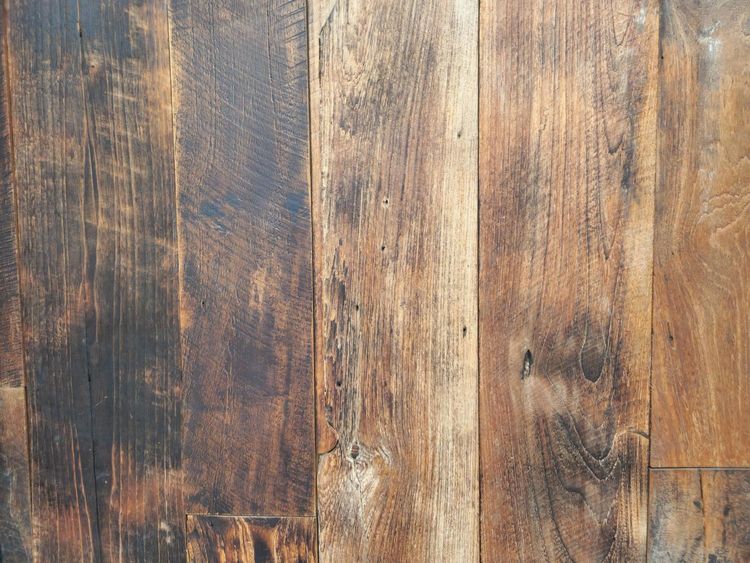
Old nail holes, surface marks and worn edges on reclaimed boards can actually help the repair look consistent with the rest of the historic floor.

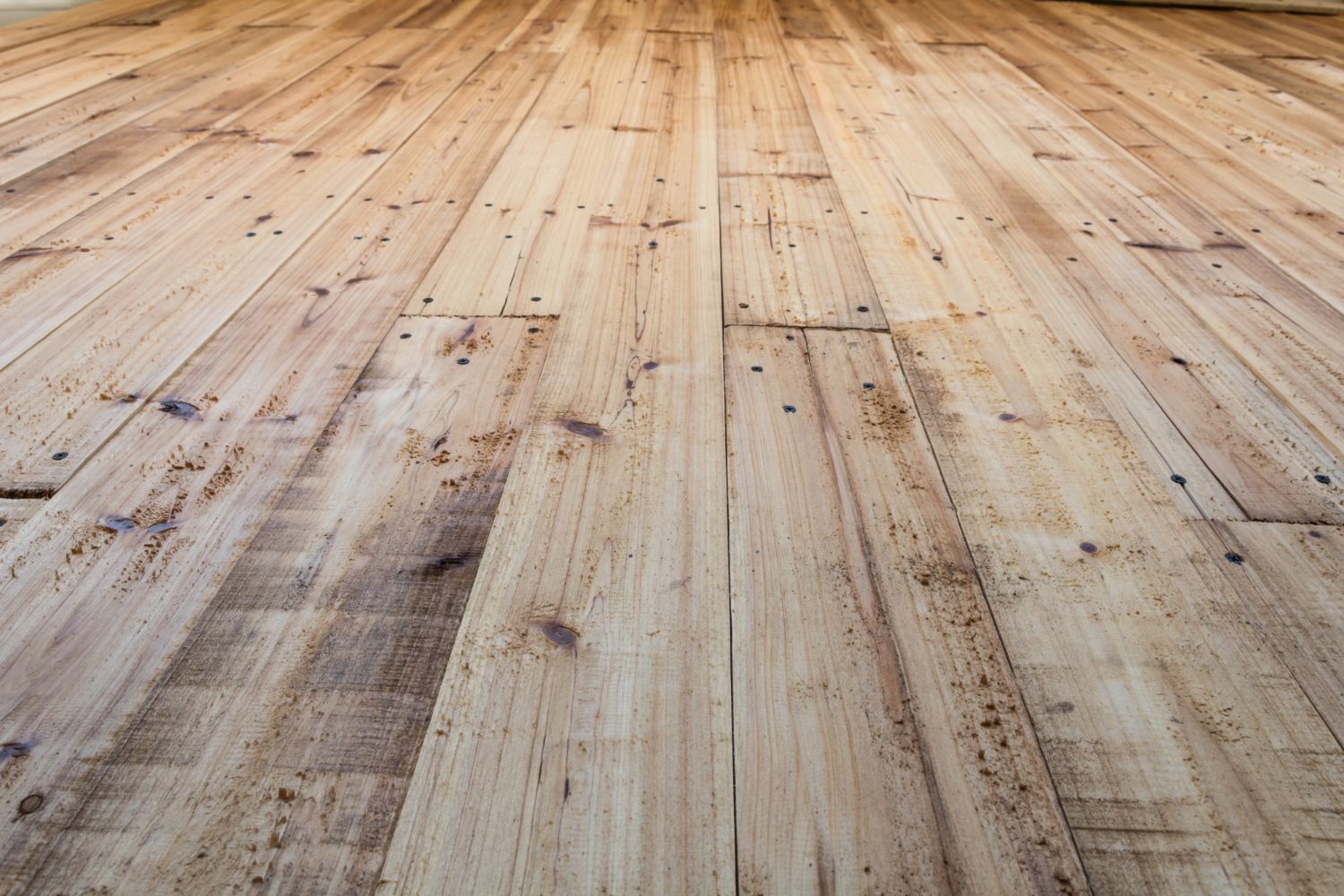
When boards need to be replaced, matching reclaimed timber is the best way to preserve the floor’s character, and pine flooring is usually the correct species in Horsforth’s stone terraces. Width and thickness should be as close as possible, as should the grain pattern and age of the timber. Colour can vary, but reclaimed boards that have aged similarly will blend better than new timber. Previous wear—such as old nail holes or surface marks—can actually help the repair look consistent with the rest of the floor. For Victorian pine flooring, specialist suppliers and restoration services can often source suitable reclaimed boards.
Gaps are a normal feature of older floors, and not every gap should be filled. Small, even gaps can be left as part of the floor’s character. Larger gaps that trap dirt or allow draughts may need attention. Sawdust and resin mixes can be used for fine gaps, but they may crack with movement. Timber slivers glued into gaps are more durable and look more natural. Flexible fillers can accommodate some movement but may not match the timber’s appearance. In some cases, the best approach is to leave gaps open and address draughts through underfloor insulation or other measures. A professional assessment should advise on which gaps to fill and which to leave.
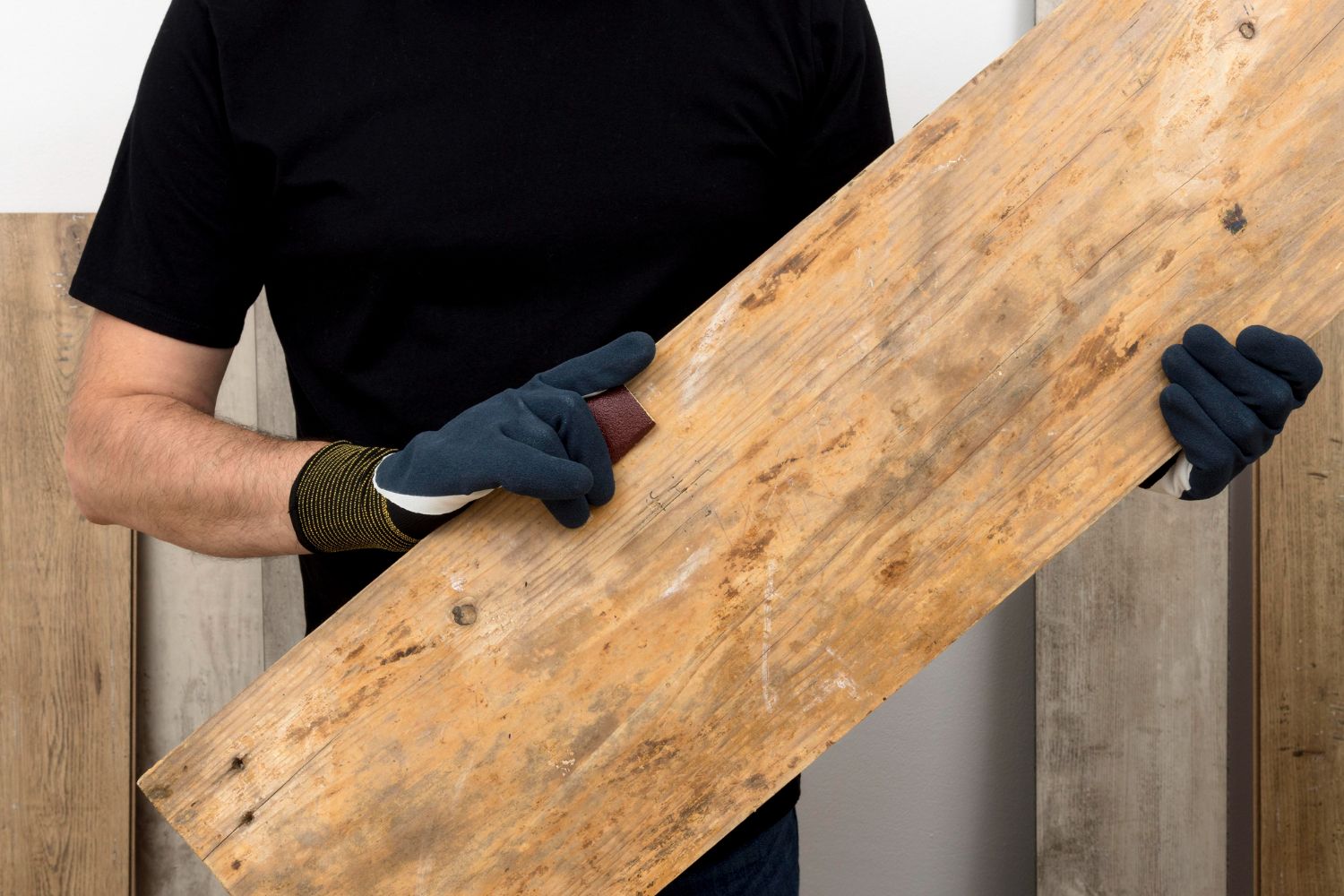
Restoration is not about making an old floor look new. It is about removing the worn finish, leveling the surface where necessary, and applying a protective coating that preserves the timber’s natural colour variations and historic marks. A 120-year-old floor will have irregularities—small dents, colour variation, and marks that tell its story. These should be retained where they do not affect function. Aggressive sanding can remove too much timber and erase the floor’s character. A professional floor sanding in Leeds will use appropriate grits and techniques to clean the surface without flattening its history.
The finish protects the floor and determines its appearance. Clear lacquer gives a relatively uniform look and is hard-wearing. Matt lacquer reduces shine and can look more natural on old timber. Hard wax oil penetrates the wood and leaves a natural finish that is repairable in sections. Oil finishes are similar but require more regular maintenance. A stain plus protective coating can even out colour differences, but it may obscure the timber’s natural variation. The right choice depends on the floor’s condition, the owner’s preferences, and the level of traffic the floor will receive.
| Finish | Appearance | Durability | Maintenance | Best for |
|---|---|---|---|---|
| Clear lacquer | Uniform, slightly glossy | High | Damp cleaning, occasional recoat | Busy family homes |
| Matt lacquer | Natural, low sheen | High | Damp cleaning, occasional recoat | Period properties where a subtle look is desired |
| Hard wax oil | Natural, penetrated look | Good | Regular cleaning, occasional refresher oil | Floors where repairability matters |
| Oil | Natural, matte | Moderate | Regular oiling | Lower-traffic areas or owners committed to maintenance |
| Stain + protective coating | Even colour | Varies by topcoat | Depends on topcoat | Floors with significant colour variation |

Replacement is the right choice only when restoration is not viable. Major decay, structural instability, inadequate remaining thickness, excessive previous modifications, or irreversible contamination can all make replacement necessary. Even then, matching reclaimed boards can preserve the floor’s appearance. For wood floor repairs, the wood-floor-repairs-leeds service can advise whether individual boards can be replaced or whether a larger section needs to be renewed.
Restoring original wooden floors in Horsforth stone terraces is often the most sensible way to preserve both the character and the value of a period property. The process begins with a proper assessment—checking timber thickness, structural soundness, moisture, rot and previous repairs—before any sanding takes place. Common problems such as gaps, squeaks, split boards and staining can usually be addressed through careful repair, matching reclaimed timber and appropriate gap filling. Sanding should clean and level the surface without erasing the natural colour variation and historic marks that give an old floor its identity. The right finish, whether a clear or matt lacquer, hard wax oil or a traditional oil, will protect the timber while keeping its period appearance intact. For owners still weighing up different flooring options, Best Wooden Flooring Solutions for Horsforth Family Homes offers a useful comparison of alternatives before committing to restoration.
Replacement should be a last resort, reserved for boards that are decayed, structurally unstable, too thin to sand or contaminated beyond repair. Even then, matching reclaimed boards can preserve the floor’s appearance and help the repair blend in. For owners in Horsforth, the decision between restoration and replacement should be based on a professional inspection rather than assumption. When the original boards are sound, restoration offers a durable, cost-effective and character-preserving alternative to a new floor—one that respects the history of the building while meeting the practical demands of modern family life.