What Should a Family Floor Be Able to Handle?
A family home is not a showroom. Floors in Horsforth's Victorian terraces, modern detached houses, and everything in between face a daily assault that would leave lesser materials battered and worn. From the moment children wake until the house settles at night, the floor is walked on, played on, spilled on, and cleaned repeatedly. Pets add their own challenges—claws that scratch, paws that track in mud, and the occasional accident. Add in the movement of furniture, the scrape of chairs, and the constant foot traffic through hallways and kitchens, and it becomes clear that not every wooden floor is up to the task. A truly family-friendly wooden floor must withstand:
- Children running, playing, and occasionally dropping things
- Pets with claws that scratch and paws that track in mud
- Spills from drinks, food, and the inevitable accidents
- Chairs, toys, and furniture being dragged across the surface
- High foot traffic, especially in hallways and kitchens
- Frequent cleaning to keep the home hygienic
- Temperature and humidity changes, particularly in older properties
- Possible underfloor heating, increasingly common in modern extensions
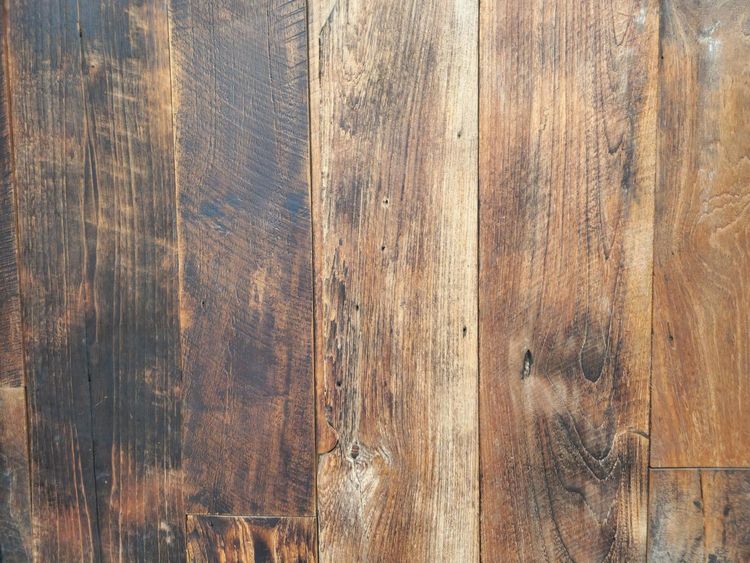
Not every wooden floor can handle all of these demands. The right choice depends on your home's specific needs and your family's lifestyle. A floor that works beautifully in a quiet adult household may show wear within months in a busy family home. Conversely, a floor chosen with family life in mind—one that balances durability with warmth and character—can withstand the chaos and still look beautiful for decades. Whether you are considering a new wood floor installation in Leeds or restoring existing boards, understanding how each option performs in a family setting is essential to making a choice that will serve your home well for years to come.
Comparing Wooden Flooring Options
| Flooring Type |
Durability |
Scratch Resistance |
Moisture Resistance |
Refinishing Potential |
Best For |
| Restored original boards |
Moderate |
Low |
Low |
High (if thickness allows) |
Period homes with good original floors |
| Solid wood |
High |
Moderate |
Low |
High (multiple sandings) |
Living rooms, bedrooms |
| Engineered wood |
Very high |
Moderate to high |
Moderate |
Limited (depends on wear layer) |
Kitchens, hallways, underfloor heating |
| Parquet |
High |
Moderate |
Low to moderate |
High |
Hallways, dining rooms, character homes |
| Laminate (wood-effect) |
Moderate to high |
High |
High |
None |
Budget-conscious, high-traffic areas |
Note: Laminate is not a wooden floor—it is a wood-effect product. While it offers excellent scratch resistance and affordability, it cannot be sanded or refinished and lacks the warmth and authenticity of real timber.
Solid Wood Versus Engineered Wood
This is the most common dilemma for homeowners. Both have their place, but they serve different purposes.
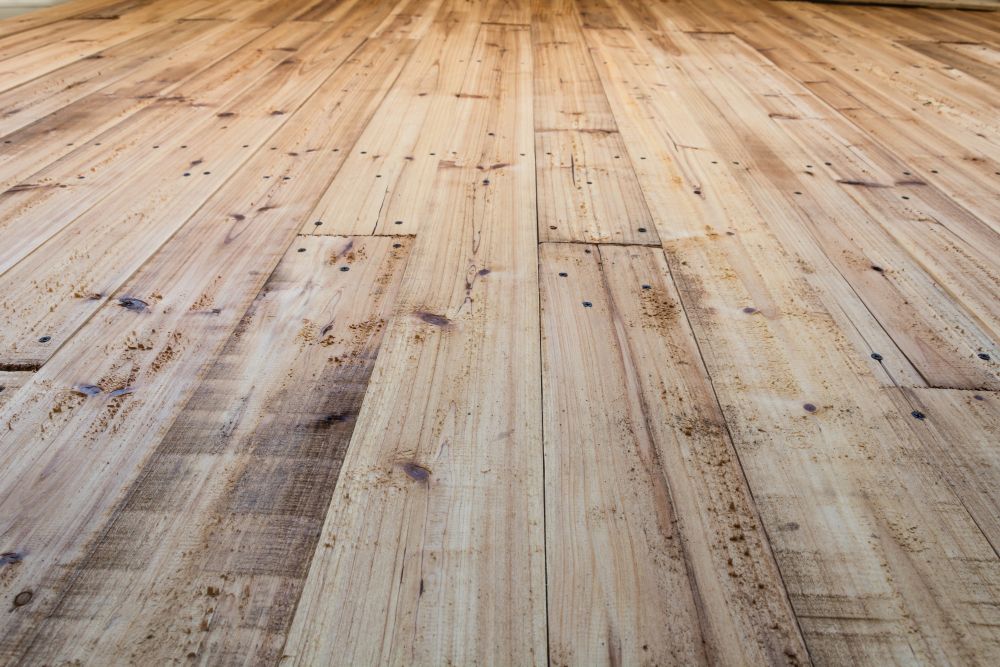
Solid wood flooring is exactly what it sounds like—a single piece of timber from top to bottom. In Leeds, solid oak flooring typically costs between £70 and £160 per square metre depending on grade, thickness, and width. Its main advantages are longevity and refinishing potential. A solid wood floor can be sanded multiple times over its lifetime, making it a true heirloom. However, solid wood is sensitive to moisture and humidity changes, which can cause gaps or cupping in older properties. It is also less compatible with underfloor heating.
Engineered wood consists of a real hardwood veneer bonded to a stable plywood or HDF core. Prices typically range from £35 to £150 per square metre. Engineered flooring offers superior dimensional stability, making it less prone to warping with temperature and humidity changes. This makes it ideal for kitchens, hallways, and installations over underfloor heating. The key consideration is the wear layer thickness. A veneer of 3mm to 6mm allows for one or two light sandings in the future. Thinner veneers may not be sandable at all.
For a busy family home in Horsforth, engineered wood often makes more sense. It provides the authentic look and feel of real wood with greater stability and moisture resistance. Solid wood remains a excellent choice for living rooms and bedrooms where conditions are more stable.
Is Parquet Practical for a Family Home?
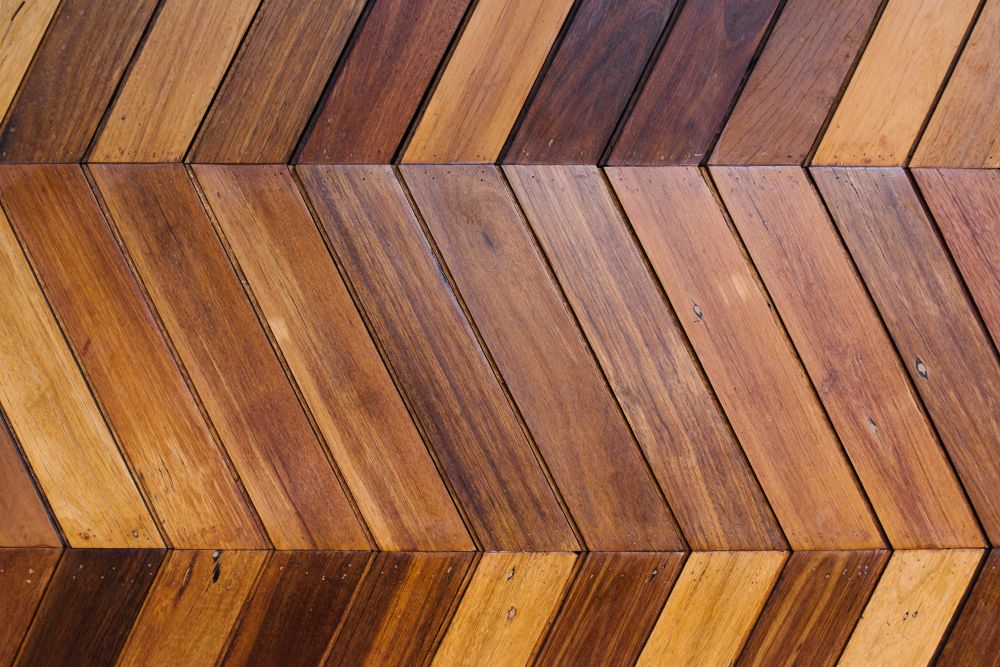
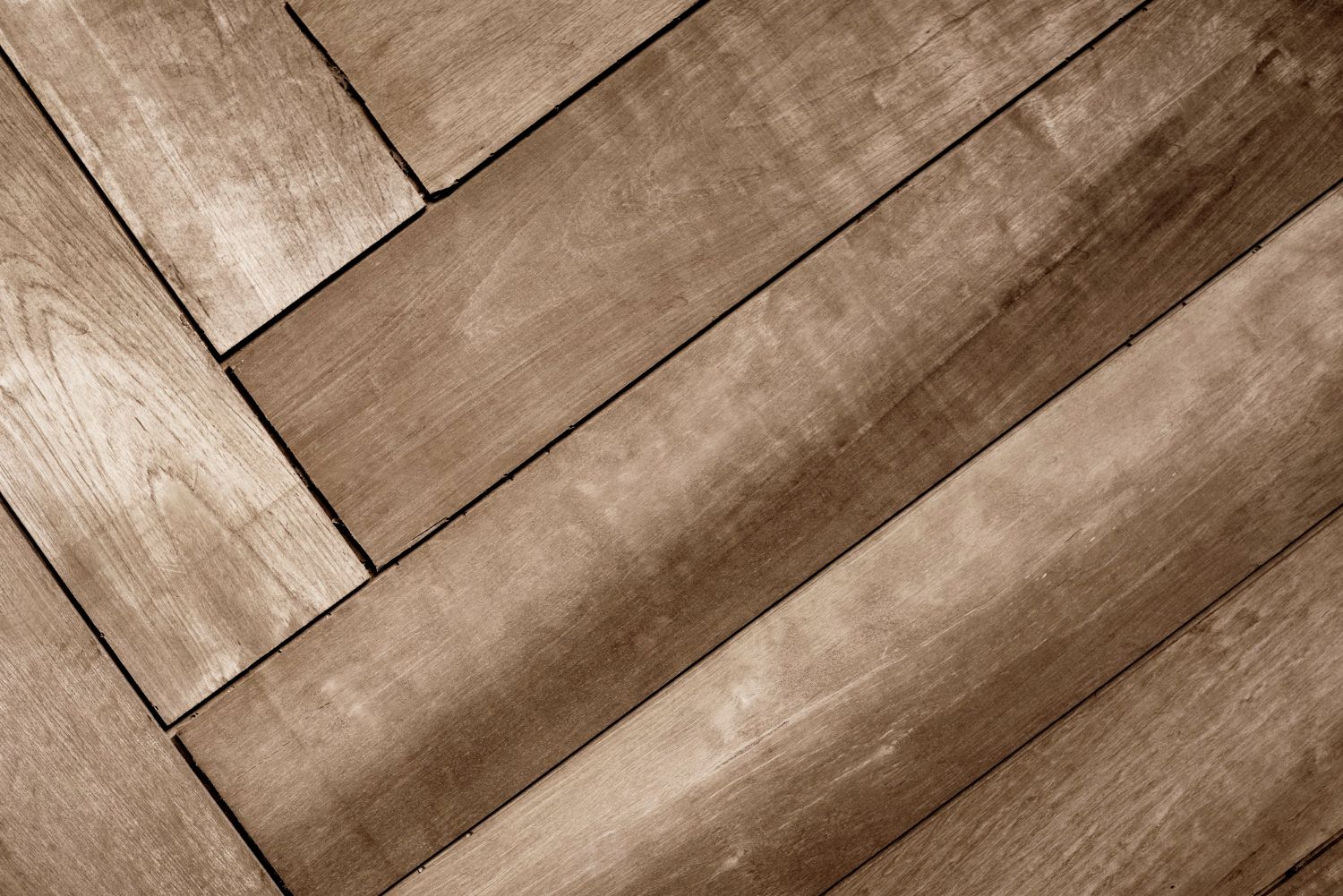
Parquet flooring—whether herringbone, chevron, or block patterns—adds undeniable character and elegance. In Horsforth's period properties, parquet is often a original feature worth preserving. But is it practical for a family?
The answer is yes, but with conditions. Quality parquet, properly installed and finished, can be remarkably durable. Solid oak parquet blocks can be sanded multiple times, making them a long-term investment. Herringbone parquet typically costs between £30 and £90 per square metre depending on block size and finish.
However, parquet requires correct installation and an appropriate finish. Loose blocks must be re-adhered before sanding. Gaps between blocks may need filling. And the patterned layout demands specialist diagonal sanding techniques during refinishing.
For families, parquet works best in hallways, dining rooms, and formal living spaces where traffic is moderate and spills are less frequent. In kitchens or high-traffic playrooms, engineered wood or a well-protected solid floor may be more practical.