Floor Sanding for Student Rental Properties in Headingley
Thu, November 19, 2026

A practical guide to sanding and protecting wooden floors in Headingley student rentals—repairs, durable finishes, and tenancy turnaround planning.

Student rental properties in Headingley put wooden floors under a level of daily stress that few domestic homes experience. With multiple occupants, frequent move-ins and move-outs, and heavy furniture shifting between academic years, a floor that looked acceptable at the start of a tenancy can be tired by the end of it. For landlords, letting agents and HMO owners, the challenge is not simply to sand and finish a floor—it is to choose a strategy that balances durability, cost and turnaround time. This guide sets out how to assess wear, decide between maintenance and full sanding, specify a suitable finish, and plan the work around tenancy cycles so that the floor performs year after year.
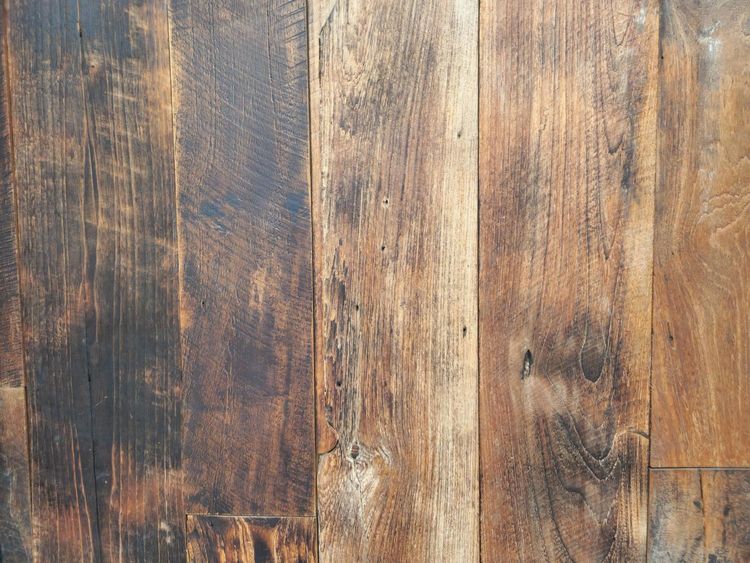
The wear pattern in a student rental is shaped by the character of the occupation rather than by any particular group of tenants. A typical HMO may have three to six people living in a property, each using the same entrance route, stairs and communal areas several times a day. That adds up to intensive daily foot traffic, often with outdoor shoes worn indoors during moving season. Furniture is rearranged frequently, and desk chairs in study bedrooms are rolled back and forth across the boards for hours at a time. Spills in kitchens and communal areas are common, and they are not always wiped up immediately. The tenancy cycle itself adds pressure: each changeover brings luggage, boxes and furniture dragged across the floor, and there may be periods when the property is empty and the heating is off, affecting moisture levels. Care between tenancies is often irregular, and small scratches or stains that would be addressed in an owner-occupied home may go unnoticed until they become more serious. The result is not a floor that is abused, but one that is used intensively and maintained reactively—which is exactly why a planned sanding and finishing strategy matters. Professional floor sanding in Leeds can restore the surface and apply a finish suited to this level of wear, turning reactive maintenance into a predictable part of managing the property.
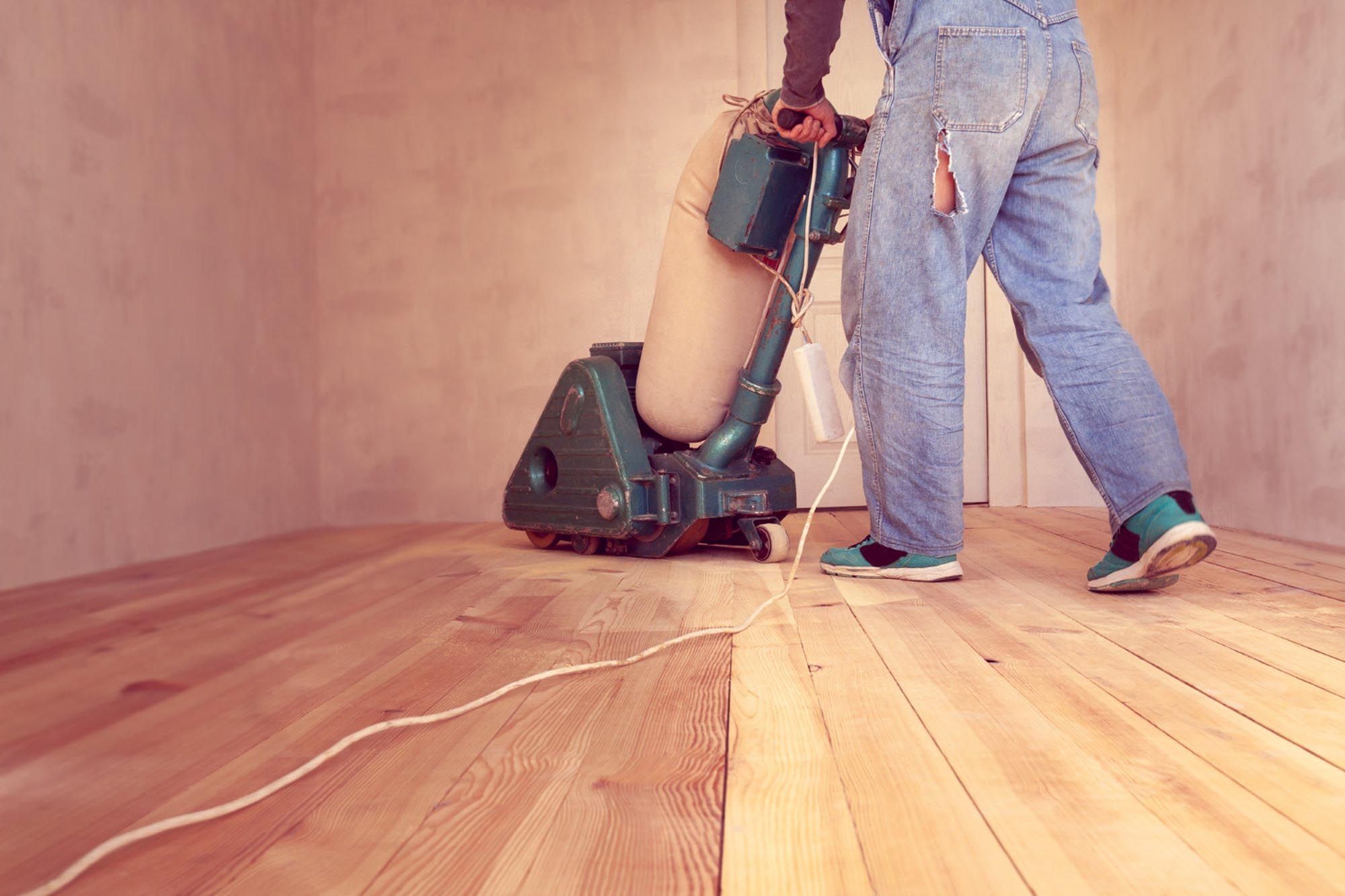
Before booking a full sand, it is worth establishing what the floor actually needs. A full sand removes the top layer of timber and is the right choice when the finish is worn through, when there are deep scratches or stains, or when the boards have cupped or become uneven. Maintenance—cleaning, spot repairs, and applying a refresher coat—is more appropriate when the finish is largely intact and the damage is superficial. The table below sets out the practical distinctions.
| Condition | Likely Action | Why |
|---|---|---|
| Finish worn through in entrance routes | Full sand and re-finish | Exposed timber will stain and absorb moisture quickly |
| Light surface scratches only | Maintenance or a maintenance coat | The finish is still protecting the boards |
| Deep gouges, dents or chair marks | Local repair plus sanding of affected area or full floor | Damaged fibres cannot be fixed with a coat alone |
| Stains that have penetrated the timber | Sanding to remove the stained layer | Surface cleaning will not lift them |
| Squeaks or loose boards | Repair before any sanding | Sanding over movement can worsen the problem |
| Cupped or uneven boards | Sanding after moisture check | Sanding can flatten minor cupping, but the cause must be addressed |
| Gaps between boards | Assess and fill as part of the sanding process | Filling before sanding gives a better result |
A professional inspection should confirm the moisture content of the timber and the condition of the subfloor before any decision is made. Sanding a floor that is still damp or has a persistent leak will only lead to problems later.
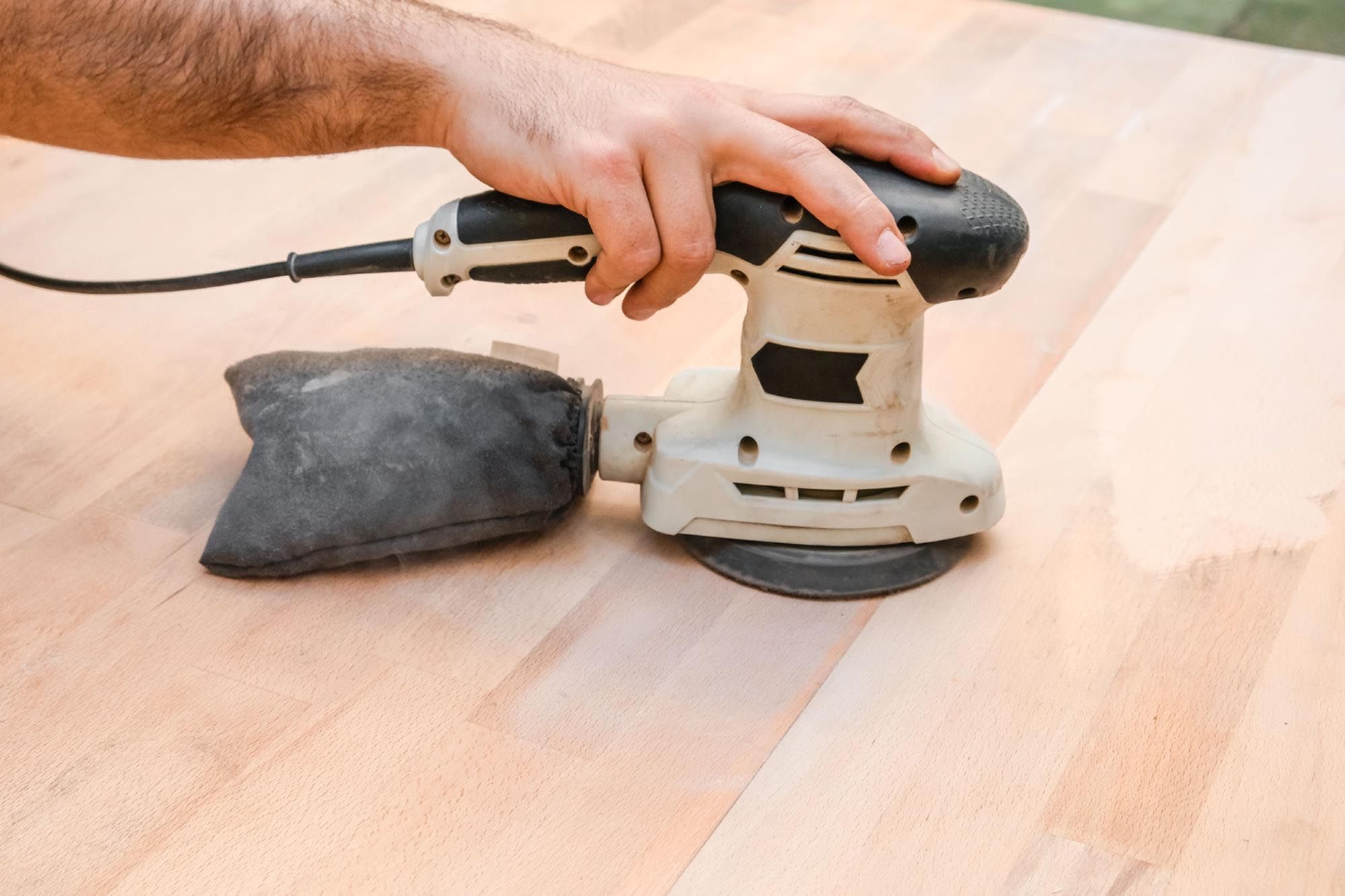
Headingley has a large stock of older terraced and semi-detached properties, many with original pine floorboards. In a rental context, certain problems recur:
A thorough inspection of the whole floor, including boards, joists, subfloor and any previous repairs.
Using a meter to confirm the timber is dry enough to sand and finish.
Refixing or tightening fixings so that the floor is stable.
Replacing boards that are split, rotten or beyond repair.
So that nails or screws do not tear the sanding paper or damage the machine.
Using an appropriate filler, while accepting that some movement is normal in older floors.
Sanding in stages, working through the grits to remove the old finish and level the surface.
Applying the chosen product and allowing the correct curing time before the floor is used.
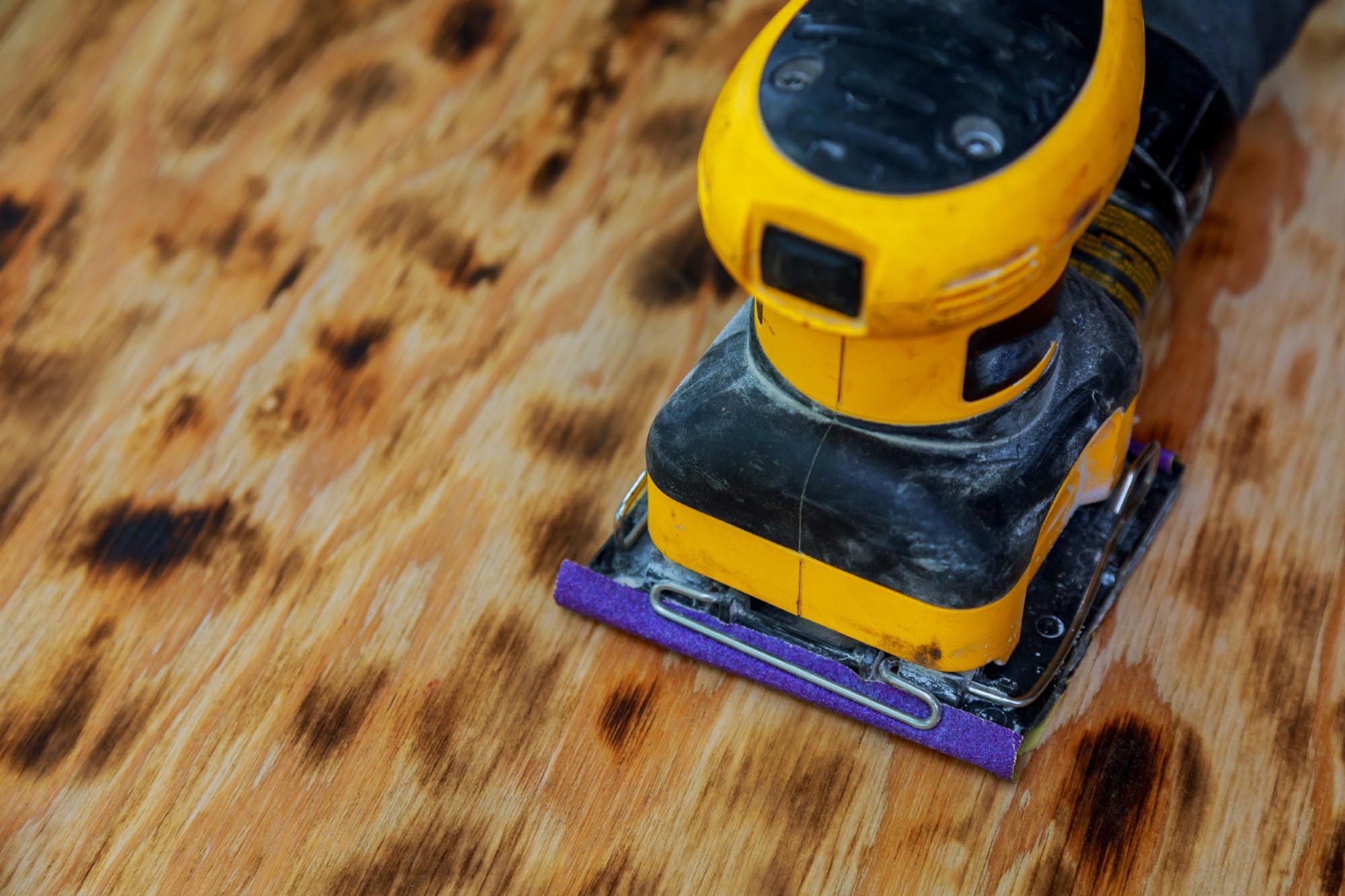
In any wood floor restoration project, the finish is the layer that takes the daily wear, so it deserves careful thought. For a student rental, the priorities are durability, ease of maintenance and a reasonable recoat cycle. The main options are hardwax oil, lacquer and a traditional polyurethane varnish. Hardwax oil penetrates the timber and leaves a natural look; it is repairable in sections but requires more regular maintenance. Lacquer forms a film on the surface and is hard-wearing, but deep scratches can be difficult to repair locally. Polyurethane varnish is also a film finish and is available in water-based and solvent-based versions; water-based products dry faster and have lower odour, which matters when a tenancy turnaround is tight. None of these finishes is scratch-proof, and any supplier claiming otherwise should be treated with caution. The table below compares the practical characteristics.
| Finish | Durability | Maintenance | Recoat / Repair | Best for |
|---|---|---|---|---|
| Hardwax oil | Good, but wears in high-traffic areas | Regular cleaning and occasional refresher oil | Local repair possible; recoat whole area for evenness | Floors where a natural look and repairability matter |
| Water-based lacquer | High | Damp cleaning; avoid standing water | Recoat after light abrading; local repair limited | Fast turnarounds and low-odour requirements |
| Solvent-based lacquer | Very high | Damp cleaning; avoid harsh chemicals | Recoat after abrading; strong odour and longer cure | High-traffic communal areas where durability is the priority |
| Polyurethane varnish | High | Damp cleaning; avoid abrasive cleaners | Recoat after abrading; local repair difficult | Landlords wanting a familiar, hard-wearing finish |
For most student rentals, a water-based lacquer or a high-quality polyurethane offers a good balance of durability and turnaround speed. Hardwax oil is a strong choice where the landlord is prepared to commit to a maintenance regime.
Timing is as important as the finish. The best windows are before the first letting, during the summer vacancy, between academic years, or after major tenancy damage has been identified. It is also sensible to schedule sanding before decorating, so that dust and finish odours do not affect fresh paintwork, and after messy construction or repair works that may have marked the floor. Curing time depends on the specific product: water-based lacquers may be walkable within hours and ready for furniture after a day, while solvent-based products and oils can take several days to fully cure. Always check the manufacturer’s data sheet and allow a buffer before the next tenancy begins.
Not every floor is worth sanding. Original pine floorboards can usually be restored if they are sound and have enough thickness; sanding removes only a small amount each time, but boards that have been sanded repeatedly may become too thin. Hardwood floors are more durable and often worth restoring. Parquet can be sanded, but the process is more specialised and the cost reflects that. Engineered flooring has a limited wear layer, and some products cannot be sanded at all or only very lightly. Laminate is not a timber floor and cannot be sanded; if it is damaged, replacement is the only option. In a rental context, the decision should weigh the remaining life of the floor against the cost of replacement and the disruption to the tenancy schedule.
Protective floor sealing is part of a good sand and finish investment, and simple measures can extend its life. Entrance mats reduce grit and moisture tracking. Furniture pads under legs and felt glides on chair feet prevent gouges and scratches. Chair protection—such as a hard floor mat under desk chairs—is particularly useful in study bedrooms. Provide tenants with clear cleaning instructions, including which products to avoid. Fix leaks promptly, as water damage is far more costly than a reseal. Finally, take condition photographs at check-in and checkout so that damage can be identified fairly and repairs planned before they worsen.
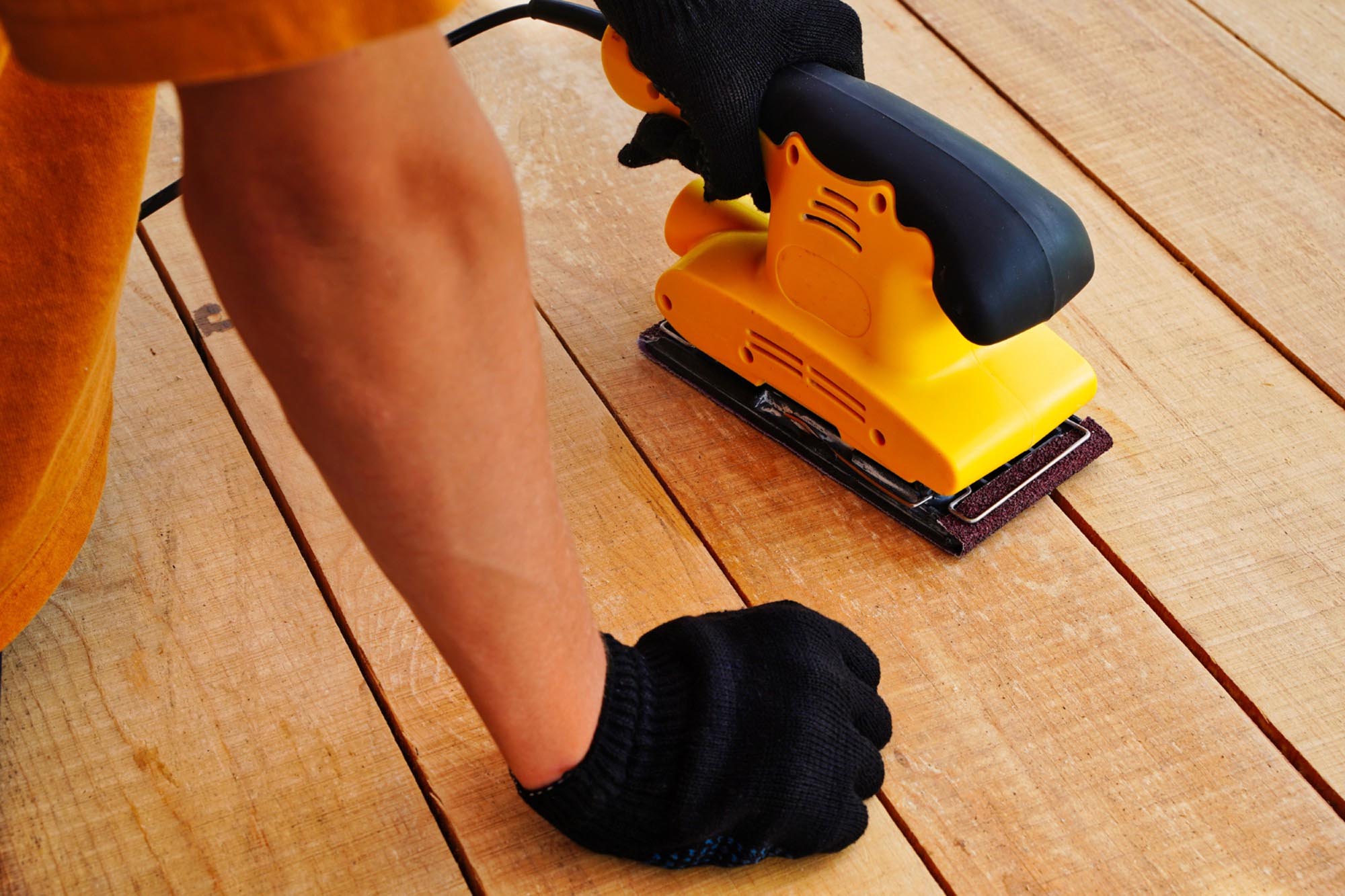
For landlords and letting agents in Headingley, floor sanding is rarely just a cosmetic decision—it is a practical investment in the durability and lettability of a student property. The right approach starts with an honest assessment of wear, follows a proper repair sequence before any sanding begins, and specifies a finish that matches the intensity of rental use. Timing the work around tenancy cycles, rather than reacting to problems mid-term, keeps disruption low and helps protect the floor between changeovers.
A well-maintained wooden floor can serve a student rental for many years, provided it is treated as part of the property’s long-term maintenance plan rather than a one-off fix. Simple measures—entrance mats, furniture pads, clear cleaning guidance, and prompt attention to leaks—extend the life of any finish. When the floor does need attention, restoring rather than replacing is often the more cost-effective route, but only if the boards are sound and the work is done in the right order. With the right strategy, sanding and finishing become a predictable part of managing a rental property, not an emergency.
Request an assessment of your Headingley rental floor before the next tenancy and determine whether it needs repair, sanding or simply a new protective finish. Restoring original wooden floors in Headingley Victorian terraces is often preferable to replacement, especially where original pine boards remain beneath worn finishes. An assessment can confirm whether the timber is thick enough to sand, whether repairs are needed first, and which finish will best withstand rental use—protecting the property’s character while keeping turnaround times and budgets under control.