Our blog

Restoring Wooden Floors in Hyde Park and Woodhouse Rental Properties

A landlord's guide to restoring wooden floors in Hyde Park and Woodhouse rentals. Compare finishes, plan maintenance, and balance cost with durability for HMOs.

Hyde Park and Woodhouse are among Leeds' most established student and rental neighbourhoods. With their distinctive Victorian and Edwardian terraced housing stock, these areas are home to a significant proportion of the city's private rented sector, including numerous HMOs. For landlords, letting agents, and property managers, maintaining wooden floors in rental properties presents a unique set of challenges. Tenants come and go. Wear accumulates. Damage happens. The question is not whether floors will need attention, but how to manage that attention cost-effectively and strategically. This guide explores how to restore wooden floors in Hyde Park and Woodhouse rental properties, focusing on practical, durable solutions that balance upfront cost, lifespan, and maintenance requirements.

Why Restore a Wooden Floor in a Rental Property?

Wooden floors are a practical choice for rental properties. Unlike carpets, which trap dirt, absorb spills, and require frequent replacement, wooden floors offer durability and easier maintenance. However, the decision to restore rather than replace is about more than just aesthetics. Restoration allows for localised repairs, meaning you can address damage without replacing the entire floor. It removes the need to constantly replace carpet between tenancies—a significant cost saving over time. Damage is easier to spot and control, making it simpler to identify tenant-related issues during inspections. Well-maintained wooden floors also enhance the property's appeal, attracting quality tenants who appreciate a well-cared-for home. And because wooden floors can be refinished multiple times, they offer long-term value that other flooring types simply cannot match. While restoration may not automatically increase rental value, it contributes to a well-presented property that commands attention in a competitive market.

Common Damage in Rental Properties
12422.jpg

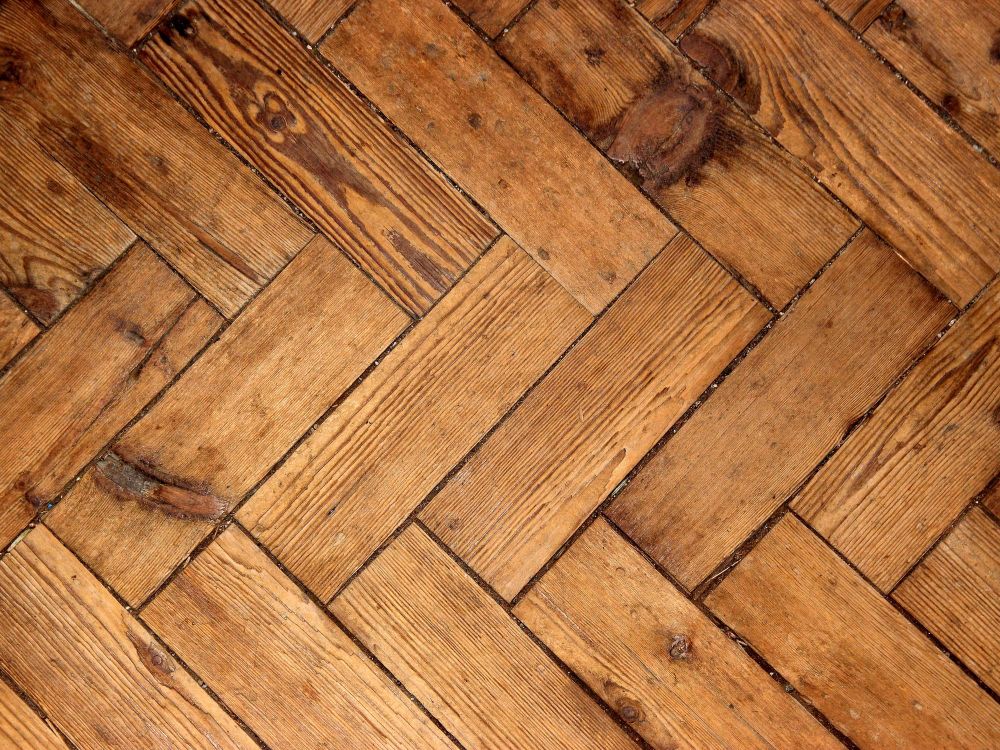
Rental properties see higher foot traffic than owner-occupied homes. Multiple tenants, furniture moves, and differing levels of care all leave their mark. Understanding the most common types of damage helps landlords plan maintenance effectively:

  • Chair and furniture scratches – from daily use and moving furniture
  • Water marks – from spills, wet shoes, or cleaning accidents
  • Worn traffic routes – visible wear patterns along hallways and common pathways
  • Broken boards – from impact or general wear
  • Loose parquet – blocks lifting or rocking due to adhesive failure
  • Staining near kitchens – grease, food, and liquid spills
  • Gaps and draughts – seasonal movement and shrinkage
  • Damage from carpet grippers – holes and marks from previous installations
  • Incompatible cleaning products – harsh chemicals damaging the finish

Each issue can be addressed through restoration, though the approach varies based on severity and location. Regular inspections help catch problems early, preventing minor damage from becoming major repairs.

Choosing a Finish for Rental Use

The finish you choose for a rental property floor is arguably the most important decision you will make. It affects durability, maintenance, cleaning ease, and the floor's appearance throughout its life. For landlords balancing multiple properties, the right finish can mean the difference between a floor that needs attention every few years and one that requires constant upkeep.

Finish Turnaround Curing Time Touch-Up Options Resistance to Traffic Future Maintenance Appearance
Residential lacquer Fast 1-2 days Limited Moderate Easy Natural, low sheen
High-performance lacquer Fast 1-2 days Limited Very high Easy Natural, matte
Hard wax oil Moderate 3-5 days Easy Good Periodic oiling required Natural, warm
Natural oil Moderate 3-5 days Easy Moderate Regular oiling required Very natural

For rental properties, high-performance lacquer is often the most practical choice. It offers excellent resistance to scratches, spills, and foot traffic, dries quickly, and is easy to clean between tenancies. Hard wax oil provides a more natural appearance and allows for spot repairs without refinishing the entire floor, but it requires periodic maintenance that tenants may not perform reliably. Residential lacquer is suitable for lower-traffic areas but may need more frequent refinishing. Natural oil is generally too maintenance-intensive for standard rental use.


Repair Versus Replacement

Deciding whether to repair or replace a wooden floor depends on its condition and the cost of each option. Use this decision tree as a guide.

Sufficient Thickness Remains

If the boards have enough material above the tongue and groove, sanding and refinishing is usually the most cost-effective solution. Restoration preserves the original timber and character at a fraction of the cost of replacement.

Isolated Damage

One or two damaged boards can be replaced with reclaimed timber, avoiding the cost of full restoration. This approach is ideal for localised issues such as cracked or cut boards from previous service access.

Widespread Structural or Moisture Problem

Rot, significant woodworm, or subfloor issues may require more extensive work. A professional assessment is essential to determine the full extent of the damage and the most appropriate solution.

Unsuitable Laminate

Laminate cannot be sanded or repaired effectively. If damaged, full replacement is the only option. Consider engineered wood or solid timber as a more durable and refinishable alternative.

Thin Engineered Wear Layer

Engineered wood with a very thin veneer may not be sandable. Consult a specialist to assess the wear layer thickness before proceeding with any restoration work. In some cases, only light screening and recoating may be possible.

For most rental properties, restoration is the preferred option. It preserves the original timber, maintains period character, and costs significantly less than full replacement. However, if the floor is beyond repair, replacement with engineered wood offers a stable, durable alternative.

Planning for Future Tenancies

26067.jpg

A well-maintained floor is easier to keep looking good than one that has been neglected. In a rental property, where tenants come and go and wear accumulates faster than in owner-occupied homes, proactive maintenance is not just sensible—it is essential. A small investment in prevention today can save hundreds of pounds in repairs tomorrow. Incorporating floor care into your property management routine reduces long-term costs and extends the life of your flooring, ensuring that your investment continues to perform for years to come. Consider these practical steps:

  1. Entrance mats – quality mats at every entrance trap grit and moisture before they reach the floor
  2. Felt pads – provide pads for furniture and encourage tenants to use them
  3. Tenant cleaning instructions – clear guidance on appropriate cleaning products and methods
  4. Inspection photos – document the floor's condition at the start and end of each tenancy
  5. Rapid response to leaks – address spills and leaks immediately to prevent staining and warping
  6. Compatible cleaning products – recommend products specifically designed for wooden floors
  7. Periodic maintenance – schedule inspections and minor maintenance between tenancies

These measures require minimal investment but deliver significant returns in reduced repair costs and longer intervals between full restorations. For landlords managing multiple properties, establishing a consistent maintenance routine across the portfolio ensures that no floor is neglected and that small issues are caught before they escalate into major problems. A few minutes of attention during a void period can save days of work and hundreds of pounds in unnecessary restoration costs. The key is consistency—making floor care a standard part of your property management process rather than an afterthought when damage becomes visible.

Budgeting for a Portfolio

For landlords managing multiple properties, budgeting for floor maintenance requires a strategic approach. Rather than treating each property in isolation, consider grouping work to achieve economies of scale and minimise disruption.

  • By property – schedule all necessary work in a single property during a void period
  • By room condition – address rooms with the worst wear first, prioritising high-traffic areas
  • By urgency – attend to safety issues and significant damage immediately; plan cosmetic work when convenient
  • By finish specification – standardise finishes across your portfolio to simplify maintenance and reduce product stock
  • By vacant period – coordinate work during tenant turnover to avoid lost rental income

A professional floor restoration company can help you plan and schedule work across your portfolio, ensuring consistent quality and competitive pricing.

Frequently Asked Questions

Is lacquer or oil better for a rental property?

High-performance lacquer is generally the better choice for rental properties. It offers superior durability, dries quickly, and is easy to clean between tenancies. Hard wax oil provides a more natural look but requires periodic maintenance that tenants may not perform.

Can floor sanding be completed while tenants are living there?

How often should a rental property floor be refinished?

Can only the damaged room be restored?

How long must the finish cure before tenants move in?

Is a commercial-grade lacquer suitable for residential rentals?

A well-maintained wooden floor is an asset to any rental property. It attracts quality tenants, reduces maintenance costs over time, and enhances the overall appeal of your investment. Whether you are restoring a single room or planning a portfolio-wide approach, professional assessment and strategic planning ensure you get the best value for your budget.

For a practical guide to specific work between tenancies, see our related article: How to Restore Wooden Floors Between Tenancies in Hyde Park.

Blog

Others articles