Wooden Furniture Restoration in London: What Can Be Repaired?
Fri, November 27, 2026
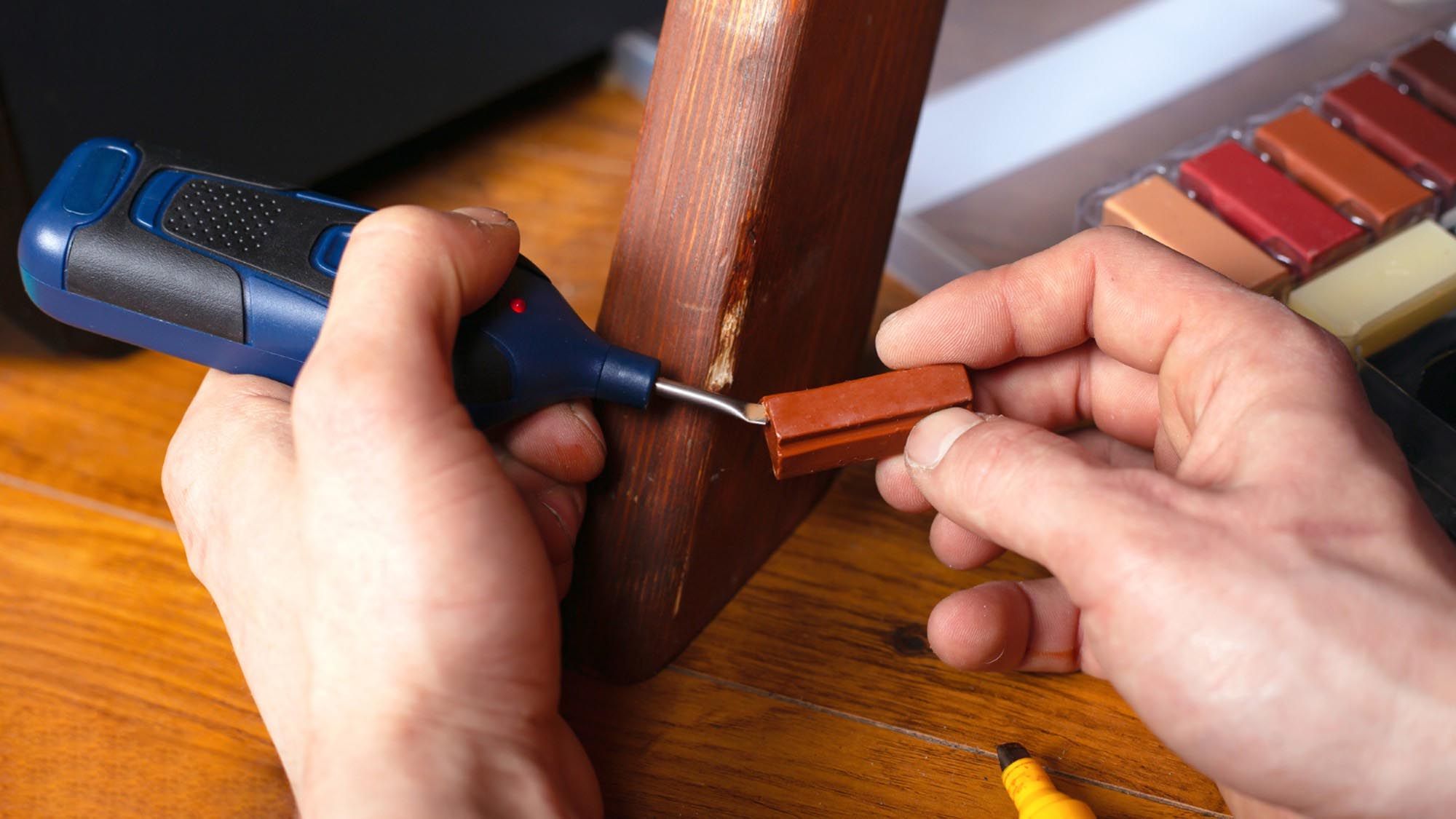
Wondering if your damaged wooden furniture can be repaired? Learn what surface, structural and veneer damage can be fixed—and when restoration is worth it.

If your wooden furniture is scratched, wobbly, water-stained or missing a piece, the first question is usually simple: can this be fixed at all? The short answer is that most wooden furniture damage is repairable—but not in the same way, and not always at a cost that makes sense. Surface marks, loose joints, damaged veneer and missing mouldings each call for a different approach. This guide explains what can typically be repaired, what affects the decision, and when restoration is not economically sensible.
Surface damage, structural problems, veneer issues and missing parts are all treatable, but they require different skills and materials. A scratch is not repaired like a broken leg, and a lifted veneer is not repaired like a water ring. A professional assessment will identify the type of damage, the material, and the best method before any work begins.
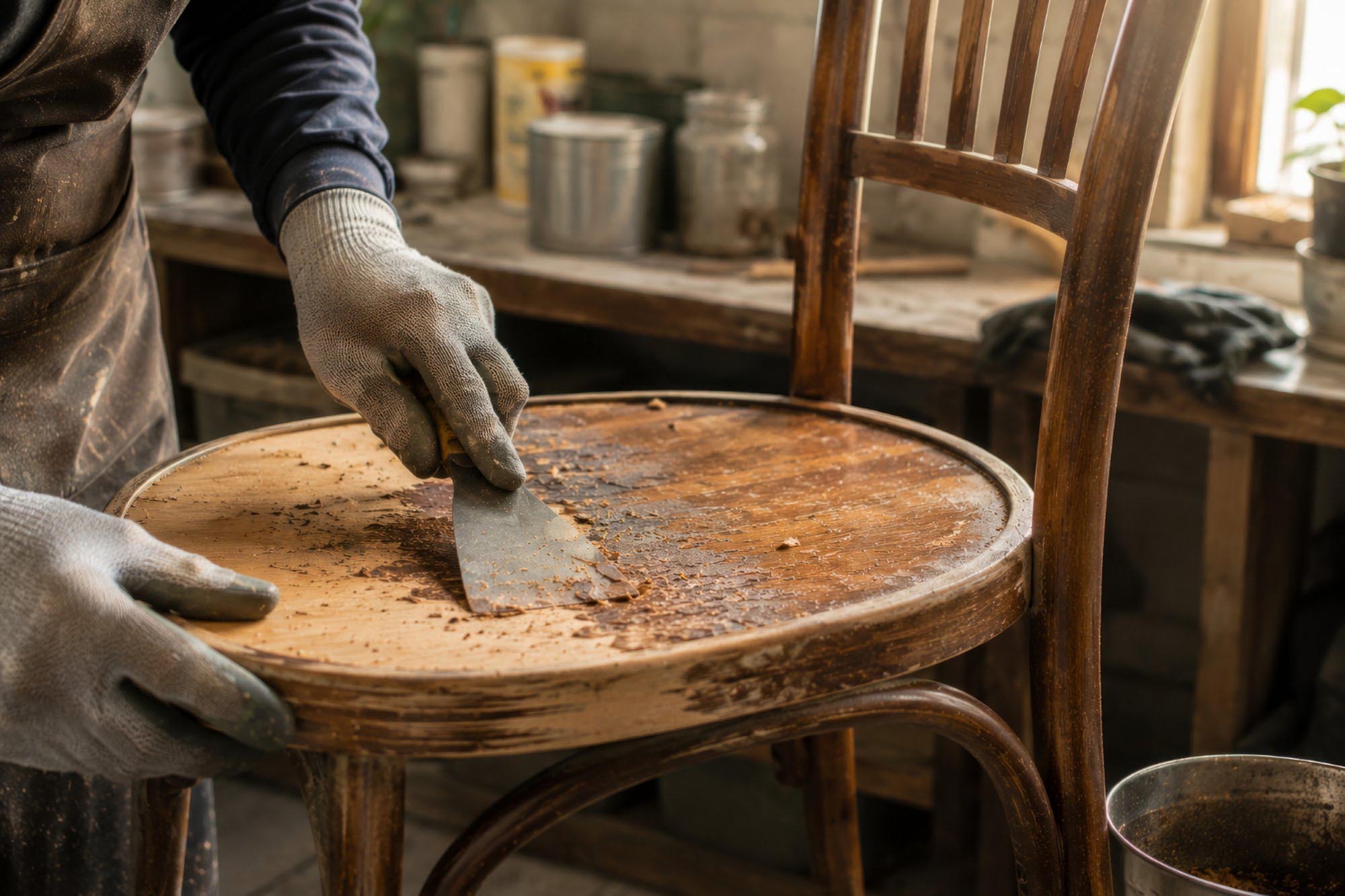
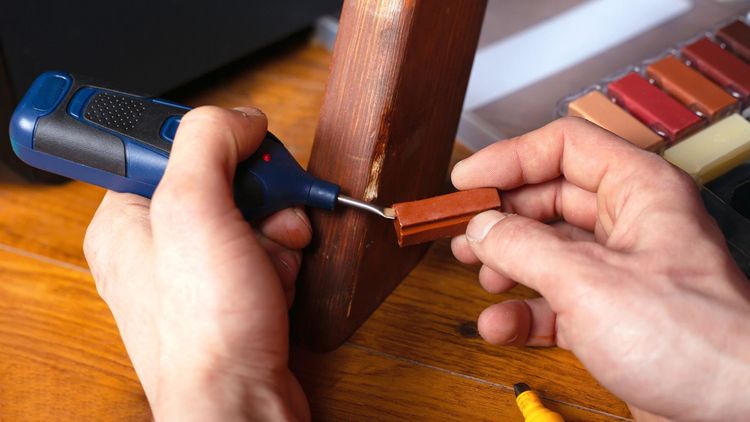
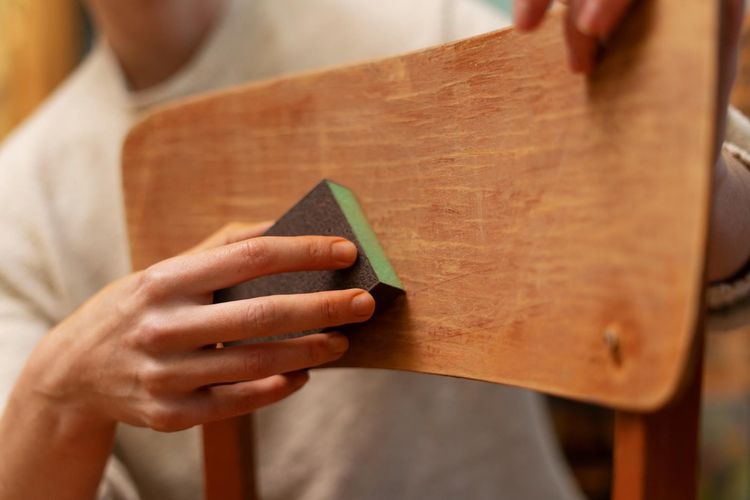
Surface problems are the most common and often the most straightforward to address. Scratches, scuffs and faded finishes can usually be improved with cleaning, localised treatment, or re-polishing. Water rings and heat marks may respond to gentle treatment, although deeper stains can be more stubborn. Stains from spills or pets may require more extensive work. The key is to avoid sanding the whole surface when a localised repair will do, as this removes patina and thins the timber.
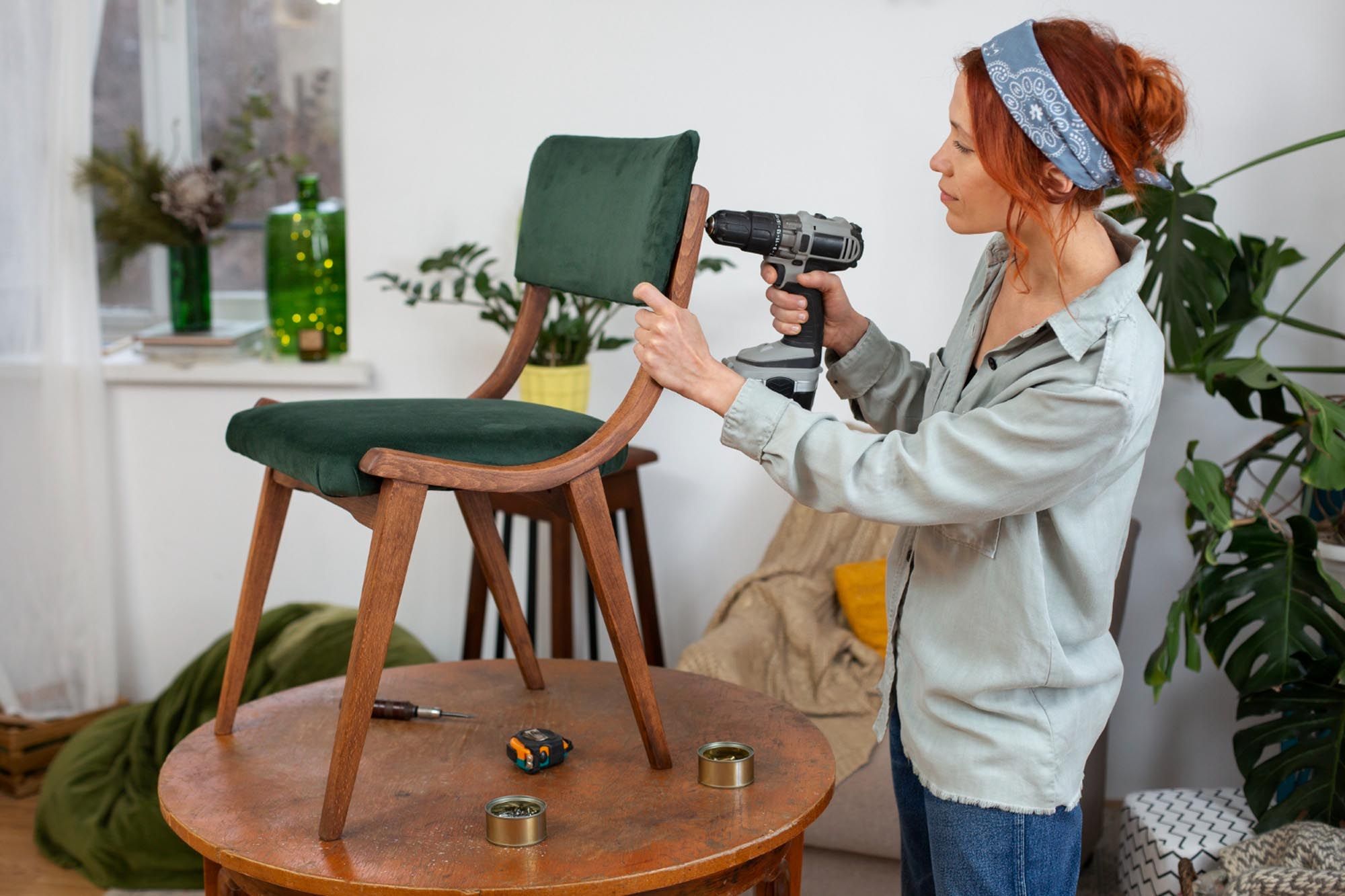
Structural problems affect the strength and safety of the piece. Loose joints can often be re-glued and clamped. Broken chair legs may be repaired with splints or replaced with matching timber if the break is severe. Cracked table tops can be stabilised and filled, although large cracks may need a more invasive repair. Unstable frames, damaged drawer runners and split timber all require assessment to determine whether repair or replacement is the better route. Safety is the priority: a chair that may collapse under weight should not be used until repaired.
Veneer is a thin layer of decorative timber applied to a solid core. It can lift, bubble, chip or go missing altogether. Lifting veneer can often be re-glued and clamped. Bubbles may be injected with adhesive and pressed flat. Missing sections can be patched with matching veneer, although colour and grain matching takes skill. Chipped edges can be repaired and toned to blend. Veneer repair is delicate work, and the outcome depends on the extent of the damage and the condition of the underlying core.
Missing mouldings, carvings, handles and trim can often be recreated or sourced. Mouldings can be matched to the original profile and timber. Carvings can be reproduced by hand, although this is skilled work and may not be economically viable for every piece. Handles and hardware can sometimes be sourced from specialist suppliers or recreated. Trim and edging can be replaced with matching material. The aim is a sympathetic repair that blends with the piece rather than an obvious modern addition.
| Damage Type | Examples | Typical Repair Approach |
|---|---|---|
| Surface | Scratches, scuffs, water rings, heat marks, stains | Cleaning, localised treatment, re-polishing |
| Structural | Loose joints, broken legs, cracked tops, unstable frames, split timber | Re-gluing, clamping, splinting, replacing sections if necessary |
| Veneer | Lifting, bubbles, missing veneer, chipped edges | Re-gluing, injecting adhesive, patching with matching veneer |
| Decorative | Missing mouldings, carvings, handles, trim | Recreating or sourcing matching parts |
Tables often suffer from scratches, water rings, heat marks and loose joints. Tops can usually be cleaned, locally treated or refinished, while frames and legs can be re-glued or repaired. Cracked tops may need stabilising and filling.
Chairs take heavy use and commonly develop loose joints, broken legs and worn seats. Most joint problems can be re-glued and clamped, and broken legs can be splinted or replaced. Safety is the priority, so repairs must be strong enough for daily use.
Cabinets frequently show veneer damage, worn finishes and sticking doors or drawers. Lifting veneer can be re-glued, missing sections patched, and runners repaired. Structural repairs must consider the core material, especially in veneered pieces.
Sideboards often have scratched tops, faded finishes and damaged veneer on doors and edges. Surfaces can be cleaned and re-polished, veneer repaired, and hardware sourced or recreated. Legs and frames may need re-gluing or stabilising.
Chests of drawers commonly suffer from broken runners, sticking drawers, loose joints and worn handles. Runners can be repaired or replaced, drawers eased, and joints re-glued. Missing or damaged hardware can often be matched or recreated.
Desks often show scratches, ink stains, water marks and worn edges from daily use. Tops can be treated or refinished, drawers repaired, and legs stabilised. Leather insets and specialist finishes may need separate assessment.
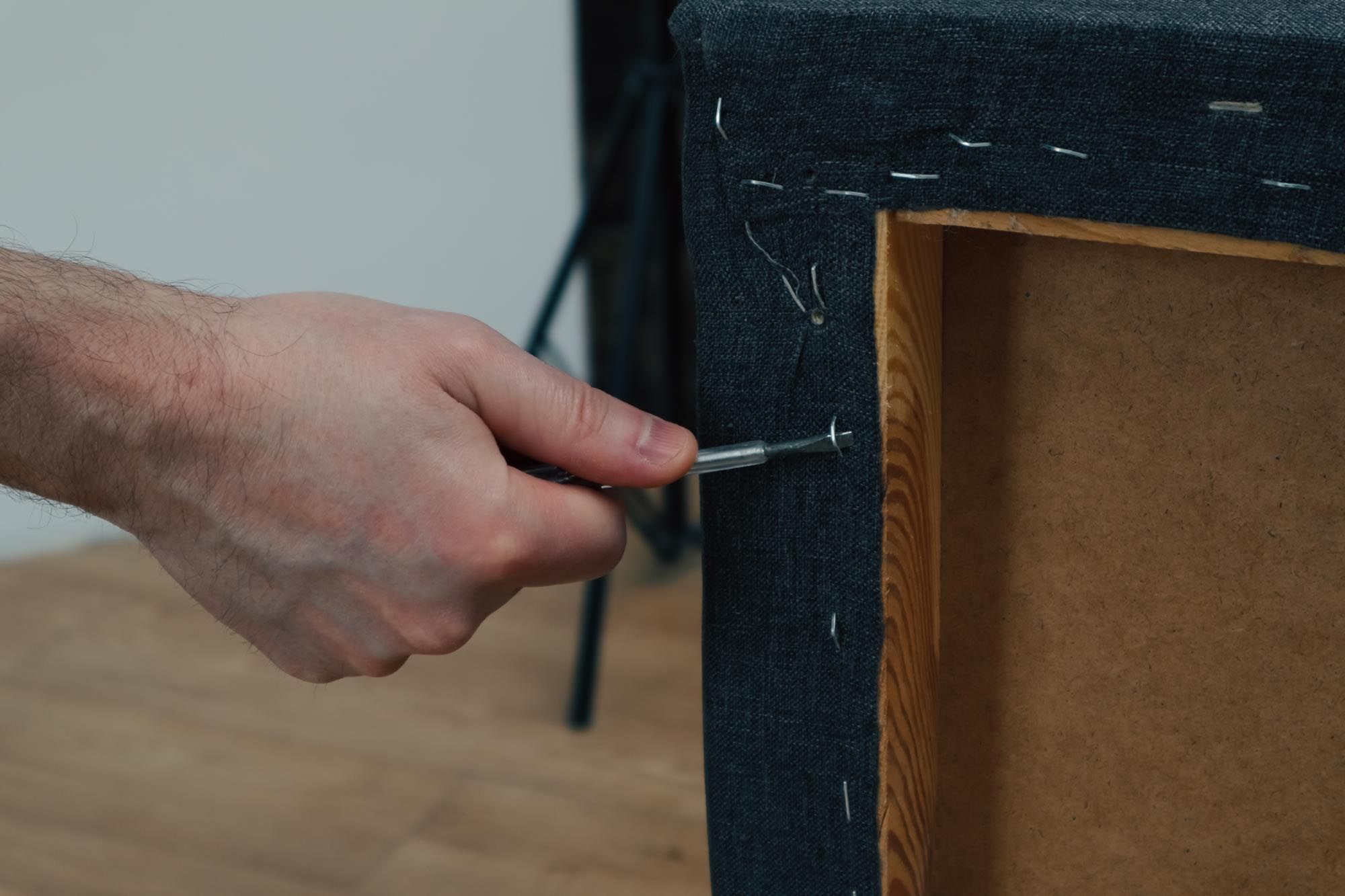
Solid wood and veneered furniture require different approaches. Solid wood can often be sanded, planed and refinished more aggressively, although care is still needed to preserve patina and shape. Veneered furniture has a thin decorative layer over a core, so sanding must be minimal and repairs must protect the veneer. Structural repairs to veneered pieces must also consider the core material, which may be plywood, blockboard or particleboard. Understanding the construction is essential before any work begins.
Full refinishing is sometimes unavoidable. Widespread finish failure—where the existing coating is flaking, cracking or peeling across the whole piece—may require stripping and refinishing. Extensive scratches that cover large areas, severe discoloration, or incompatible previous coatings that cannot be cleaned or re-polished may also call for a full refinish. Even then, the least aggressive method should be chosen, and patina should be preserved where possible. Localised conservation is often preferable to a full strip.
Restoration is not always the right choice. Mass-produced low-value furniture may cost more to restore than to replace. Severe structural failure—where the frame is beyond repair or the cost of reconstruction is high—may make replacement more sensible. Moisture-destroyed engineered panels, such as swollen particleboard, often cannot be repaired effectively. In these cases, replacement is cheaper than specialist labour. A professional assessment should give an honest view of whether restoration is worth it, rather than assuming every piece can or should be saved.
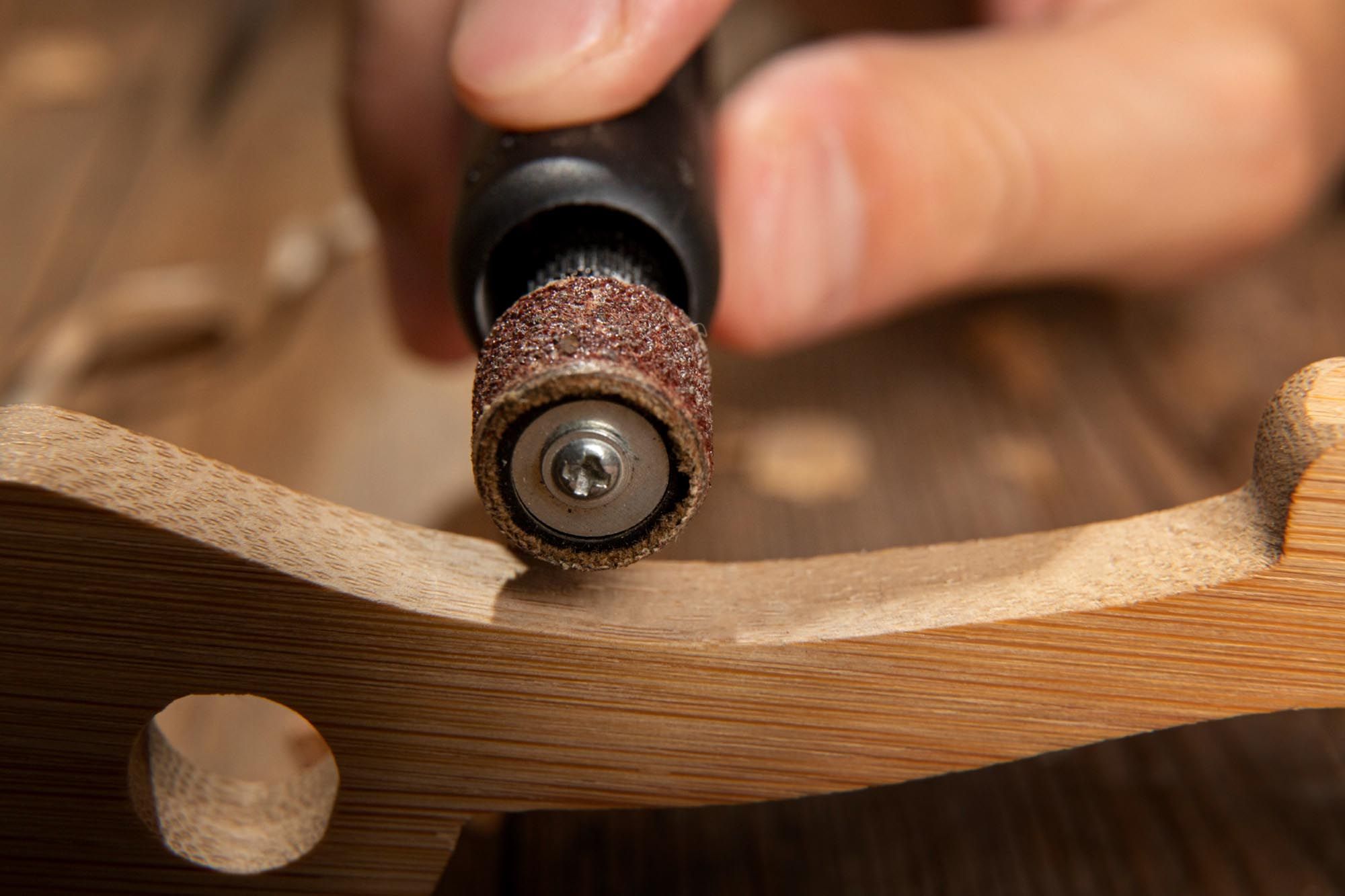
To get an accurate estimate, send clear photos of the overall piece, close-ups of the damage, the underside or back, the joints, and any maker’s labels. Include dimensions and a description of what you want to achieve. Good photos help the restorer assess the damage, identify the materials and give a realistic estimate before any work begins.
Most wooden furniture damage can be repaired, but the right approach depends on what has been damaged and what the piece is made of. Surface marks, loose joints, lifting veneer and missing mouldings are all treatable, and a skilled restorer can often preserve the original colour, patina and character. The key is to match the method to the problem: localised treatment where possible, structural repair where necessary, and refinishing only when the existing finish cannot be saved. Safety matters too, especially for chairs and anything that bears weight, so repairs must be strong as well as visually sympathetic.
Restoration is not always the right answer, however. Mass-produced furniture, severe structural failure, and moisture-destroyed engineered panels may cost more to repair than to replace, and an honest assessment should say so. For pieces with solid timber, sound construction or sentimental value, restoration can extend useful life for many years. The best starting point is a clear assessment—photos, dimensions, and a description of the damage—so the restorer can advise realistically on what can be achieved and at what cost.