Common Damage in Antique Wooden Furniture
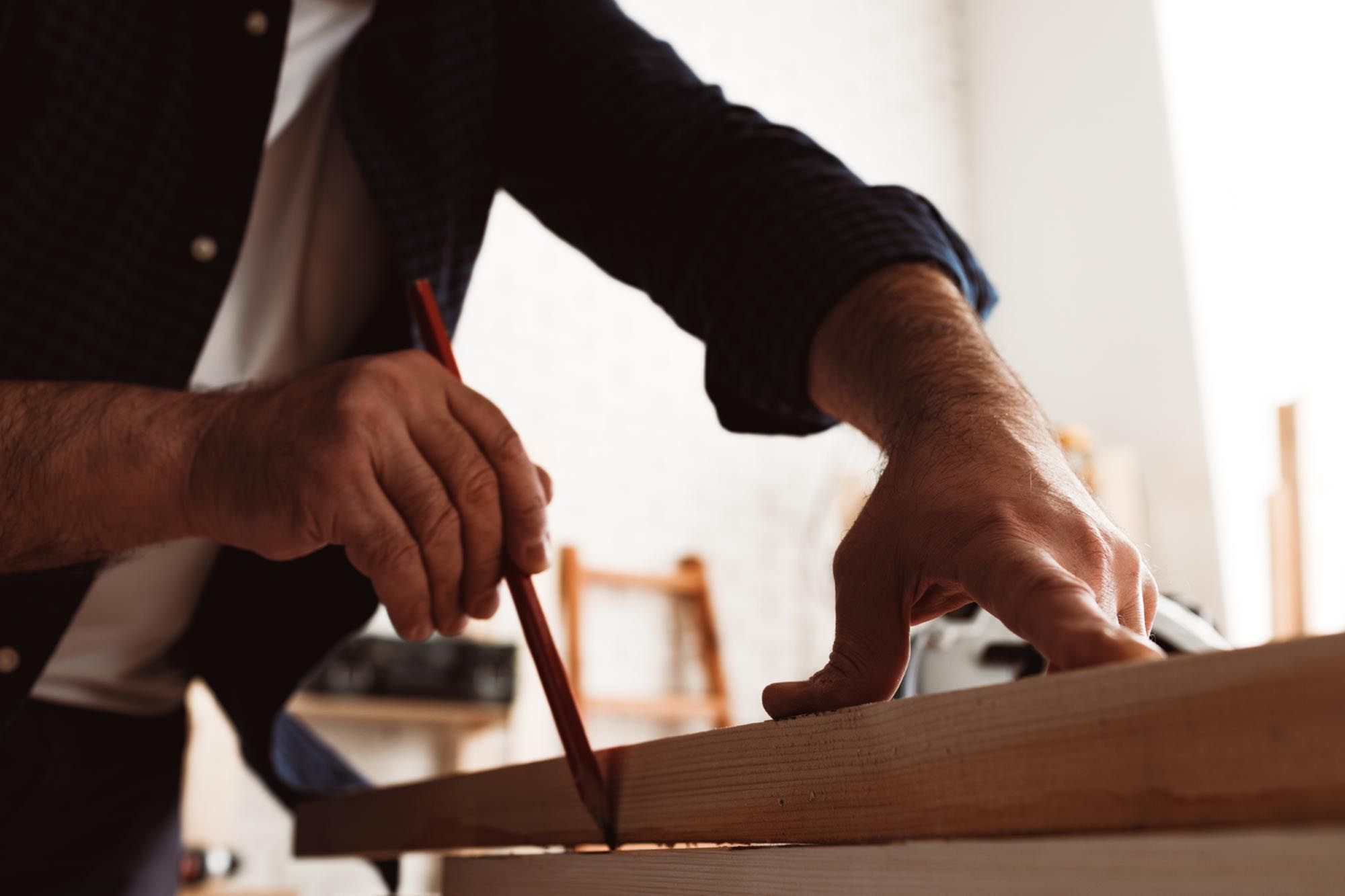
Antique furniture in London homes faces a familiar range of problems. Central heating can dry timber and cause joints to loosen. Damp conditions can affect veneer adhesion. Accidental damage, old repairs, and simple wear and tear all take their toll. The table below outlines typical issues and how they are usually addressed.
| Problem |
Likely Cause |
Typical Approach |
| Loose joints |
Drying, movement, old glue failure |
Re-glue and clamp; avoid cutting new joints where possible |
| Cracked timber |
Impact, moisture change, structural stress |
Stabilise and fill where appropriate; splint if structural |
| Damaged veneer |
Lifting, chipping, moisture, impact |
Re-glue lifting areas; patch missing sections with matching veneer |
| Water rings |
Spills, damp glasses, condensation |
Clean and treat; refinishing only if necessary |
| Scratches |
Wear, accidental damage |
Localised treatment; avoid sanding the whole surface |
| Missing mouldings |
Impact, historical loss |
Recreate to match profile and timber, or source reclaimed |
| Chipped edges |
Wear, impact |
Repair and tone-match; replace only if structurally necessary |
| Worn polish |
Age, cleaning, use |
Clean and re-polish; retain original finish where possible |
| Unstable legs |
Joint failure, woodworm, impact |
Repair joints; splice or replace leg sections only if essential |
| Broken drawers |
Wear, overloading, warping |
Repair runners and sides; replace drawer bottoms only if necessary |
Why Over-Restoration Can Be a Problem
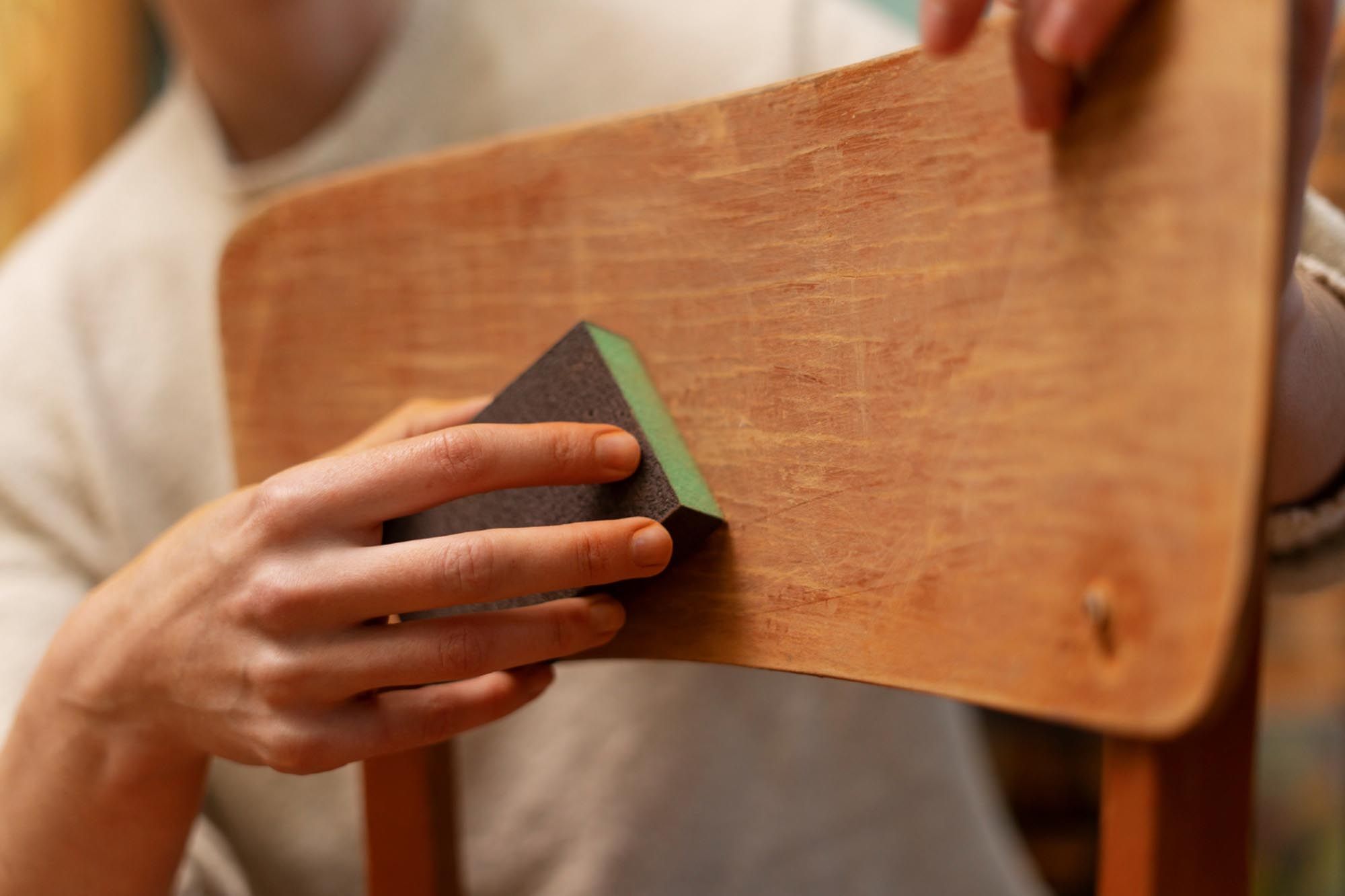
Over-restoration is the most common way that antique furniture loses character. Excessive sanding removes patina and thins timber, reducing both historical value and structural integrity. Replacing components that could have been repaired erases original material. Stripping original finishes—especially shellac, wax, or early lacquer—removes the surface that gives the piece its depth and colour. Aggressive bleaching can lighten timber unevenly and leave it looking flat. Modern coatings such as polyurethane or high-gloss lacquer are often inappropriate for period pieces, altering their appearance and making future conservation harder.
It is important to note that any discussion of value should involve a professional appraisal. Restoration decisions can affect value, but only a qualified appraiser can assess a specific piece. The aim here is to explain the principles of preservation, not to estimate what any piece is worth.
How a Restoration Plan Is Decided
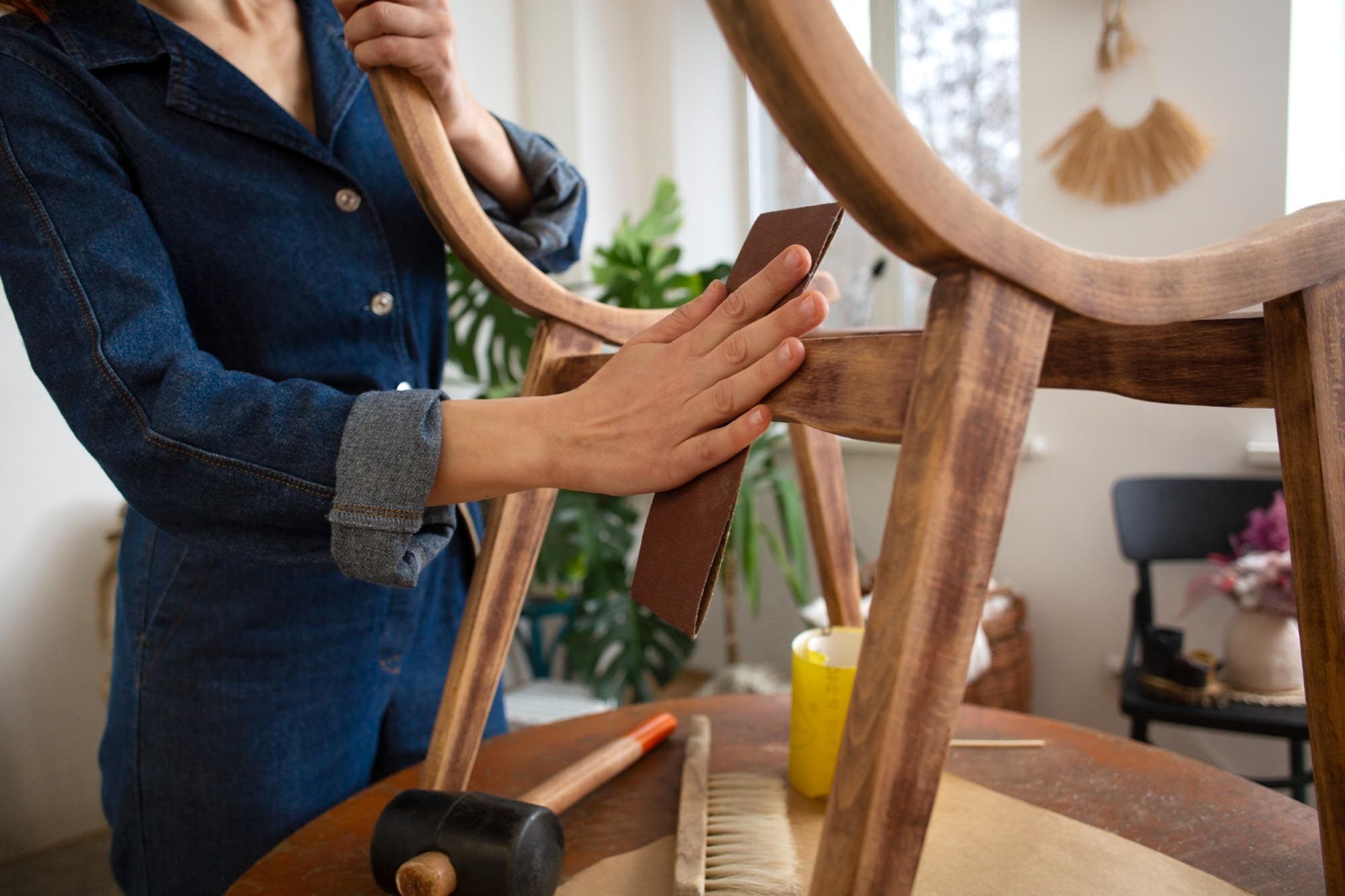
Every antique piece is different, and a restoration plan should be tailored to it. A professional assessment will consider:
- Age—an 18th-century piece and a 20th-century piece may require different approaches.
- Construction—joinery methods, materials, and original finish all influence what is safe to do.
- Timber—species, grain, and condition affect how repairs can be blended.
- Veneer—presence, type, and condition of veneer determines whether repair or replacement is appropriate.
- Finish—original finish type and condition guide whether to clean, re-polish, or refinish.
- Previous repair—old repairs should be assessed: some are sound, others need redoing.
- Intended use—a piece that will be used daily may need more stabilisation than a display piece.
- Client priority—some owners prioritise usability, others prioritise preservation; the plan should reflect that.
A clear, written plan helps prevent scope creep and ensures the owner understands what will and will not be done.
Matching New Repairs to Old Timber
When new timber is needed, the goal is to make the repair discreet rather than invisible. Matching should consider species, grain direction, tone, and ageing. New wood can be artificially aged and toned to blend with the surrounding timber, and hand finishing helps the repair settle into the piece. Stain matching should be done under the same lighting conditions as the final location. For antique table restoration in London, matching a replacement leg or patch to an existing top requires careful colour work and an understanding of how the piece will age.
When Refinishing Is Appropriate
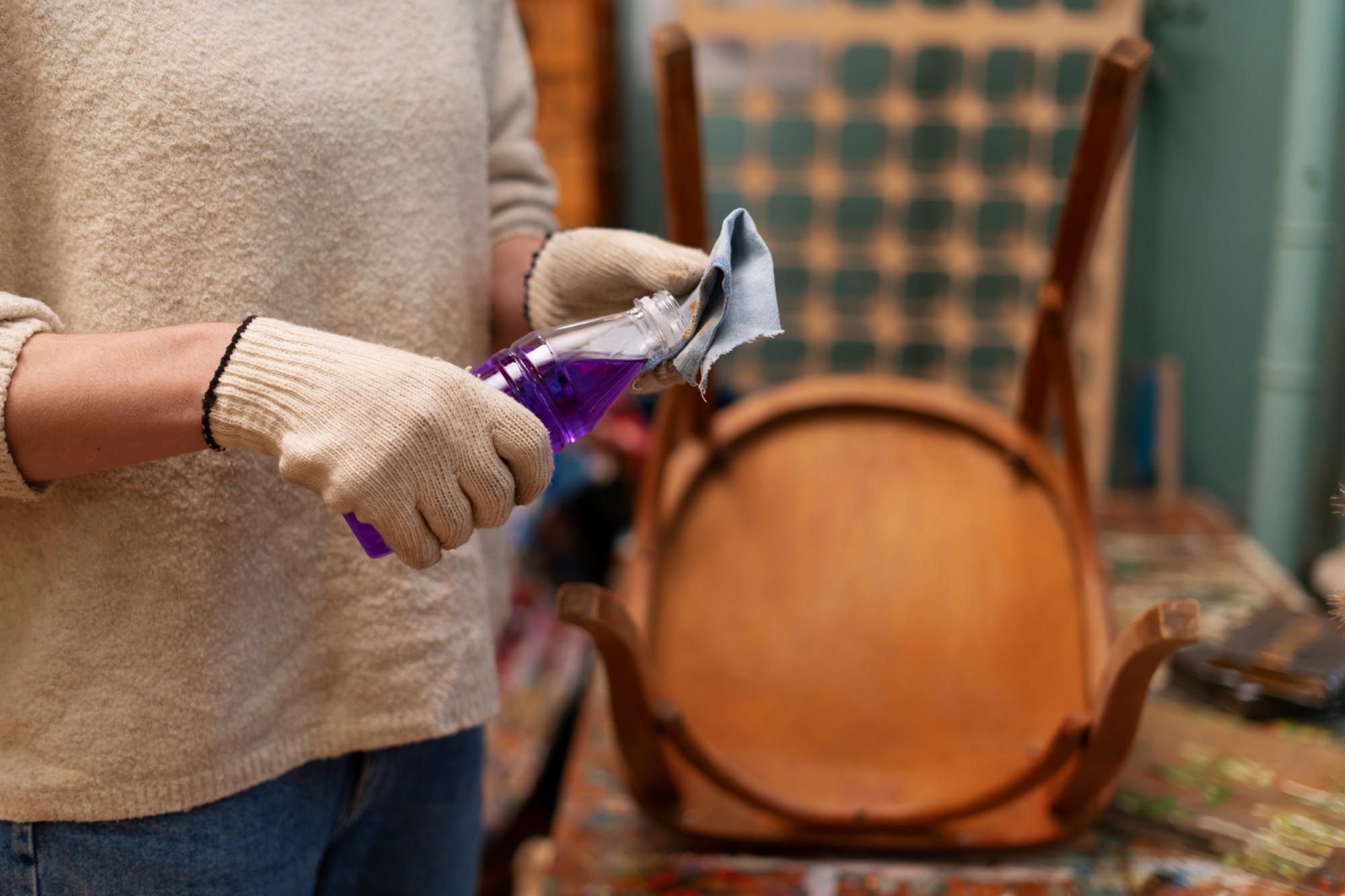
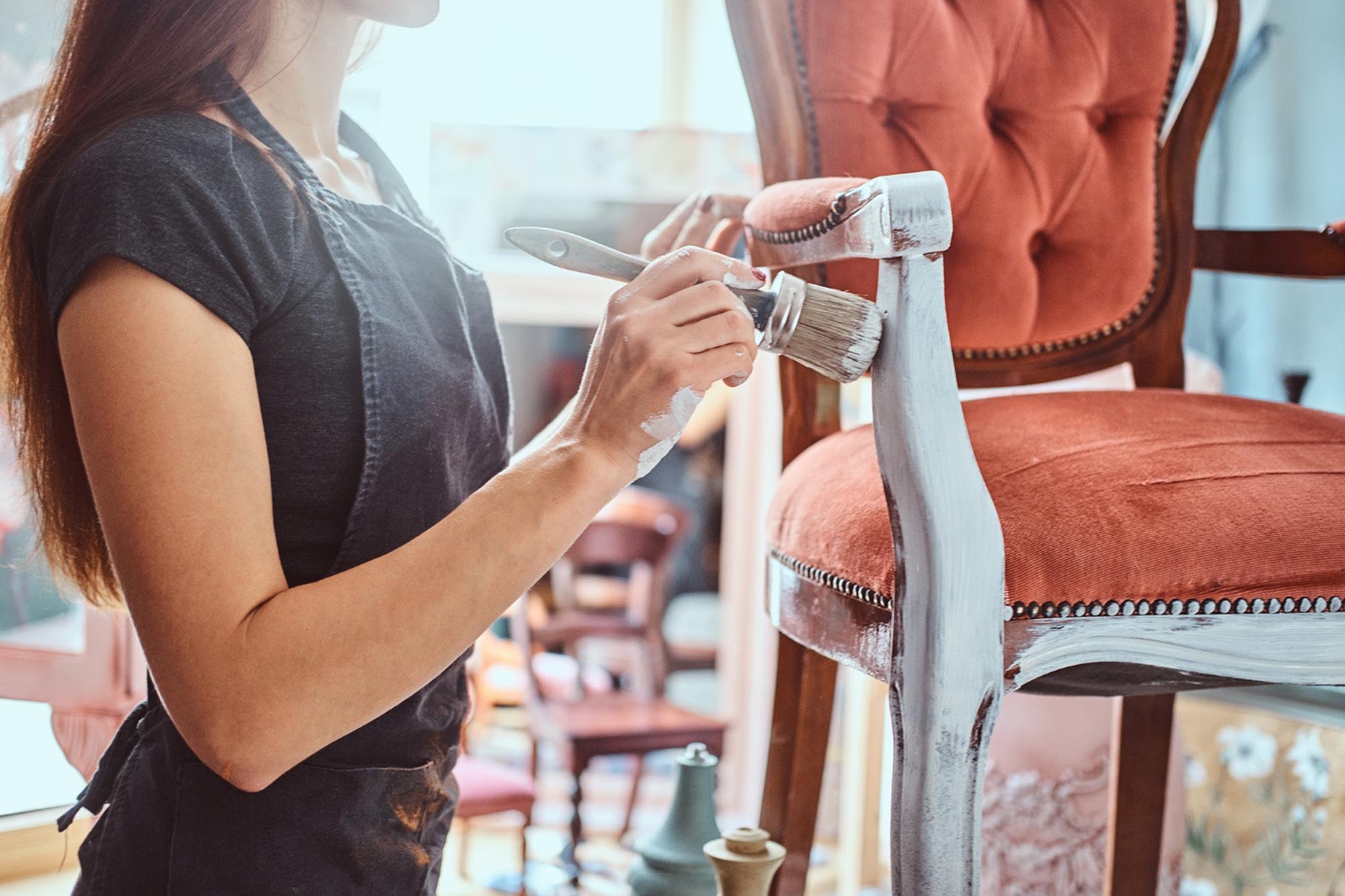
Refinishing is sometimes unavoidable—for example, when the existing finish is flaking, failing, or has been badly applied in the past. Even then, the least aggressive method should be chosen. Cleaning and re-polishing a sound original finish is almost always preferable to stripping it back. When refinishing is necessary, a finish appropriate to the period and the piece should be selected, and the patina and colour should be preserved as far as possible. Local conservation—treating a specific area rather than the whole piece—is often the better route.
Before and After: What Should a Good Restoration Look Like?
A good restoration should be discreet, not necessarily invisible. The piece should look cared for, stable, and true to its age. Loose joints should be tight, veneer should be secure, and missing pieces should be replaced sympathetically. But the patina, the colour variation, and the signs of age should still be there. A restored antique should not look like a new reproduction. It should look like a well-preserved original.