The entire process typically takes three to five days for an average-sized room, depending on the floor's condition and the chosen finish.
Why Parquet Requires a Different Sanding Approach
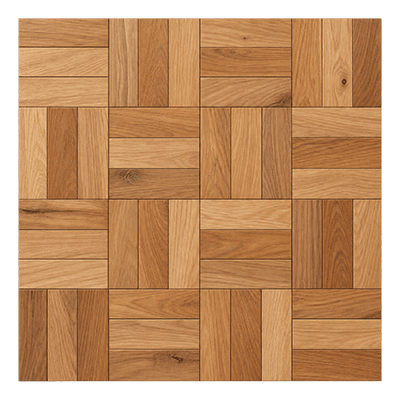
Parquet is not the same as standard floorboards. The patterned layout, varying grain directions, and adhesive residues all demand specialist handling. Understanding the differences helps you appreciate why wood floor sanding in Leeds requires a level of expertise that goes beyond standard floorboard work.
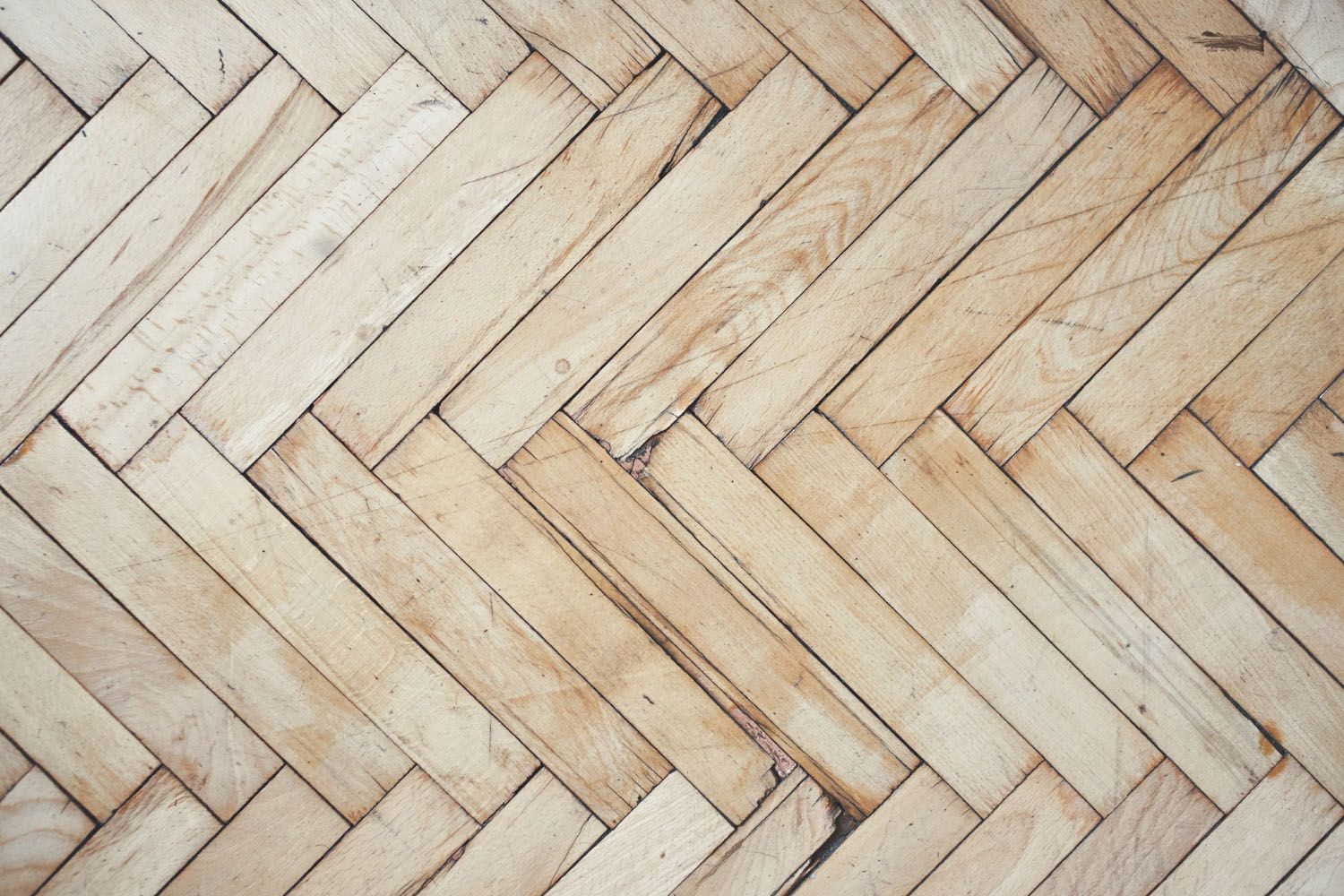
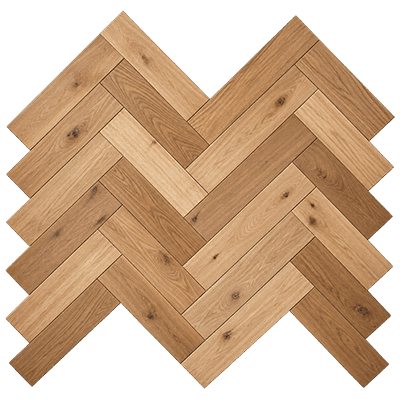
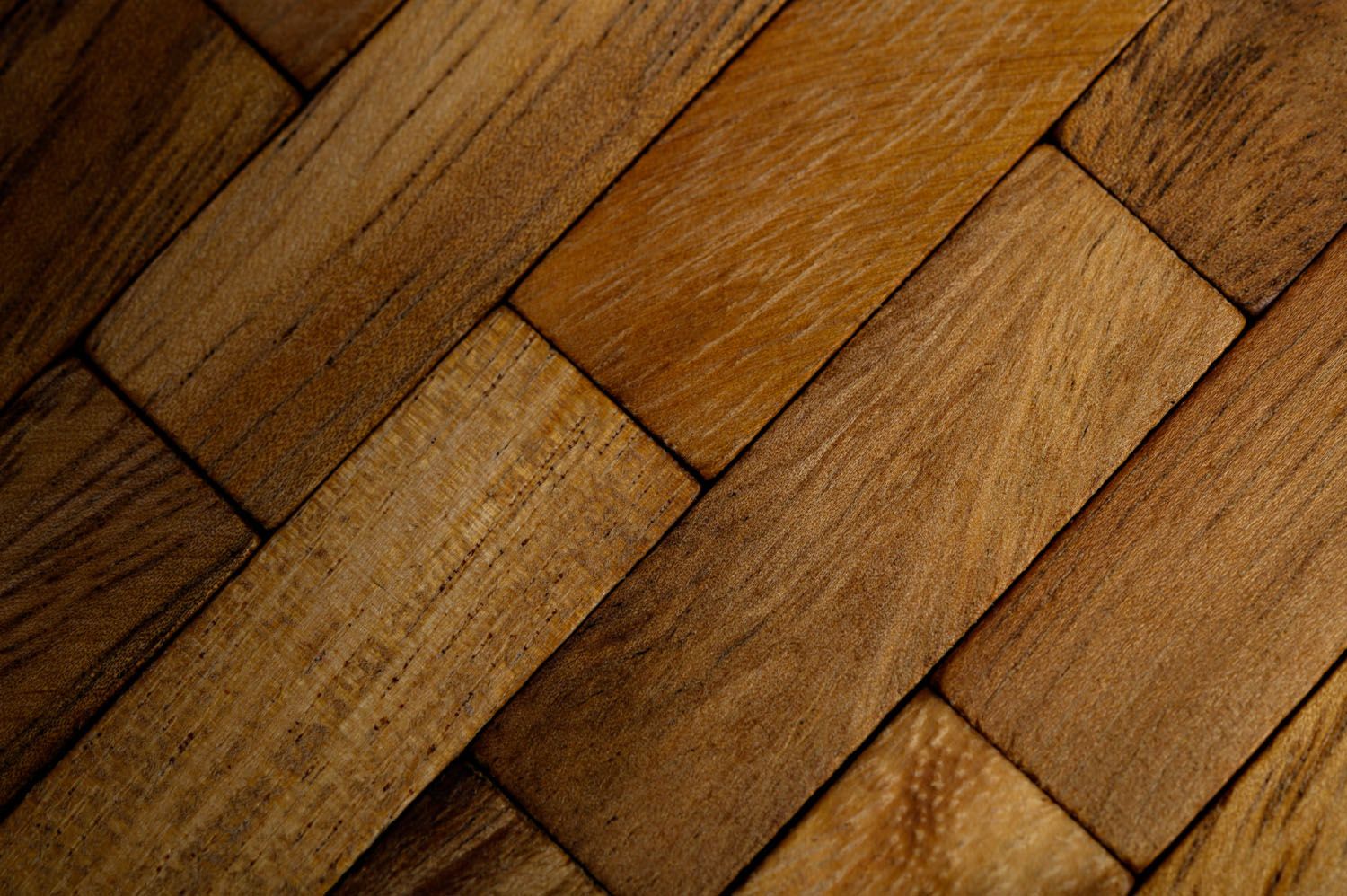
In a herringbone pattern, adjacent blocks are laid at 90 degrees to each other. There is no single direction in which a sander can run parallel to the grain of every block. Sanding against the grain tears timber fibres, leaving permanent marks. The solution is diagonal sanding—typically at 45 degrees to the main laying axis. At this angle, the sander crosses the grain of every block evenly, removing material consistently across the pattern.
Aggressive sanding can damage the pattern. Heavy drum sanders can gouge softer areas of oak or create dips at block edges. Professionals use rotary or multi-disc sanders that remove material evenly without creating flat spots. The block edges can also be at different heights if the floor has moved over time. Skilled sanding blends these variations without removing excessive material from the highest blocks.
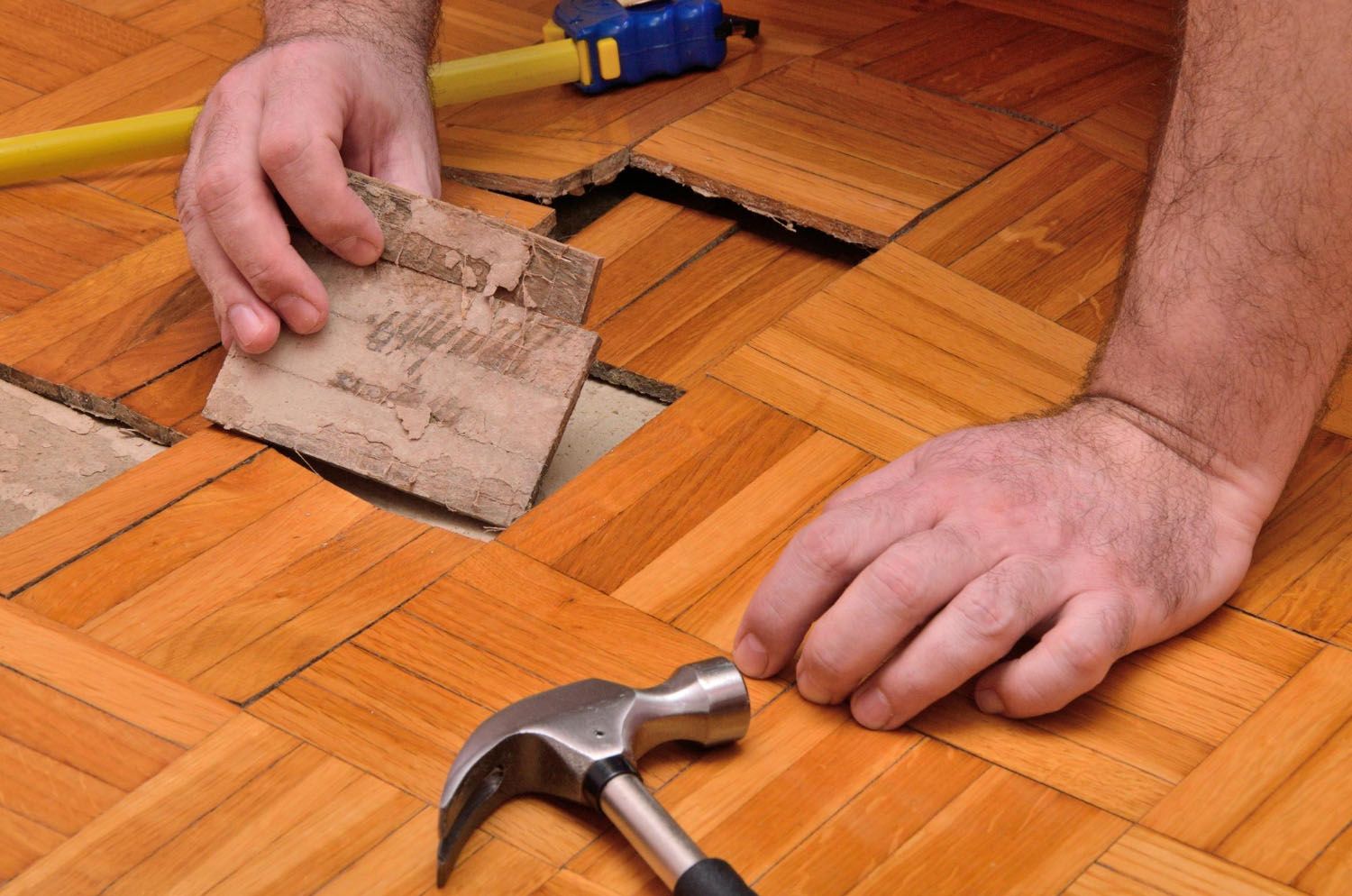
Old bitumen adhesive is another challenge. Loose blocks must be repaired before sanding begins—sanding over unstable blocks causes further movement and an uneven finish. In some cases, old adhesive may need careful removal before new blocks can be installed. Loose blocks should always be re-adhered before the main sanding to ensure a stable surface.
Choosing a Finish
The finish you choose affects appearance, durability, and long-term maintenance. Options include:
| Finish |
Appearance |
Maintenance |
Best suited to |
| Matt lacquer |
Natural, low sheen |
Relatively simple |
Busy family rooms |
| Satin lacquer |
Slight sheen |
Simple |
Traditional interiors |
| Hard wax oil |
Natural grain |
Periodic maintenance |
Character floors |
| Stain plus lacquer |
Changes colour |
Depends on system |
Uneven or dated tone |
For parquet, hard wax oil is often the most sympathetic choice. It enhances the natural grain and colour variation of oak, allowing adjacent blocks to catch light slightly differently. It is also easier to spot-repair between full sandings. Matt lacquer offers greater durability for high-traffic hallways, while retaining a relatively natural appearance.
Sanding Versus Full Parquet Restoration
Sanding is only one stage of complete wood floor restoration — not the whole solution. Many homeowners assume that sanding alone will fix loose blocks, missing sections, and structural movement. This is not the case.
If blocks are loose, sanding will not re-secure them. If gaps are wide, sanding will not fill them. If blocks are damaged, sanding will not replace them. A full parquet restoration addresses these issues before sanding begins. It stabilises the substrate, repairs or replaces damaged blocks, and only then sands and finishes the surface.
Sanding alone is appropriate for floors that are structurally sound and simply need refreshing—new lacquer, removal of surface scratches, or a colour change. However, if your floor has widespread loose blocks, missing sections, or unevenness, a full restoration is the better approach.