
Why Old Pine Floors Move More (and How to Handle It)
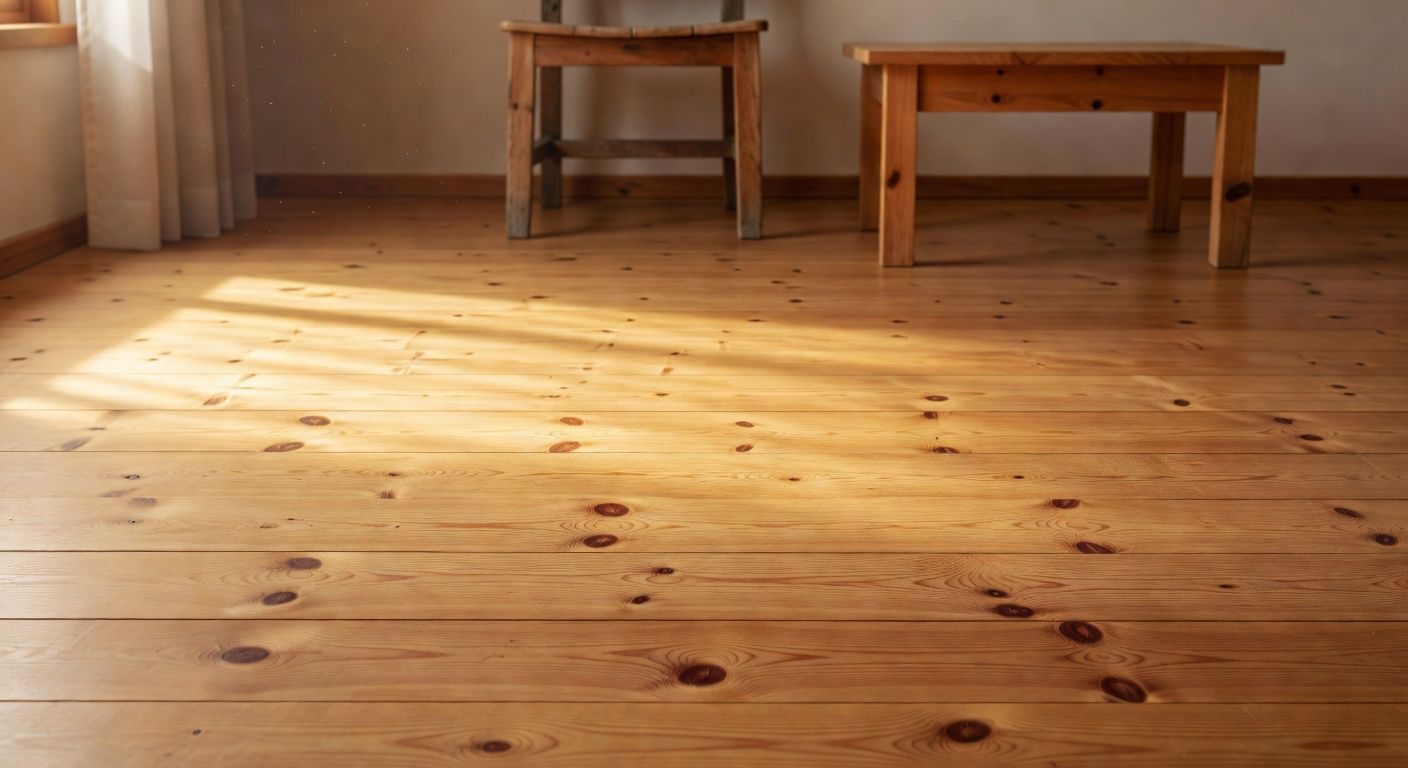
If you own an old pine floor, you have noticed it change with the seasons. In winter, gaps appear between boards. In summer, those gaps close. Boards that were flat in May develop slight cups in December. The floor creaks in some months and falls silent in others. This movement is not a sign of failure. It is simply what old pine does. Understanding why pine moves more than other woods, and learning how to live with that movement, is essential for anyone restoring or maintaining a period floor.
The Science of Wood Movement
All wood moves. It absorbs moisture from humid air, swelling in the process. It releases moisture when the air is dry, shrinking. This is called hygroscopic movement, and it is completely normal.
Different species move different amounts. Pine moves significantly more than oak. In fact, softwoods like pine and deal have higher rates of expansion and contraction than most hardwoods. A pine board can change width by several millimetres over the course of a year. Multiply that by dozens of boards across a room, and the total movement is substantial.
Old pine moves even more than new pine. Why? Because old pine has been through countless moisture cycles. Its cellular structure has become more responsive to changes in humidity. It reacts quickly and dramatically to its environment.
Why Old Pine Floors Were Never Meant to Be Perfect
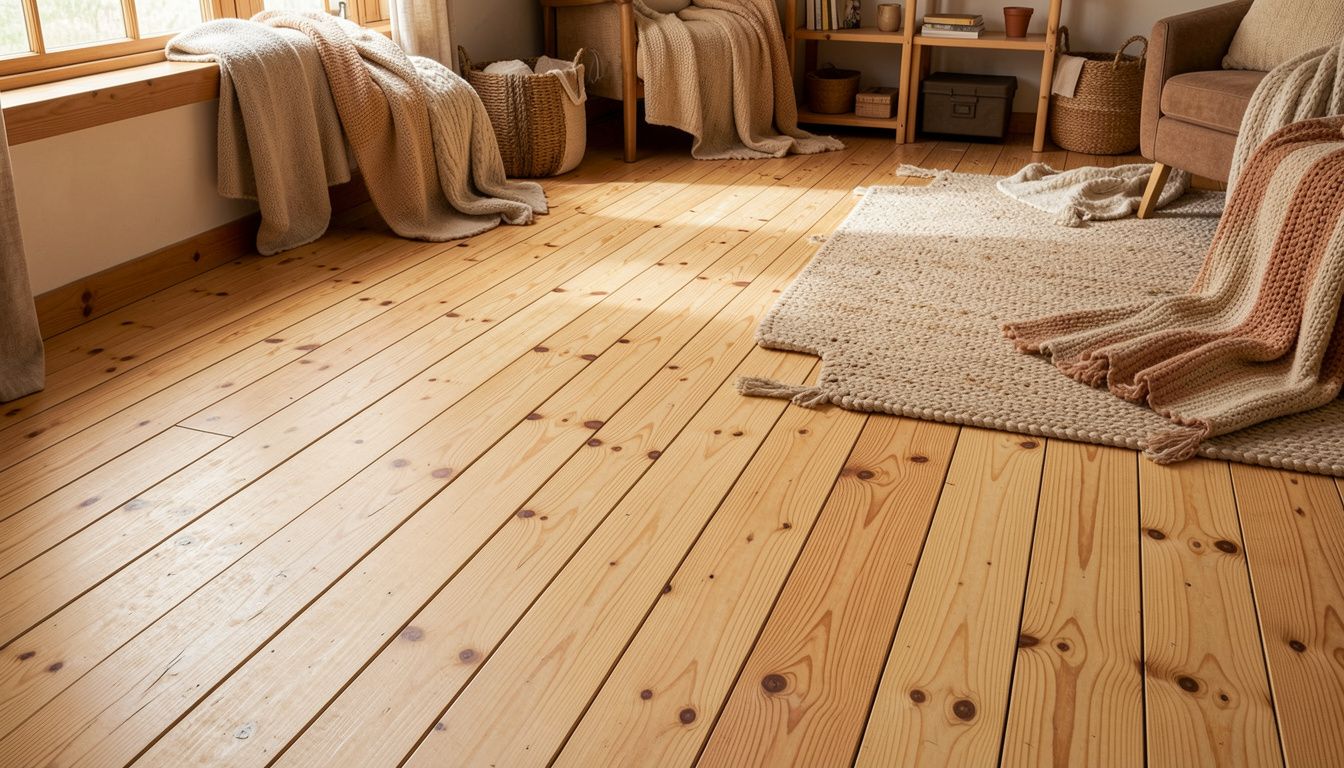 When Victorian and Edwardian builders laid pine floors, they did not expect them to be seamless. Carpets covered most of the floor, leaving only a border visible. Gaps were not considered defects. They were simply part of construction.
The boards were often laid green—unseasoned or partially dried. As they dried over decades, they shrank considerably. What started as tight-fitting boards developed gaps that grew larger over time. This shrinkage was expected and accepted.
Modern homeowners often expect different. They want floors that look like the seamless, gap-free surfaces seen in glossy magazines. But old pine cannot provide that. Trying to force it to behave like a modern engineered floor leads to frustration and damage.
Seasonal Movement: What to Expect
Understanding the annual cycle helps you know what is normal and what is a problem.
Winter. Central heating dries the indoor air. Pine releases moisture and shrinks. Gaps open between boards. Existing gaps become wider. The floor may develop slight cupping as the top surface dries faster than the bottom.
Spring. Humidity rises. The wood begins absorbing moisture from the air. Gaps start to close. Cupping may flatten.
Summer. Humidity is highest. Pine swells to its maximum width. Gaps close completely or become very small. The floor may feel slightly damp. Crowning (boards higher in the middle than at edges) can occur if the bottom of the board is drier than the top.
Autumn. Humidity falls. The floor begins shrinking again. Gaps reopen.
This cycle repeats every year. A difference of 3 to 5 millimetres in total floor width across a room is normal. In very dry winters, gaps may look alarming. They will close again in summer.
When Movement Is a Problem
Not all movement is normal. Some indicates underlying issues.
- Gaps that never close, even in summer: The wood has permanently dried and shrunk. This happens after many decades or if the room is consistently overheated.
- Severe cupping (edges significantly higher than centre): Often indicates moisture from below, such as a damp subfloor or leaking pipe.
- Severe crowning (centre higher than edges): Usually means the floor was sanded while still wet, removing the edges but not the centre.
- Boards that tent (lift dramatically in the centre): The floor has expanded beyond available space, often because it was installed without adequate expansion gaps.
- Cracks running along the length of boards: The wood has become excessively dry and brittle.
These issues may require professional assessment and intervention.
How to Handle Normal Movement
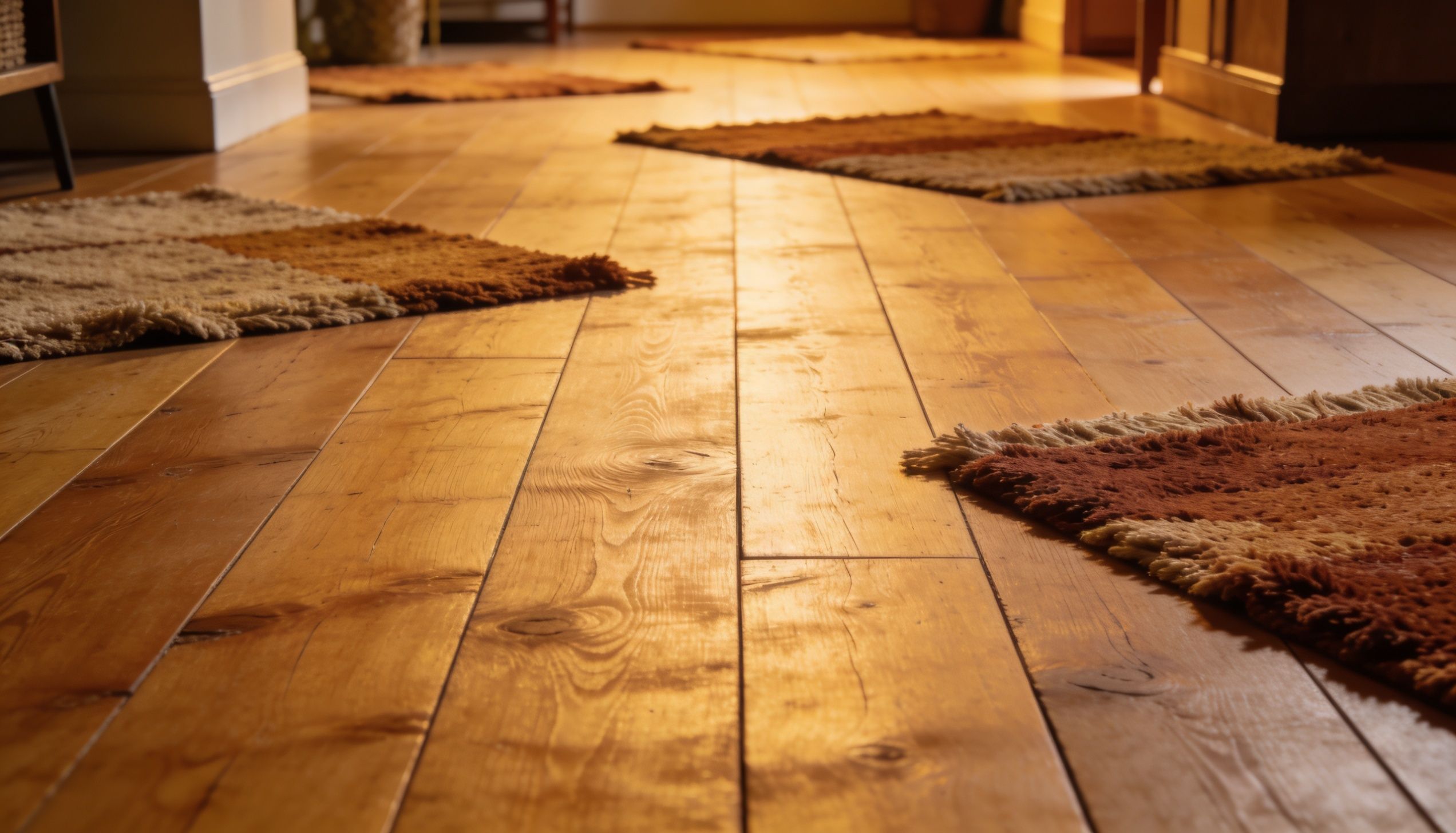
Accept Gaps as Character
The most important step is mental. Accept that old pine floors have gaps. They always have. They always will. Trying to eliminate gaps permanently is like trying to stop the tides.
Small to medium gaps are harmless. They add authenticity to period floors. They allow the wood to breathe. They remind you that your floor is alive and responding to its environment.
Never Use Rigid Fillers
If you must fill gaps, use only flexible fillers. Rigid fillers—such as standard wood fillers, epoxy pastes, or cement-based products—crack within months. The wood moves, the filler does not. The result is worse than the original gap, with cracked filler crumbling out.
Flexible resin fillers remain elastic. They move with the wood, stretching and compressing as the boards expand and contract. Even these may need reapplication every few years, but they will not crack.
For the largest gaps, consider timber strips. Glue a thin strip of matching wood into the gap. The strip moves with the surrounding boards because it is wood. This is labour-intensive but permanent.
Maintain Consistent Humidity
You cannot stop seasonal movement entirely, but you can reduce its severity. Maintain indoor humidity between 45% and 55% year-round. In winter, use humidifiers. In summer, use dehumidifiers or air conditioning.
Consistent humidity reduces the amplitude of movement. Gaps will still appear but will be smaller. The floor will be less stressed.
Ensure Underfloor Ventilation
Period pine floors are laid over suspended timber subfloors. These subfloors need ventilation to prevent moisture buildup. Check that air bricks are clear and unobstructed. If previous owners covered them or paved over them, reinstate ventilation.
Good underfloor ventilation reduces moisture from below, which is a common cause of excessive cupping and movement.
Use Appropriate Fasteners
If boards are lifting or becoming loose, they may need re-securing. Use screws rather than nails. Screws hold more firmly and are less likely to work loose with seasonal movement. Countersink the screws, then fill the holes with timber plugs or filler.
Do not over-tighten. The board needs some ability to move. Forcing it completely rigid can cause cracking.
What Not to Do
- Do not glue boards together. Gluing creates a rigid panel that will crack as the wood tries to move.
- Do not install a floating floor over old pine without an expansion gap. The pine underneath will still move, potentially damaging the floating floor above.
- Do not sand aggressively to remove cupping. If the cupping is caused by moisture, sanding just removes the high edges. When the floor dries, those edges will become low, creating a wavy surface.
- Do not ignore persistent movement. If gaps continue widening year after year, or if cupping worsens, investigate for underlying moisture problems.
When to Call a Professional
 Some movement issues require expert assessment:
- You suspect a leak or damp subfloor
- The floor has been sanded multiple times and is becoming thin
- Boards are cracking or splitting regularly
- You have tried filling gaps with rigid filler and it keeps failing
- The floor is tenting or lifting dramatically
A period floor specialist can identify the cause of excessive movement and recommend appropriate solutions, which may include improving ventilation, addressing moisture sources, or replacing the most problematic boards.
Living with an Old Pine Floor
Old pine floors are not low-maintenance in the way that modern engineered floors are. They require attention. They change with the seasons. They show their age. That is precisely what makes them beautiful.
Think of your floor as a living thing. It breathes. It moves. It responds to its environment. Working with that movement, rather than fighting against it, produces a floor that feels authentic, warm, and full of character.
The gaps in winter tell you the air is dry. The closed gaps in summer tell you humidity has risen. The floor is communicating with you. Listen to it. Accept it. And enjoy the unique, irreplaceable quality of a century-old pine floor.