
Uneven Victorian Floors: Causes and Professional Solutions
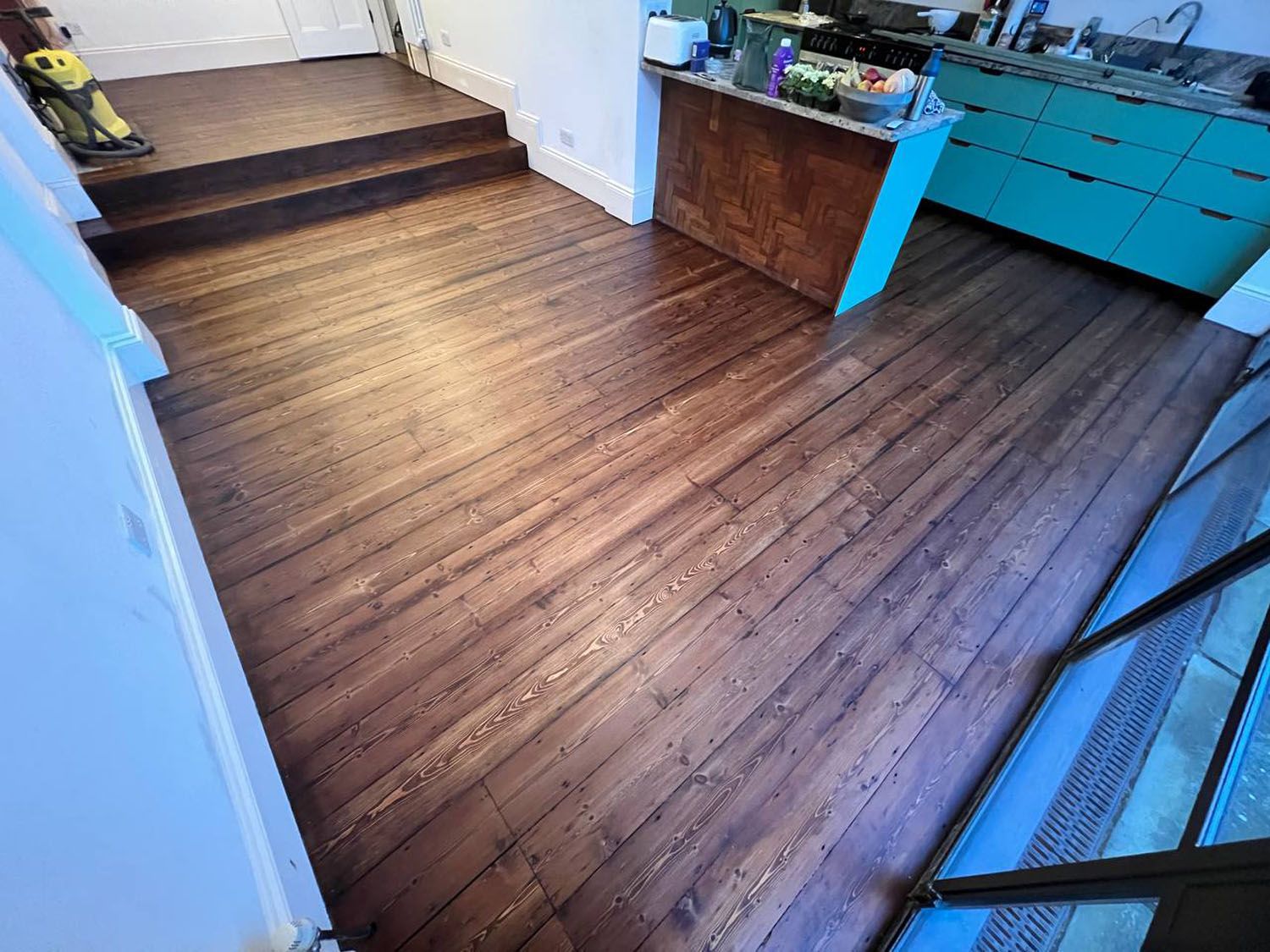
Walk into any Victorian home, and you will feel it. The subtle slope toward the fireplace. The slight dip near the doorway. The way a marble rolls gently across the room if you drop it on the floor. Uneven floors are one of the most common characteristics of Victorian properties. For some homeowners, these irregularities are part of the charm—the house settling into its foundations over a century and a half. For others, they are a concern, raising questions about structural stability and practical implications for furniture placement and renovation. This article explores the causes of uneven Victorian floors and explains professional solutions that address both the aesthetic and structural aspects of the problem.
Is Unevenness Normal?
In a word, yes. Most Victorian floors are not perfectly level, and they were never intended to be. Builders in the nineteenth century worked with different standards. Materials were less uniform. Ground preparation was less precise. And the floors have had 150 years to settle, shift, and move.
Minor unevenness—a gentle slope of 1 to 2 centimetres across a room—is entirely normal and usually harmless. It is part of the character of an old house. More significant unevenness, particularly if it has developed suddenly or is accompanied by cracking walls or sticking doors, may indicate a problem that requires attention.
Common Causes of Uneven Victorian Floors
Settlement
All buildings settle over time. The ground beneath a Victorian house compresses under the weight of the structure. Some areas settle more than others, creating slopes and dips in the floors above. This is the most common cause of unevenness and is usually not a cause for concern unless the movement is ongoing or accelerating.
Deteriorating Joists
Victorian floor joists are timber, and timber can rot, be attacked by woodworm, or simply dry and shrink over a century. When a joist fails or weakens, the floor above it sags. This often shows as a noticeable dip in the centre of a room, where the joist spans between supporting walls.
Inadequate Original Support
Victorian builders sometimes used undersized joists or spaced them too far apart. Over time, these joists can sag under the weight of the floor and furniture. This is particularly common in wider rooms where the joist span exceeds what the timber can comfortably support.
Subfloor Movement
The boards that form the subfloor or the original floorboards themselves can move, shrink, or warp over time. This creates localised unevenness that affects individual boards rather than the whole floor.
Historical Alterations
Walls that were removed or doorways that were moved during previous renovations can affect the support structure beneath the floor. Loads that were once carried by a wall may now be carried inadequately by joists.
Moisture and Rot
Persistent dampness weakens timber. Rotting joists or subfloor boards can cause the floor above to sink. This is often accompanied by other signs of damp, such as staining or mould.
When Unevenness Is a Problem
Not all uneven floors require intervention. However, certain signs suggest the need for professional assessment:
- The floor has developed unevenness suddenly or noticeably worsened over a short period
- Cracks have appeared in walls, particularly above doorways
- Doors have started sticking or no longer close properly
- You can feel movement or bouncing when walking across the floor
- There are visible signs of rot or damp beneath the floor
- The unevenness is significant enough to make furniture wobble
Professional Solutions for Uneven Victorian Floors
Assessment and Diagnosis
The first step is a thorough assessment by a specialist. This typically involves:
- Visual inspection of the floor surface
- Measuring the extent of unevenness using a laser level or straight edge
- Inspection beneath the floor if accessible (crawl space or basement)
- Checking for signs of rot, woodworm, or damp
- Assessing the condition of joists and support structures
- Understanding the history of the property and any previous alterations
This assessment determines whether the issue is cosmetic or structural, and what solutions are appropriate.
Solution 1: Leaving Minor Unevenness
For minor slopes and dips that are not structurally significant, leaving the floor as it is often the best approach. The unevenness is part of the floor's character, and attempting to level it completely would require removing excessive material or significant structural work. Furniture can be levelled with shims, and the floor can be refinished while accepting its natural contours.
Solution 2: Joist Repair and Strengthening
If the unevenness is caused by deteriorating joists, the joists themselves may need repair or strengthening. This can involve:
- Splicing new timber alongside weakened joists (sistering)
- Adding additional support beams or props
- Replacing sections of joist that are rotted or damaged
- Installing noggins (cross-bracing) between joists to reduce movement
This work is typically done from below, accessing the subfloor space. It addresses the root cause of the unevenness rather than just the surface.
Solution 3: Floor Leveling Compound
For floors that are uneven but structurally sound, floor leveling compound can be applied. This is a liquid or semi-liquid compound that flows across the floor, finding its own level and creating a flat surface. It is typically used over concrete or screed subfloors.
For suspended timber floors, a self-levelling compound can be used, but it must be appropriate for timber and applied over a suitable membrane to prevent moisture issues.
Solution 4: Sanding to Remove High Spots
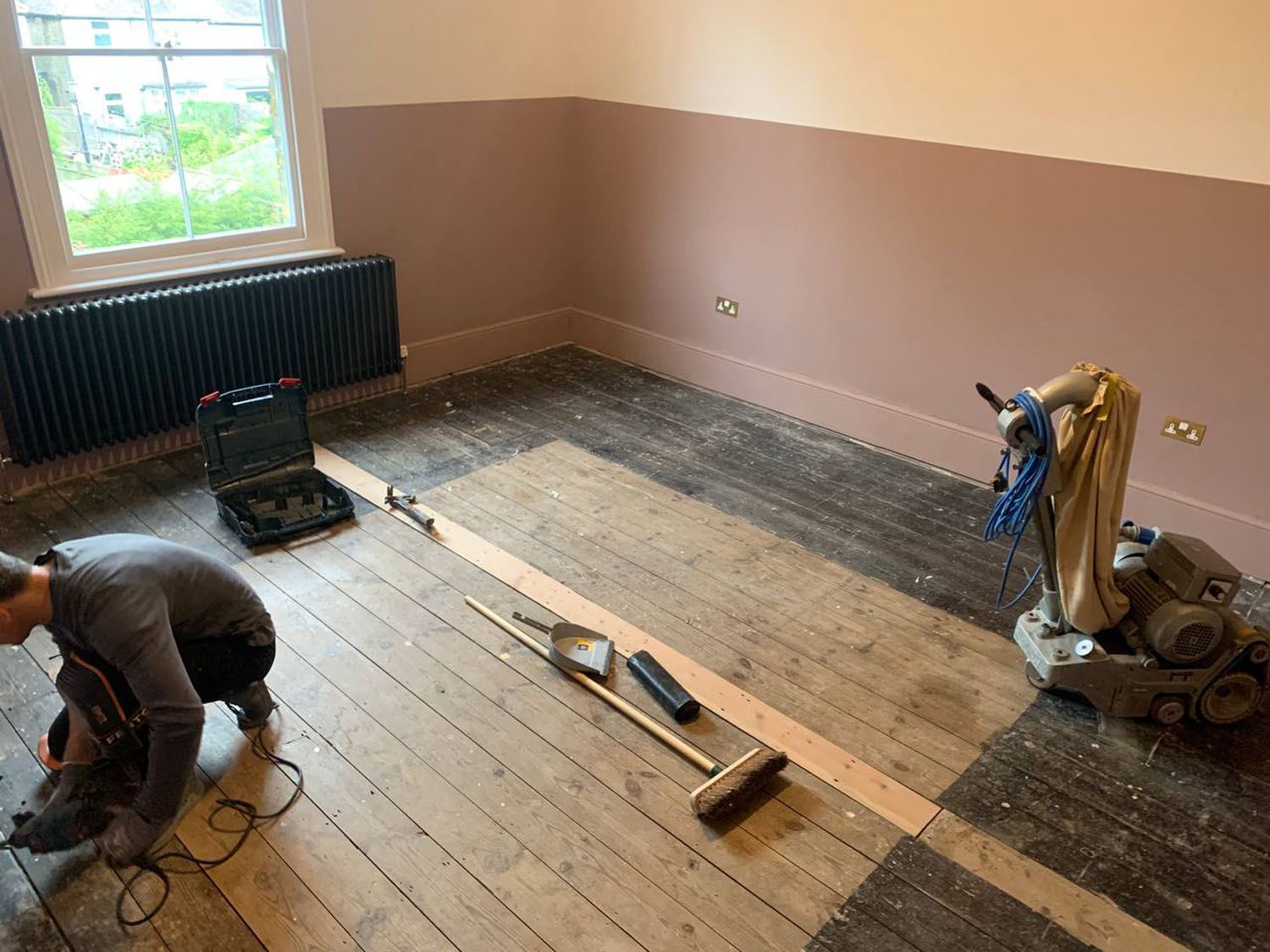
Where the unevenness is caused by localised high spots, sanding can reduce the differences. A floor sander can remove material from the highest areas, creating a more level surface. This is suitable for minor unevenness—typically no more than 5-6mm difference across the floor.
Solution 5: Selective Board Replacement
If individual boards have cupped or warped significantly, replacing them with matching timber can address the issue. This is particularly effective for localised problems rather than whole-room unevenness.
Solution 6: Full Board Replacement or Overlay
In cases where the existing floor is too damaged or uneven to sand, full replacement or overlay may be the best option. This can be done using reclaimed Victorian boards for authenticity or with new timber that is then finished to match the period.
The Role of Professional Assessment
 Uneven Victorian floors are rarely straightforward. What appears to be a simple cosmetic issue may have structural causes. What seems like a significant problem may, in fact, be harmless settlement. Only a professional with experience in period properties can make this distinction accurately.
Professionals bring:
- Experience identifying different causes of unevenness
- Knowledge of appropriate solutions for Victorian construction
- Access to specialist equipment for accurate measurement
- Understanding of the historical context and character of the property
- Connections to suppliers of reclaimed timber and specialist repair materials
Conclusion
Uneven floors are one of the defining characteristics of Victorian homes. They are not automatically a problem, and in many cases, they are best left as they are. When intervention is needed, there are professional solutions ranging from joist repair to selective board replacement to full leveling.
The key is accurate diagnosis. A specialist who understands Victorian construction can distinguish between harmless settlement and structural issues, recommending solutions that address the cause without damaging the character of the property.
Your Victorian floor has settled over 150 years. With sensible assessment and targeted repairs, it will continue to serve your home for another century—slopes, dips, and all.