
Victorian Pine Floorboards: Can They Be Fully Restored?
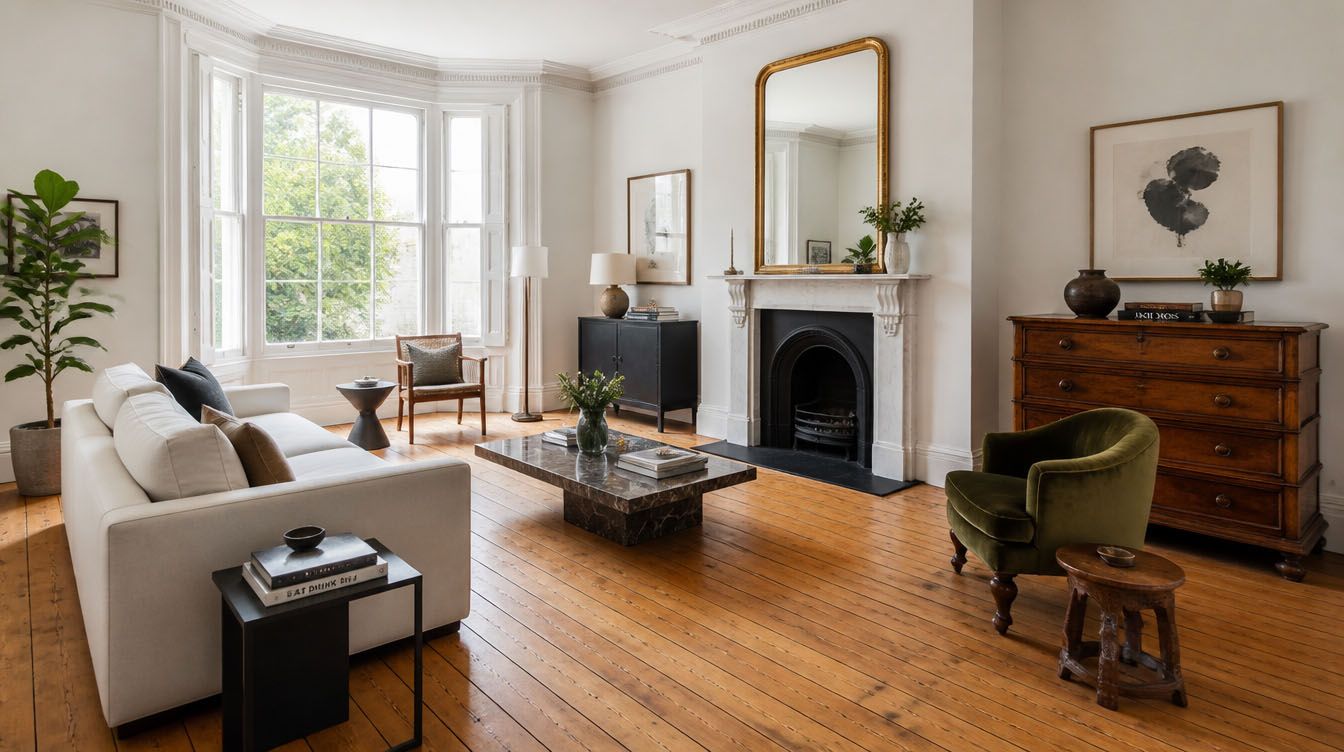
Victorian pine floorboards are among the most beloved features of London's period homes. They carry the warmth, character, and history of over a century of family life. But they also carry the marks of that life—scratches, dents, gaps, stains, and sometimes rot or woodworm. If you own a Victorian home, you may have looked at your tired, worn floorboards and wondered: can these truly be fully restored? The answer is yes—but "fully restored" means different things to different people. Understanding what is possible, and what is not, helps you set realistic expectations and make informed decisions about your floor.
What Does "Fully Restored" Mean?
For some homeowners, full restoration means making the floor look as close to new as possible—smooth, flat, and uniform. For others, it means preserving the floor's character while addressing structural issues and refreshing its appearance. Both approaches are valid, but they lead to different outcomes.
A Victorian pine floor can be made to look significantly better. It can be made structurally sound. It can be refinished to last another century. But it will never look like a brand-new oak floor. The wood is too soft, too aged, and too full of history to achieve a pristine, factory-perfect appearance. And that is precisely its charm.
What Can Be Restored?
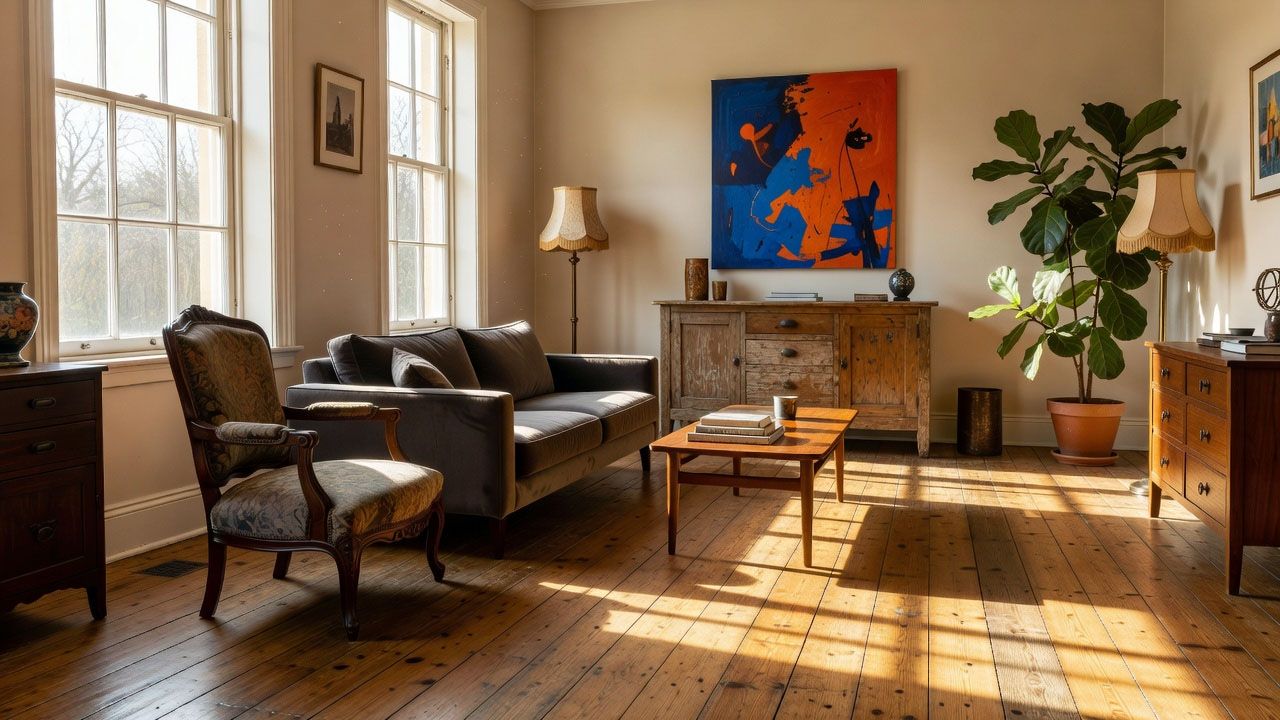 Most Victorian pine floors can be restored to a condition that is beautiful, durable, and true to the period. The following issues can be addressed:
- Surface wear and scratches: Sanding removes the top layer of wood, eliminating light scratches and surface wear. Even deep scratches can often be sanded out, provided the board has sufficient thickness remaining.
- Stains: Many surface stains—from water rings, spills, or old carpet adhesives—disappear during sanding. Deeper stains may require treatment with oxalic acid or board replacement.
- Gaps: Gaps between boards are normal in Victorian floors. They can be left as character, filled with flexible resin, or fitted with timber strips for a more seamless look.
- Cupping and unevenness: Cupping caused by moisture often resolves once the floor dries. Persistent cupping can be sanded flat, though this removes material.
- Woodworm: Historic woodworm holes are harmless and can be left as character. Active infestation must be treated professionally.
What Cannot Be Fully Restored?
Some issues limit the extent of restoration possible.
- Excessive thinning: If the floor has been sanded too many times, the boards may be too thin to sand again. Sanding would expose the tongue and groove, compromising the floor's structural integrity.
- Deep rot: Rot destroys the cellular structure of wood. It cannot be reversed. Rotting boards must be cut out and replaced.
- Severe water damage: Blackened, stained boards that remain soft or crumbly after drying usually require replacement.
- Missing sections: Boards cut out for plumbing or wiring access may need to be replaced with reclaimed timber.
- Extreme cupping: Severely cupped or warped boards may be too damaged to sand flat without removing excessive material.
The Restoration Process for Victorian Pine
Assessment
The first step is a thorough assessment. Professionals check board thickness above the tongue and groove, identify areas of rot or woodworm, note loose boards and raised nails, and assess the subfloor condition. This assessment determines whether the floor can be sanded or whether some boards need replacement.
Structural Repairs
Before sanding, structural issues are addressed:
- Loose boards are re-secured with screws
- Raised nails are punched below the surface
- Rotten boards are cut out and replaced
- Woodworm is treated if active
- Subfloor issues are addressed
Sanding
Sanding follows a careful grit progression, starting finer than on hardwood to avoid removing too much material too quickly. Edge sanders handle the perimeter, and corners are finished by hand. Multiple passes through progressively finer grits achieve a smooth surface.
Filling
Gaps are assessed and either left, filled with flexible resin, or fitted with timber strips. The goal is to balance aesthetics with the natural movement of the wood.
Finishing
The appropriate finish is applied based on the homeowner's preferences and the room's use:
- Hard wax oil for a natural, breathable finish
- Traditional wax for maximum authenticity
- Matte lacquer for durability in high-traffic areas
Managing Expectations: What Your Floor Will Look Like
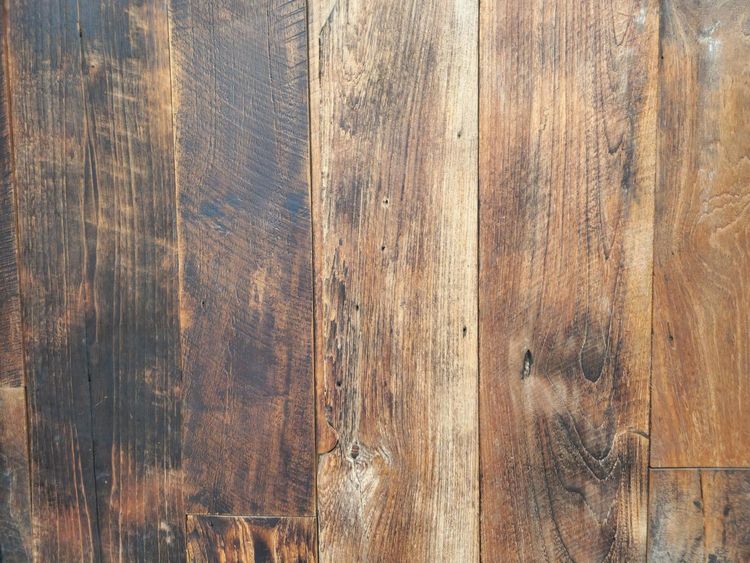
A restored Victorian pine floor will retain its character. You will still see nail holes, slight variations in board width, subtle colour differences, and the occasional knot or mineral stain. The gaps between boards may remain visible. The floor will not be perfectly flat or uniform.
These features are not defects. They are the marks of a century of use and the natural character of pine. A restored floor that shows its age is far more authentic and valuable than one that has been sanded into featureless uniformity.
When Replacement Is Better
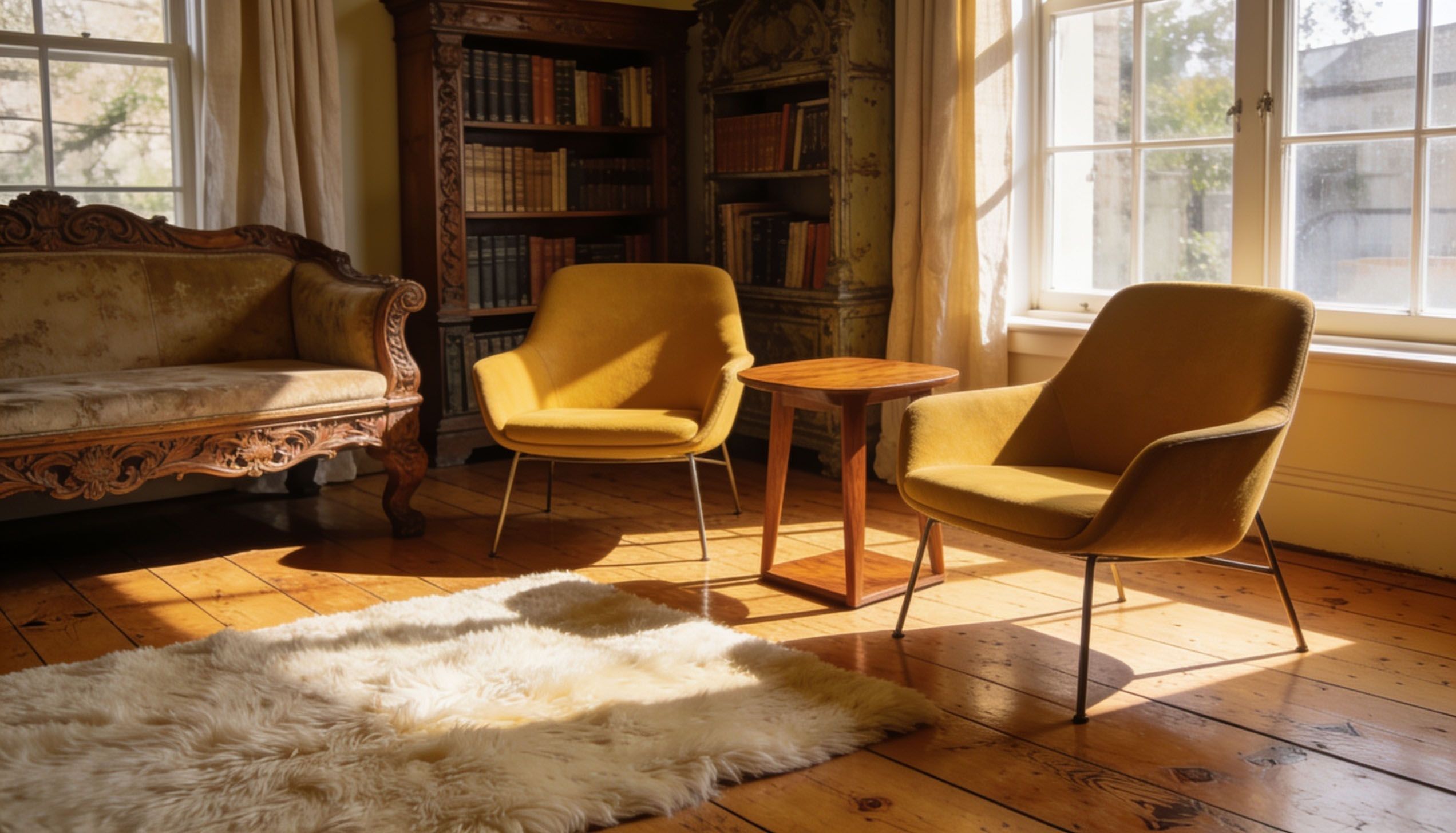 Sometimes restoration is not the best option. If the floor is very thin, extensively rotted, or has been so badly damaged that full restoration is impossible, replacement may be the only viable path. In these cases, reclaimed Victorian pine boards can be installed, matching the character and age of the original floor.
This is not a failure of restoration. It is a practical solution that preserves the period feel of the home.
The Professional Difference
Restoring Victorian pine floors requires skill, experience, and the right equipment. Professionals know how to assess board thickness, identify woodworm, punch nails efficiently, and sand without creating dips. They source matching reclaimed timber, apply finishes correctly, and know when to stop.
Attempting to restore a Victorian floor without these skills risks over-sanding, damaging boards, or ending with a floor that looks worse than before. For a floor that has survived over a century, professional care is a worthwhile investment.
Conclusion
Victorian pine floorboards can be fully restored in the sense that they can be made structurally sound, visually beautiful, and fit for another century of use. They will not look new, and they should not look new. A restored Victorian floor should retain the patina, the marks, and the character that make it unique. That is the difference between restoration and replacement. Restoration honours the history. Replacement starts fresh. Both have their place, but for those who love the warmth and story of old pine, restoration is the path to preserving something irreplaceable.