
How to Preserve Original Victorian Flooring During Renovation
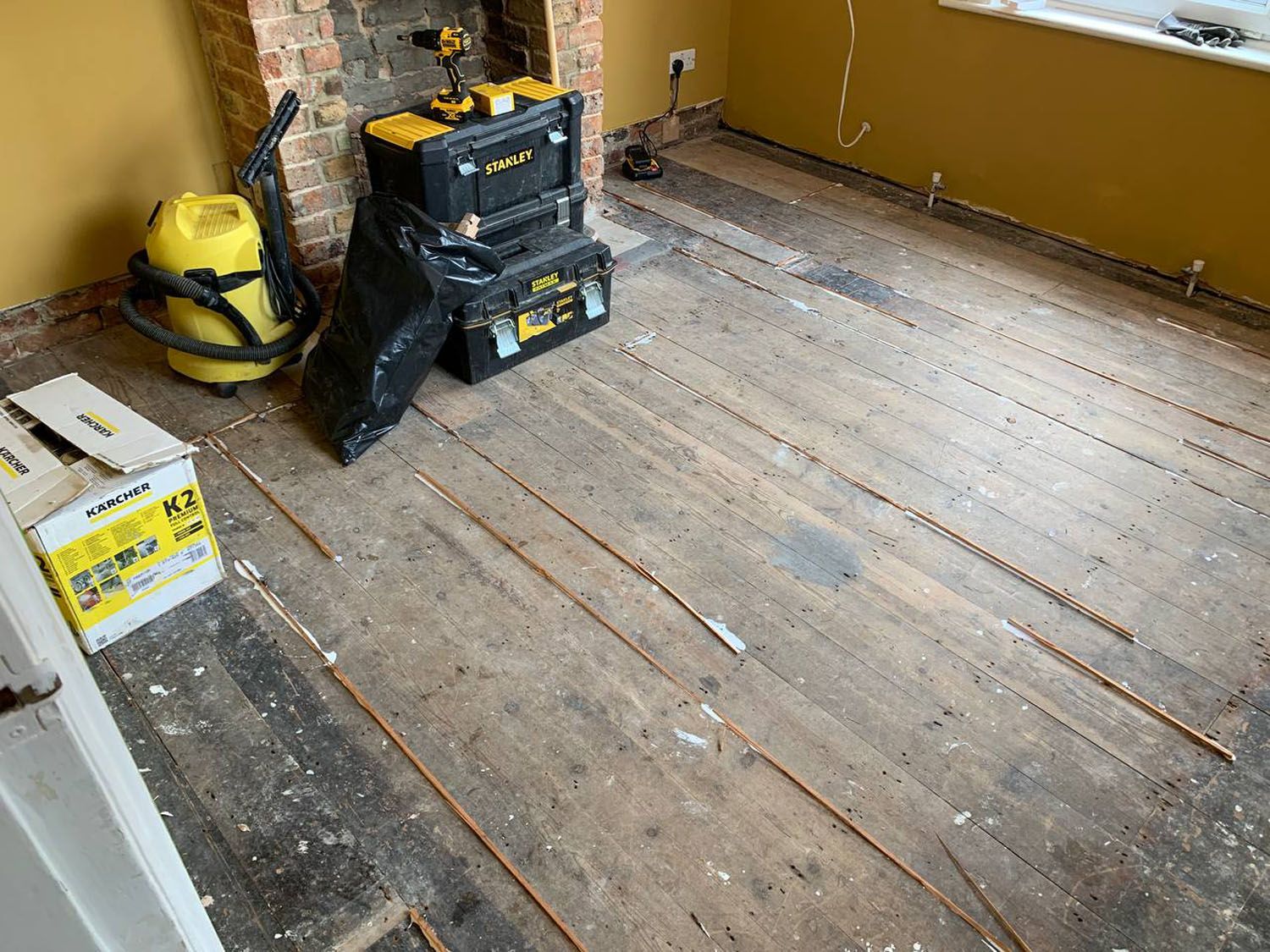
Renovating a Victorian home is an exciting journey. You update the kitchen, rewire the electrics, install modern heating, and transform the space for contemporary living. But amidst all this change, one feature deserves special protection: the original Victorian flooring. These floorboards have witnessed over a century of life. They carry the patina, the nail holes, the warm amber tones that no new timber can replicate. Losing them during a renovation is not just a loss of material—it is a loss of history. This article explains how to protect and preserve original Victorian flooring throughout your renovation project.
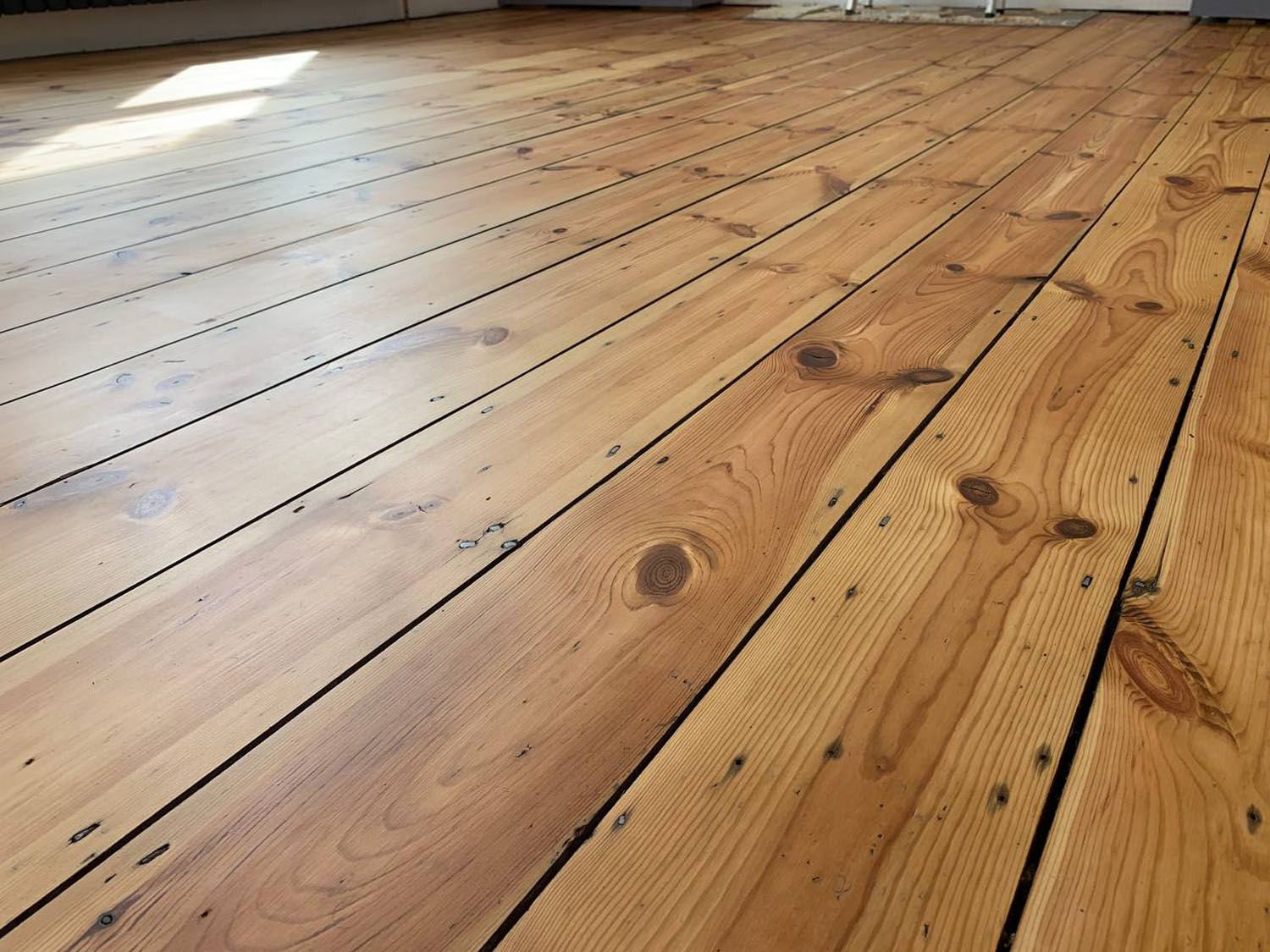
The Value of Original Flooring
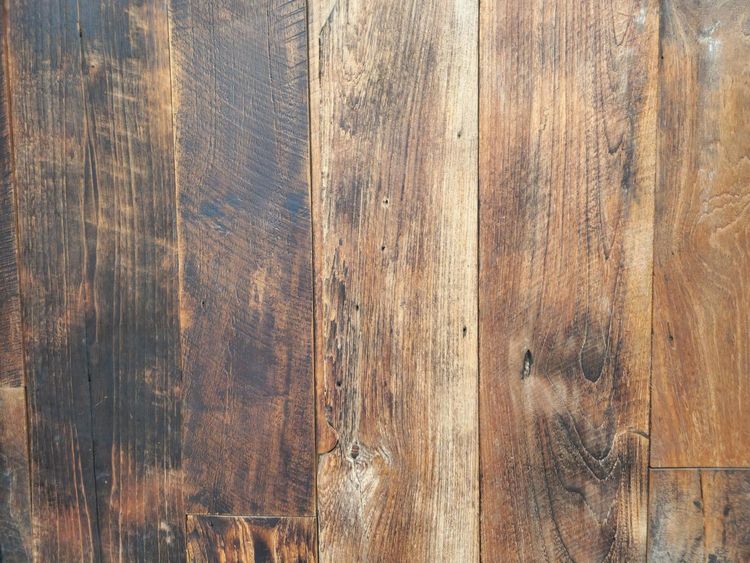
Before discussing protection methods, it helps to understand why original flooring matters. Victorian floorboards are typically wide, slow-grown pine or deal. The timber is denser and more stable than most modern softwood. The patina developed over 150 years cannot be artificially reproduced. And the floor's character—the worn areas near fireplaces, the subtle slopes, the historic repairs—tells the story of the house and the people who lived in it.
Original flooring also adds significant value to a property. Period homes with well-preserved original features command higher prices and attract buyers who appreciate authenticity. Destroying or damaging original flooring diminishes both the character and the financial value of your home.
Risks During Renovation
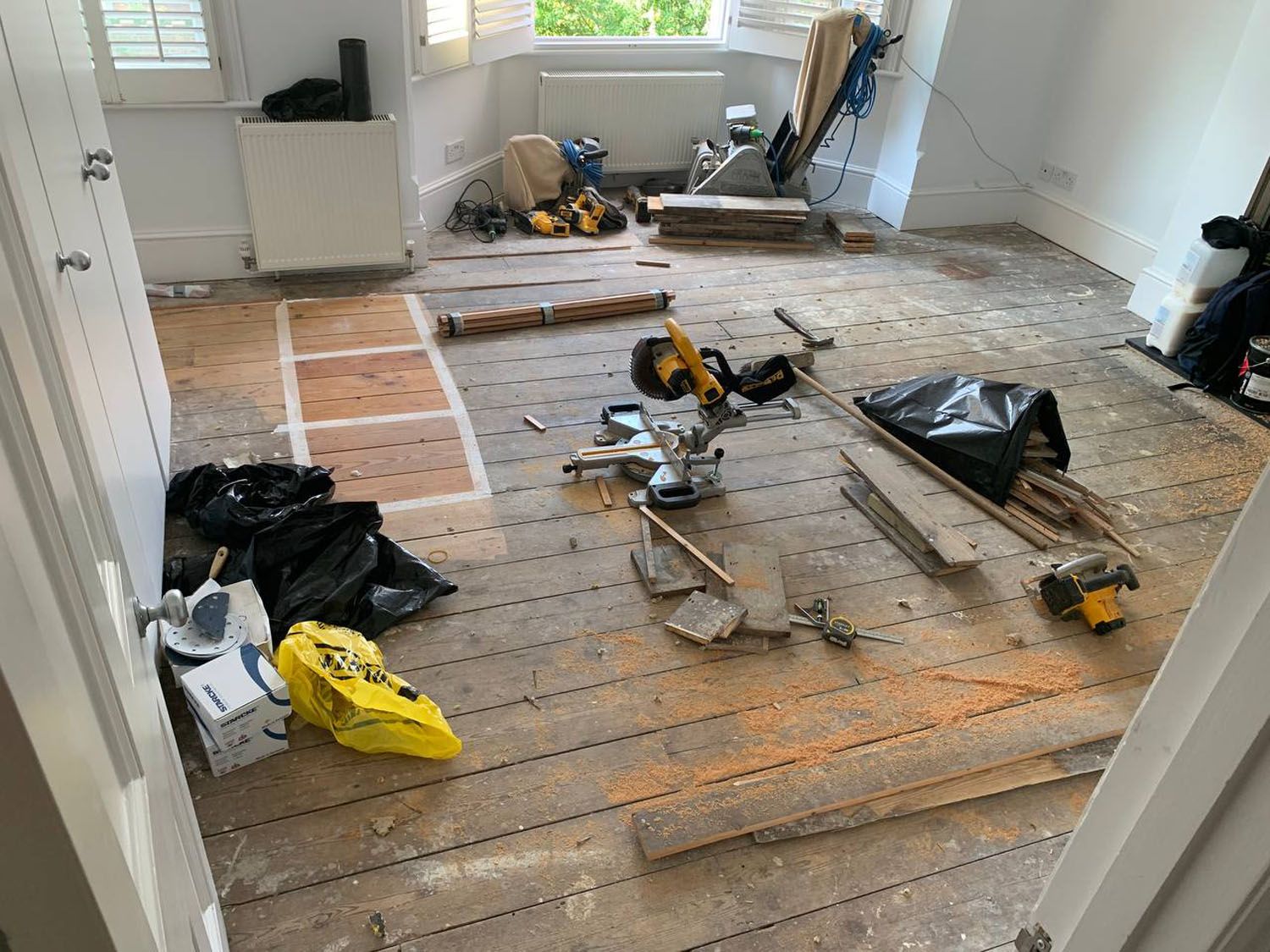
Victorian floors face multiple threats during renovation work. Awareness is the first step toward protection.
- Heavy equipment and materials can crush or dent boards
- Spills of paint, plaster, or adhesive can stain irreversibly
- Dust and debris from other work can scratch and dull finishes
- Temporary flooring or protection can trap moisture, causing rot
- Tradespeople may damage boards when lifting them for access
- Changes to heating or ventilation can cause excessive drying or damp
Before Work Begins
Assess the Floor's Condition
Before any renovation work starts, assess the floor's condition. Identify any existing damage, areas of rot, or woodworm. This baseline helps you track any new damage during the project and ensures you know what you are protecting.
Photograph the Floor
Take detailed photographs of the floor before work begins. These serve as a record of its condition and can be useful for insurance purposes if damage occurs. Close-ups of the best-preserved areas show what you are aiming to protect.
Plan for Protection
Decide on a protection strategy before the first contractor arrives. This is not something to decide on the day. A clear plan ensures everyone on site knows what is expected.
Protection During the Build
Cover the Floor Properly
Temporary floor protection is essential. Use materials that allow the wood to breathe. Solid plastic sheeting traps moisture beneath, creating ideal conditions for mould and rot. Instead, use breathable materials such as heavy-duty paper, timber floor protection boards, or reinforced cardboard.
For high-traffic areas and zones where heavy materials will be moved, consider plywood sheets laid over a breathable underlay. This provides robust protection against impact while still allowing some airflow.
Ensure all joints in the protection material are taped down securely. Loose edges allow dust and debris to get beneath, where they will scratch the floor as people walk over them.
Control Dust
Dust from building work is abrasive. It grinds into the floor finish and can scratch the wood surface. Use dust extraction on power tools. Seal off the work area from the rest of the house with plastic sheeting. Wet dust suppression methods can also reduce airborne particles.
Manage Moisture
Victorian floors are vulnerable to moisture. Wet trades such as plastering, tiling, and screeding introduce significant moisture into the air. Monitor humidity levels and ensure adequate ventilation. Use dehumidifiers if necessary to keep the environment stable.
Spills must be cleaned immediately. Plaster, cement, and paint residues left on the floor will stain and are difficult to remove.
Control Access
Limit access to the floor where possible. Designate walkways with additional protection. Install temporary barriers to prevent heavy equipment from being wheeled across unprotected areas. If possible, keep the floor covered until all messy work is complete.
When Boards Must Be Lifted
Sometimes, renovation work requires lifting original boards—for plumbing, electrical wiring, or structural changes. When this is unavoidable, follow best practices:
- Lift boards carefully, avoiding damage to the tongue and groove
- Number each board and mark its position
- Store lifted boards flat in a dry, stable environment
- Ensure any tradespeople lifting boards understand their value and fragility
- Replace boards promptly, securing them properly
If boards are damaged during lifting, keep them. They can often be repaired or used elsewhere rather than discarded.
Post-Renovation Care
Clean Carefully
After building work concludes, clean the floor carefully. Use a soft brush or vacuum, not a broom that can scratch the surface. Avoid excessive water. Use cleaners specifically formulated for wooden floors.
Assess for Damage
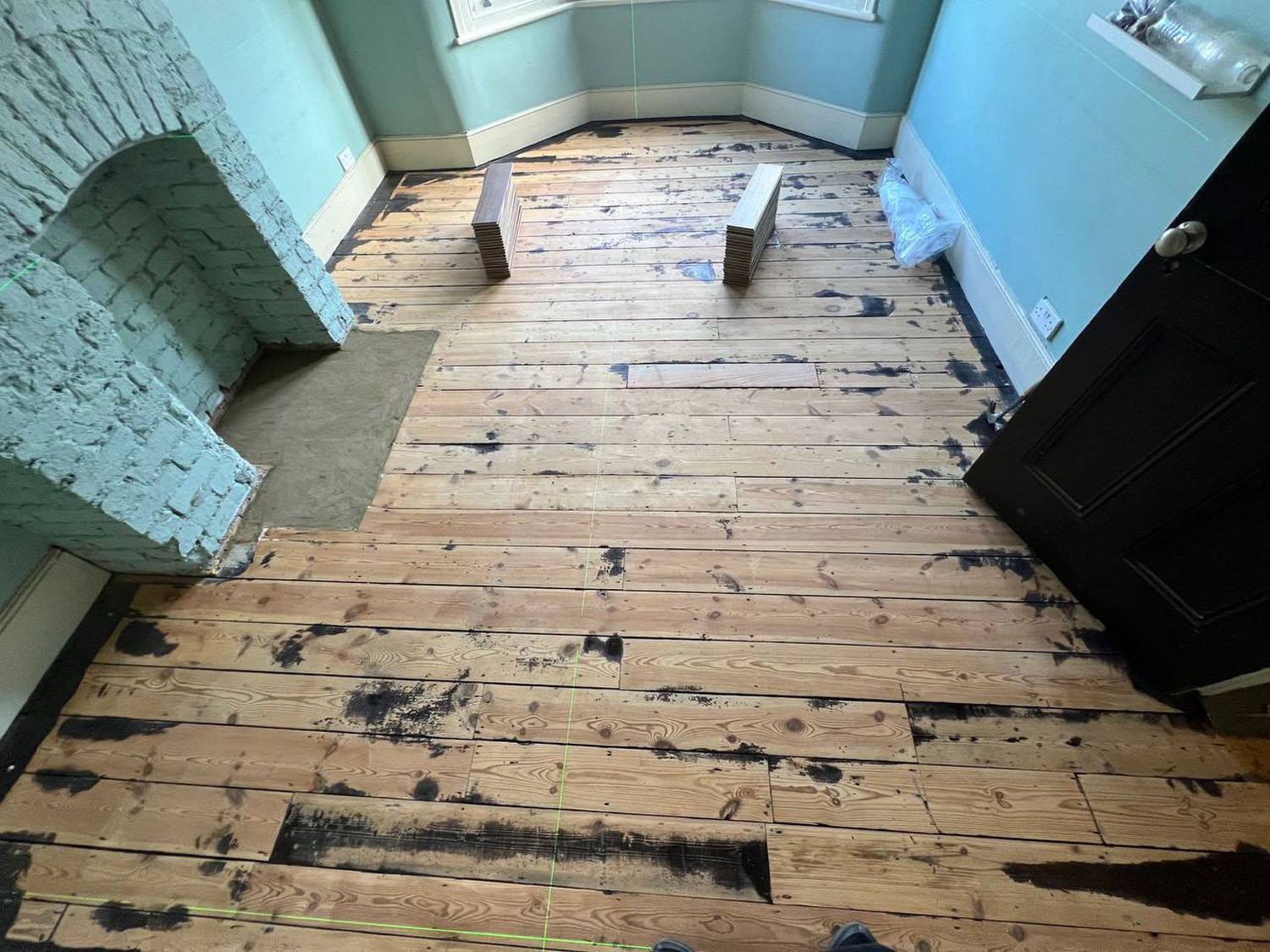
Inspect the floor for any damage that occurred during the build. Note any scratches, stains, or dents. Many minor issues can be addressed with targeted repairs rather than full restoration.
Consider Refinishing
If the floor has suffered wear or damage, a professional refinishing may be appropriate. This can remove surface scratches and refresh the finish without compromising the character of the aged timber.
The Role of Communication
Protecting original flooring during renovation is not just about materials. It is about communication. Ensure every person on site—from the lead contractor to the electrician—understands that the floor is valuable and irreplaceable. Brief them on the protection measures in place and the importance of adhering to them.
If you see something that concerns you, speak up immediately. It is easier to address a small issue than to repair extensive damage later.
When Preservation Is Not Possible
Sometimes, despite best efforts, original flooring cannot be preserved. If the floor is extensively damaged, too thin to sand, or structurally compromised, replacement may be the only option. In these cases, consider using reclaimed Victorian boards to maintain period character. This is not a failure of preservation—it is a practical solution that honours the spirit of the original floor.
Conclusion
Preserving original Victorian flooring during renovation requires planning, care, and communication. Proper protection, controlled access, and awareness of risks can save these irreplaceable features from damage. The reward is a home that combines modern comfort with authentic period character—a floor that continues to tell the story of your home for another century.