
When to Replace Individual Floorboards Instead of Sanding
There's something deeply satisfying about the transformation that comes from sanding a wooden floor. Watching years of scratches, stains, and dullness disappear beneath the sander, revealing fresh timber with that distinctive new-wood scent—it feels like resurrection. But sanding isn't always the answer. Sometimes, despite your best intentions, running a drum sander across the entire floor would be a costly mistake. Individual boards sometimes reach a point where no amount of sanding can save them, and in those cases, replacement becomes the only sensible path forward. Knowing when to switch from restoration to selective replacement can save you money, preserve the integrity of your floor, and prevent bigger problems down the road. This guide helps you recognize those situations where singling out damaged boards makes more sense than refinishing everything.
The Fundamental Limitations of Sanding
Before deciding whether to replace individual boards, it helps to understand exactly what sanding can and cannot fix. Sanding works by removing a thin layer of wood from the entire surface, eliminating surface-level imperfections and exposing fresh material underneath. This process works beautifully for cosmetic issues like surface scratches, light staining, and general wear patterns. It can even handle minor cupping once the wood has dried completely.
However, sanding has hard limits. It cannot restore structural integrity to wood that has been compromised. It cannot eliminate deep rot that extends below the surface. It cannot fix boards that have physically broken or split. And importantly, sanding removes material from every board equally, including the healthy ones. This means that when you have isolated severely damaged boards, sanding the entire floor punishes the good boards while potentially not even solving the problem with the bad ones. In some cases, the damaged boards require such deep sanding to reach clean material that you would sacrifice years of future life from the surrounding floor.
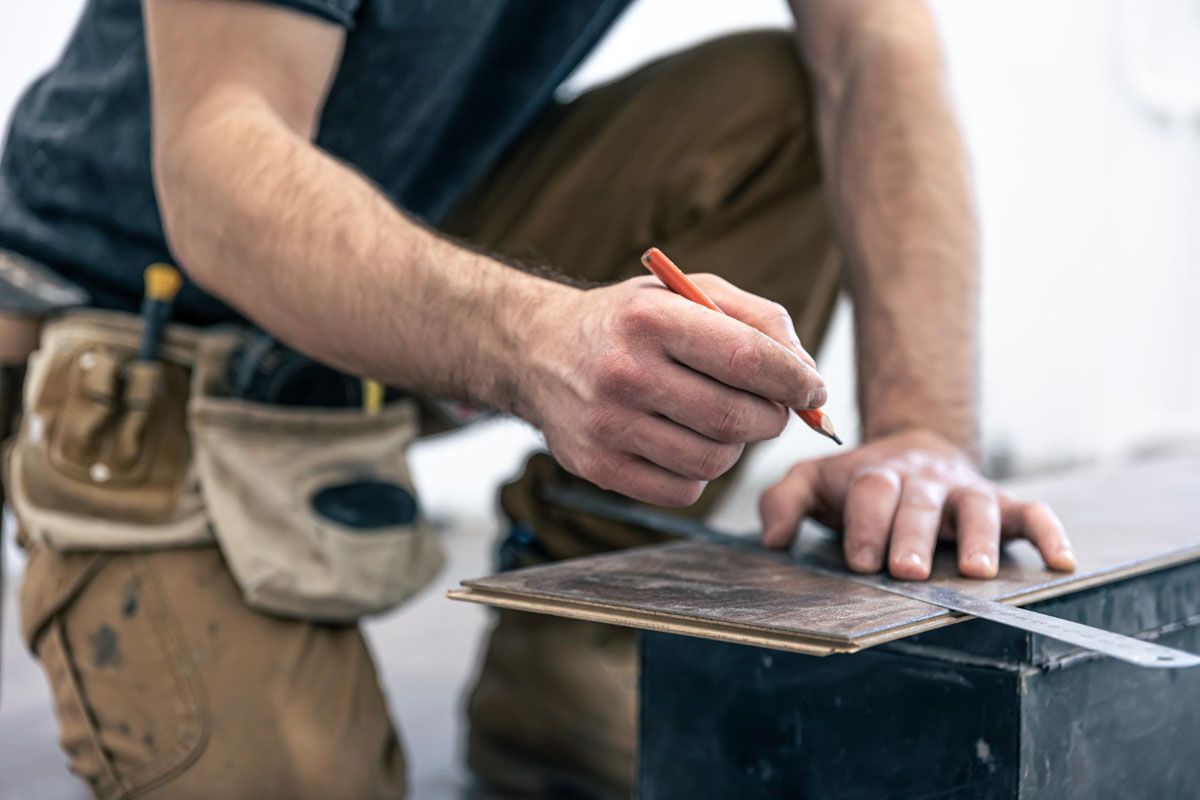
What Sanding Actually Achieves:
- Removes surface scratches and minor abrasions
- Eliminates old finish and prepares for new coating
- Can level slight cupping after proper drying
- Brightens discolored surface wood
- Cannot fix rot, deep cracks, or structural failure
When Individual Replacement Becomes Necessary
Certain conditions simply cannot be resolved through sanding. Recognizing these situations early prevents wasted effort and ensures your floor remains safe and beautiful.
Irreversible Damage Types
Rot stands as the clearest case for replacement. When wood rots, fungal growth breaks down the cellular structure, turning once-strong timber into soft, spongy material. This process cannot be reversed. Sanding might remove the surface discoloration, but it cannot restore the board's internal strength. Rot often extends deeper than it appears, meaning you could sand through a significant portion of the board and still find compromised wood underneath. Worse, leaving rotted boards in place risks spreading spores to adjacent healthy boards, turning a small problem into a large one. Any board with confirmed rot must come out.
Deep cracks and splits present another clear replacement scenario. Wood can develop cracks from impact, from excessive expansion and contraction, or from age-related stress. Surface-level checking might sand out, but cracks that extend deep into the board or run its full length compromise structural integrity. These cracks allow moisture penetration, create weak points that may fail under foot traffic, and cannot be filled convincingly. Attempting to sand such boards often causes the cracks to widen as vibration stresses the weakened wood.
Physical Damage Beyond Repair:
- Boards with visible rot, soft spots, or fungal growth
- Full-length splits or deep cracks penetrating the board
- Sections where the tongue or groove has broken off
- Boards that have lifted and "tented" away from the subfloor
- Areas with severe gouges too deep to sand out without compromising thickness
- Sections damaged by pet urine that has soaked through the board
Pet urine damage deserves special mention. Urine soaks deep into wood, carrying bacteria and odor-causing compounds throughout the board's thickness. Sanding removes the surface where odor might linger temporarily, but warmth or humidity can draw deeper contamination back to the surface, reactivating smells. In severe cases, urine can accelerate wood decay. Replacement is the only reliable solution for boards thoroughly saturated with animal waste.
Structural Considerations
Sometimes the issue isn't the board itself but its relationship to the surrounding structure. Boards that have become loose—that click when walked upon or move slightly under pressure—often indicate problems with the tongue-and-groove connection or the attachment to the subfloor. Sanding cannot resecure loose boards. In fact, the vibration from sanding might worsen the problem. These boards need to be assessed, refastened, or replaced depending on what caused the loosening.
Similarly, boards that have cupped or crowned severely may indicate underlying moisture issues that need addressing. While gentle cupping can sometimes be sanded flat after proper drying, extreme distortion suggests the board has changed shape permanently. Sanding such boards flat would remove so much material that the board becomes too thin, creating a weak spot in your floor. Replacement with a properly dried board of matching thickness preserves the floor's integrity.
Matching Replacement Boards to Existing Flooring
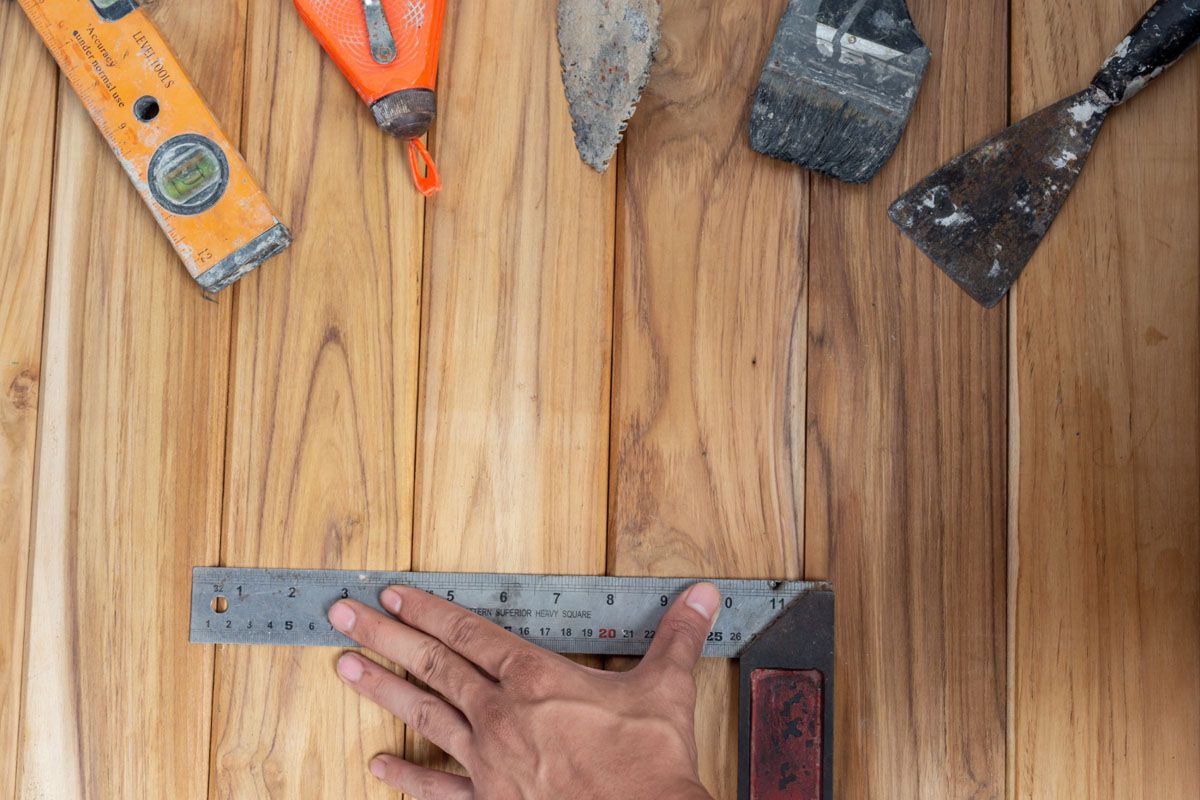
Replacing individual boards introduces its own challenges, primarily around aesthetics. A mismatched replacement board can stand out like a sore thumb, defeating the purpose of restoration. Successful replacement requires careful attention to matching.
Key Factors for Invisible Repairs:
- Wood species must match exactly—oak with oak, pine with pine
- Cut type matters: quarter-sawn, plain-sawn, or rift-sawn boards reflect light differently
- Grain pattern and color should approximate surrounding boards
- Board width and thickness must be identical to maintain level surface
- Age considerations: new wood may need artificial aging to blend with patinated original flooring
The age factor often proves trickiest. New lumber looks obviously new alongside wood that has darkened and developed patina over decades. Skilled restorers employ various techniques to help new boards blend in, from careful stain matching to artificial aging methods that tone down the brightness of fresh wood. Sometimes boards salvaged from other parts of the same house—perhaps from inside a closet—provide the best match because they share the same age and wear history.
When Replacement Leads to Full Restoration
Interestingly, replacing individual boards often precedes a full-floor sanding rather than replacing it. The sequence matters. Skilled restorers will replace damaged boards first, allowing them to be sanded along with the entire floor during the refinishing process. This ensures the new boards sit perfectly flush and receive matching finish. Attempting to replace boards after sanding typically leaves them standing proud of the surrounding floor, requiring localized sanding that may not blend perfectly.
This means that in many cases, the decision isn't strictly replacement versus sanding. It's replacement followed by sanding—using both approaches together for the best outcome. The damaged boards come out, new ones go in, and then the whole floor gets the full sanding treatment that unifies everything under a fresh finish. This combined approach delivers the structural benefits of replacement with the cosmetic benefits of full refinishing.
Cost Considerations
 Money inevitably factors into these decisions. Replacing individual boards costs less than full floor replacement but potentially more than sanding alone, depending on how many boards need attention. The math changes based on board availability. If you have spare matching boards stored away, replacement becomes more affordable. If you must source rare or aged lumber to match, costs rise.
Consider also that sanding an entire floor might cost $3 to $5 per square foot professionally, while individual board replacement might run $100 to $300 per board including materials and labor. For a handful of damaged boards, replacement clearly makes financial sense. For dozens of boards spread across a room, the equation shifts toward full replacement or accepting that sanding alone won't solve the problem.
Factors Influencing Your Decision:
- Number of damaged boards versus total floor area
- Availability of matching replacement material
- Underlying issues requiring subfloor access
- Your timeline and tolerance for disruption
- Long-term plans for the property
- Potential for hidden damage once boards are lifted
The Wisdom of Selective Intervention
Wood floors tell stories through their imperfections—the dent where a heavy object dropped, the faint water ring from a forgotten plant, the worn path showing generations of foot traffic. Some marks add character. Others signal trouble. Learning to distinguish between the two protects your floor's future while honoring its past.
Sometimes the wisest choice involves removing a single story from your floor while preserving all the others. That isolated bad board, replaced carefully and finished to match, disappears into the broader narrative, leaving the floor stronger than before. Sanding would have been easier in the short term, but replacement proves more honest to the floor's long-term health. And in the end, that's what good stewardship of old wood demands—knowing when to refresh and when to renew, when to work with what exists and when to make space for something new that honors the old.