
Edwardian Homes in London: Choosing the Right Floor Finish
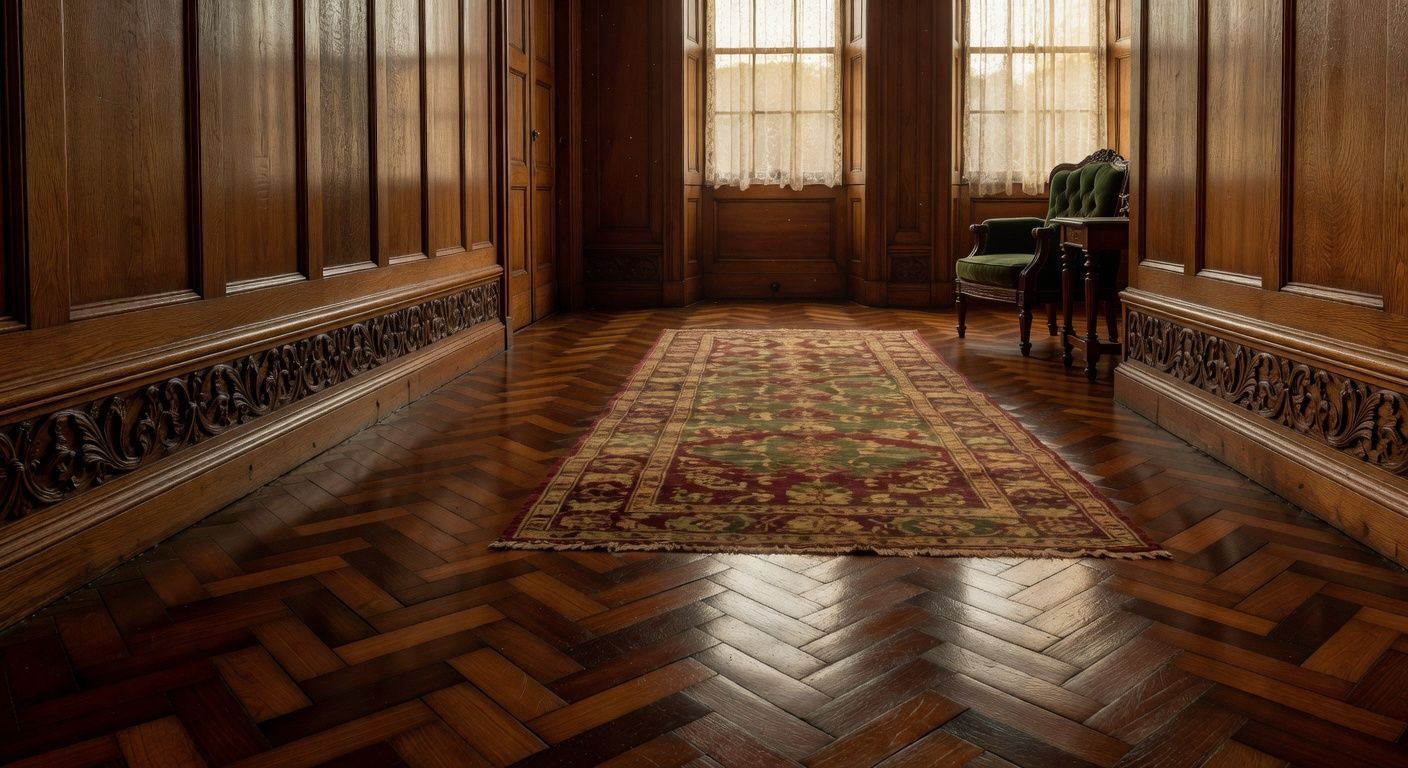
Edwardian homes occupy a special place in London's architectural landscape. Built during the brief reign of King Edward VII from 1901 to 1910, they differ significantly from their Victorian predecessors. Wider hallways, larger windows, and lighter, airier interiors define the Edwardian aesthetic. The floors in these homes reflect this shift. They are typically wider planks—5 to 7 inches across—made of deal, a pale, dense softwood imported from Scandinavia. Original finishes were light: clear wax, pale stains, or limed effects. Choosing the right finish for an Edwardian floor means respecting this history while providing the durability modern life demands.
Understanding Edwardian Floors
Before selecting a finish, understand what you are working with.
Edwardian floorboards are almost always softwood, specifically deal. This wood is paler and slightly denser than Victorian pine. It has less pronounced grain and fewer knots. It was chosen for its uniformity and stability.
The boards are wider than Victorian ones. Where Victorian floors used 3 to 4 inch planks, Edwardian floors typically use 5 to 7 inches. This wider format creates a calmer, less busy appearance that suits the Edwardian preference for spaciousness.
Original finishes were light. Dark walnut and mahogany stains went out of fashion. Clear wax, light oak stains, and liming (white pigment rubbed into the grain) were popular. Some floors were left entirely untreated.
Edwardian floors also tend to be in better condition than Victorian ones. Better construction, improved ventilation, and fewer decades of wear mean they are often flatter, with smaller gaps and more original material remaining.
The Edwardian Aesthetic: Light and Airy
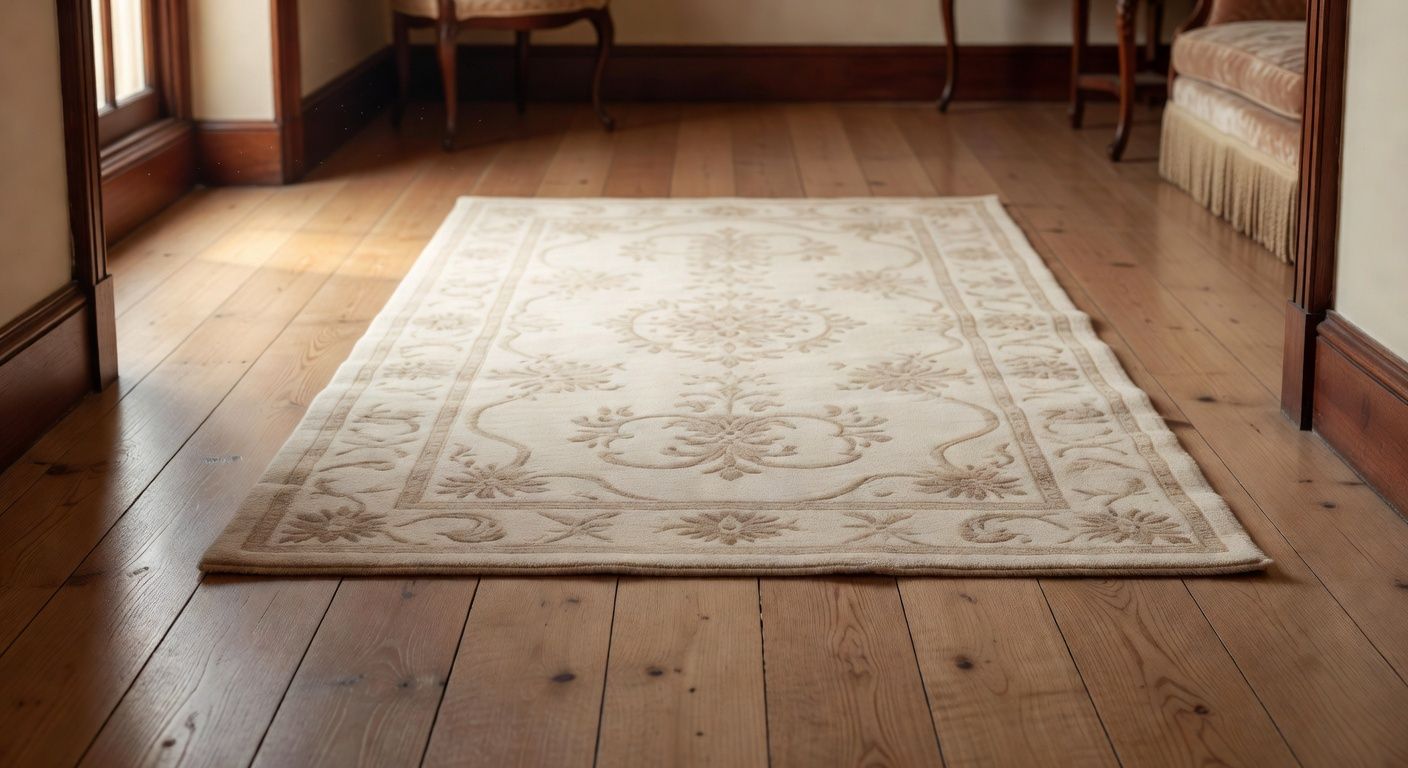
The most important principle when choosing a finish for an Edwardian floor is this: keep it light. Edwardian interiors are about brightness, space, and simplicity. A dark, heavy floor fights against these qualities.
Think of the floor as a foundation, not a focal point. It should provide a warm, natural base that allows other features—fireplaces, windows, wall colours—to shine. A floor that is too dark or too glossy draws attention downward and makes rooms feel smaller and heavier.
Finish Options for Edwardian Floors
Hard Wax Oil (Recommended)
Hard wax oil is the best choice for most Edwardian floors. It penetrates the wood, nourishing it from within, while the wax component creates a resistant surface. The finish is matte, warm, and natural—exactly what Edwardian floors need.
Advantages for Edwardian homes:
- Natural matte appearance that does not look plastic
- Warm feel underfoot
- Breathable, allowing moisture to escape
- Easy spot repairs
- Enhances the pale, natural colour of deal
- Available in clear or with subtle white pigments for a limed effect
Application involves applying the oil with a roller or pad, allowing it to penetrate, and buffing off excess. Two or three coats are typical. Maintenance requires re-oiling high-traffic areas every year or two.
Traditional Wax
For the most authentic Edwardian finish, traditional wax is hard to beat. Edwardian homeowners would recognise it immediately. Wax produces a soft, low-sheen finish that feels warm and natural.
Advantages:
- Completely authentic appearance
- Very matte, no plastic look
- Easy to apply and repair
- Allows the wood to breathe
Disadvantages:
- Requires regular maintenance (re-waxing every 6 to 12 months)
- Limited protection against spills and scratches
- Not suitable for kitchens or very high-traffic areas
- Traditional wax works best in formal living rooms, dining rooms, and bedrooms where traffic is moderate and spills are rare.
Limed and White Finishes
Liming was popular in the Edwardian era. The technique involves rubbing white pigment into the open grain of the wood, creating a pale, beachy appearance. Modern versions include white oils and white hard wax oils.
Limed finishes are particularly suitable for Edwardian homes because they enhance the light, airy character. They work best on deal, which has enough grain to hold the pigment but is not so knotty that the effect becomes chaotic.
Advantages:
- Very authentic to the Edwardian period
- Maximises brightness in the room
- Hides wear and scratches effectively
- Creates a distinctive, characterful appearance
- Consider a limed finish if your home has good natural light and you want a floor that makes a quiet statement.
Matte Lacquer
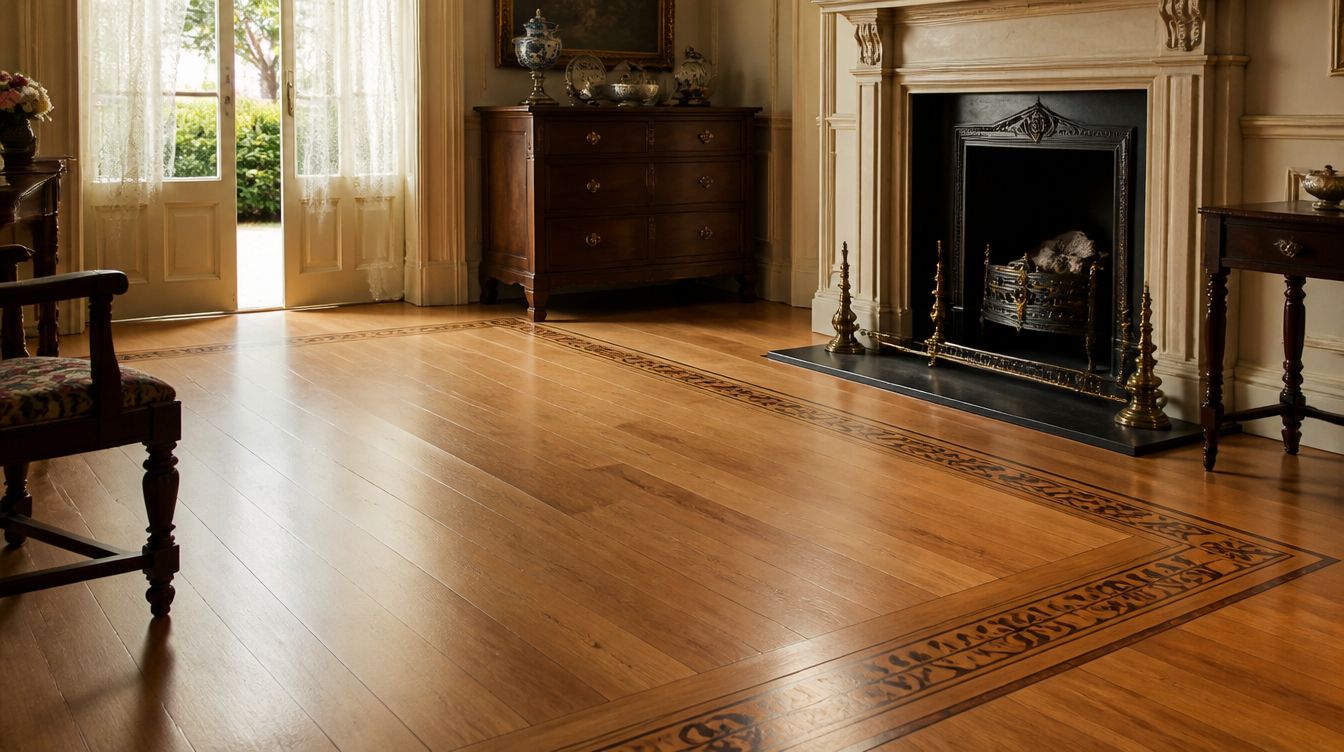 Matte lacquer offers durability and low maintenance. Modern water-based lacquers can achieve a reasonably natural appearance, though they never look or feel like oil or wax.
Advantages:
- Excellent durability
- No regular maintenance needed
- Quick drying
- Good stain resistance
Disadvantages:
- Still looks like a coating, not natural wood
- Feels cool underfoot
- Difficult to repair (full re-sand required)
- Can peel if moisture gets underneath
If you choose lacquer, select a matte finish. Satin or gloss lacquers look entirely wrong on Edwardian floors.
What to Avoid
- High-gloss finishes: Gloss creates reflections and a plastic appearance that fights against Edwardian simplicity.
- Dark stains: Walnut, mahogany, and dark oak belong in Victorian homes, not Edwardian ones.
- Heavy coloured stains: Anything that obscures the natural pale colour of deal is probably wrong.
- Thick plastic-looking coatings: Edwardian floors should look like wood, not like wood covered in plastic.
Matching the Finish to the Room
Different rooms have different needs. Consider how each space is used.
- Living rooms. Hard wax oil in a clear or light natural tone. These rooms benefit from the warmth and authenticity of oil. Traffic is moderate enough that maintenance is manageable.
- Dining rooms. Hard wax oil or traditional wax. Spills are a risk, so oil offers better protection. But a well-waxed floor can handle dining if spills are wiped promptly.
- Hallways. Hallways see the most traffic. A durable hard wax oil or a high-quality matte lacquer may be more practical here. If using lacquer, keep it matte.
- Bedrooms. Traditional wax or hard wax oil. These low-traffic spaces can support the most authentic finishes.
- Kitchens. If you have Edwardian floors in a kitchen, consider practical durability. Hard wax oil with regular maintenance or matte lacquer. Be prepared for more frequent refreshing.
The Impact of Underfloor Heating
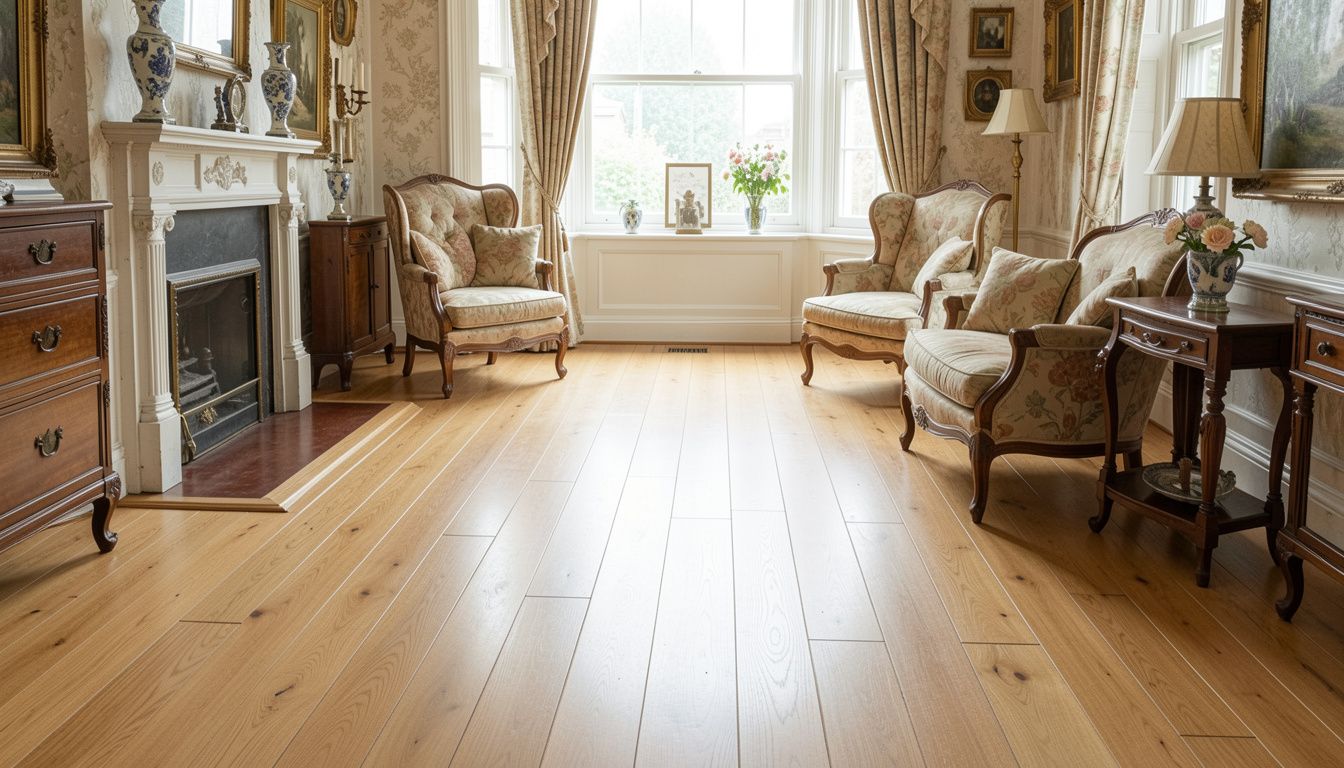 Many Edwardian homes in London now have underfloor heating installed. This affects finish choice.
Oils and hard wax oils perform well with underfloor heating. They remain flexible and accommodate thermal movement. Traditional wax also works but may require more frequent reapplication.
Lacquers can be used but must be specifically formulated for underfloor heating. Standard lacquers may crack as the floor expands and contracts.
Always check manufacturer recommendations before applying any finish over underfloor heating.
Testing Before Committing
Before applying any finish to the entire floor, test it. Choose an inconspicuous area—inside a closet or under where furniture will sit. Apply the finish according to manufacturer instructions. Observe how it looks in different lights, at different times of day.
What looks beautiful in a showroom may look wrong in your home. Testing prevents expensive mistakes.
Professional Application
Applying finish to an Edwardian floor is not difficult, but it requires care. Professionals achieve better results for several reasons:
- They have commercial-grade applicators that apply finish evenly
- They know how to avoid lap marks and puddling
- They understand drying times and recoat windows
- They can achieve the right sheen consistently across the entire floor
For expensive finishes and large areas, professional application is worth the cost.
Maintaining Your Edwardian Floor Finish
Whatever finish you choose, maintenance determines how long it lasts.
For oiled floors: Clean with a dry or damp microfiber mop. Use manufacturer-recommended cleaners. Re-oil high-traffic areas annually or when water stops beading.
For waxed floors: Buff periodically with a soft cloth or buffing machine. Re-wax every 6 to 12 months.
For lacquered floors: Clean with appropriate products. Avoid steam mops and excessive water. When the lacquer wears thin, the entire floor needs re-sanding and re-coating.
Conclusion
Edwardian floors are special. Their wide planks, pale deal wood, and light, airy character deserve finishes that enhance rather than fight them. Hard wax oil in clear or light natural tones is usually the best choice, offering authenticity, durability, and practicality. Traditional wax provides the most authentic appearance for low-traffic rooms. Limed finishes create a distinctive Edwardian look that maximises brightness. Matte lacquer offers low maintenance but sacrifices some authenticity.
The guiding principle is simple: keep it light. Edwardian homes are about space and air. Your floor should support that vision, not compete with it. Choose a finish that honours the era, protects the wood, and makes your home feel as bright and welcoming as the Edwardian builders intended.