Surface Scratches vs Deep Gouges: What Type of Wood Floor Repair Do You Need?


A scratch on a wood floor can be a minor cosmetic issue or a sign of deeper damage—and the right repair depends entirely on which one you are dealing with. A light surface scratch that only affects the protective finish may be treatable in minutes, while a deep gouge that has removed timber may require filling, colour matching, or even replacing a board. This guide explains how to identify the depth of the damage, how floor type changes the approach, and when local repair is enough versus when professional wood floor repairs or a full room sanding are needed.
Wood floors are built in layers, and the depth of the damage determines which layers are affected. The top layer is the protective finish—lacquer, oil, hard wax oil or varnish. Beneath that is the stain or colour layer, if the floor has been stained. Below that is the timber surface itself, and finally the structural timber that gives the floor its strength. A scratch that stays within the finish is a different problem from a gouge that has cut into the timber. Before choosing a repair, identify how deep the damage goes.
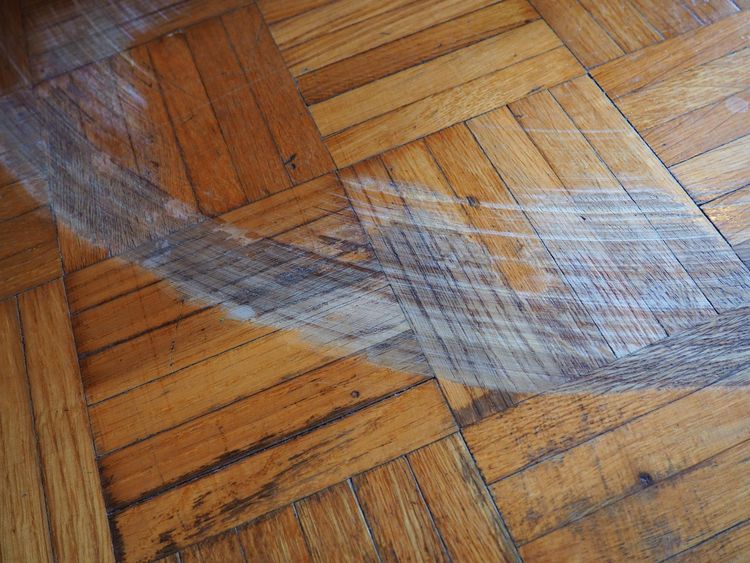
A surface scratch is damage limited to the protective finish. It may be visible only at certain angles, especially when light catches it. It does not catch a fingernail strongly, and the colour underneath remains unchanged because the timber itself has not been exposed. Surface scratches are common in high-traffic areas and are often caused by grit, pet claws, or furniture movement. They are the easiest type of damage to treat, often with a maintenance coat or a localised polish.

A deep scratch penetrates the finish and reaches the timber. The key signs are:
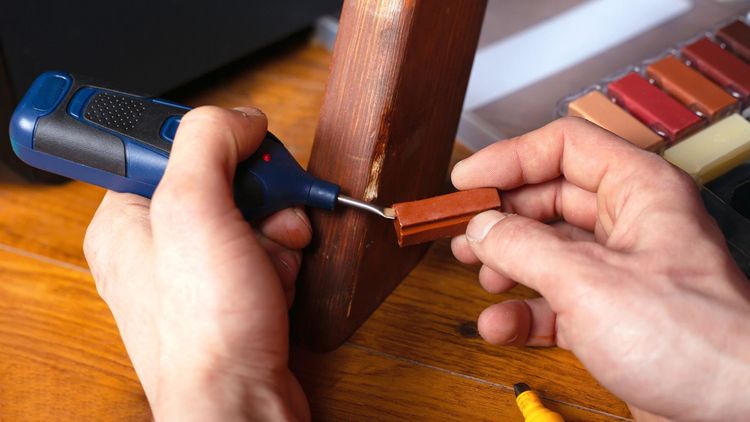
Repair usually involves filling and colour matching, and the result depends on how well the repair blends with the surrounding floor.
A gouge is more than a scratch: material has been removed, leaving an indentation. The fibres around the damage may be crushed, and the edges of the gouge may be raised. Gouges often result from heavy impacts, dropped tools, or moving appliances. Because timber has been lost, a gouge cannot simply be polished out—it needs to be filled, and in severe cases the affected board may need to be replaced.
| Damage Type | Depth | Fingernail Test | Visible Timber? | Typical Repair |
|---|---|---|---|---|
| Surface scratch | Finish only | Does not catch | No | Maintenance coat, local polish |
| Deep scratch | Through finish into timber | Catches | Yes, often a line | Fill, colour match, local sanding |
| Gouge | Material removed, indentation | Catches strongly | Yes, with crushed fibres | Fill, blend, sometimes replace board |
Applying random household oils can contaminate the finish and seep into bare timber, making future repairs harder. Always use products designed for the specific floor finish.
Dark markers may look better for a day, but they often stain the timber and are difficult to remove. Colour matching should be done with proper repair materials, not improvised solutions.
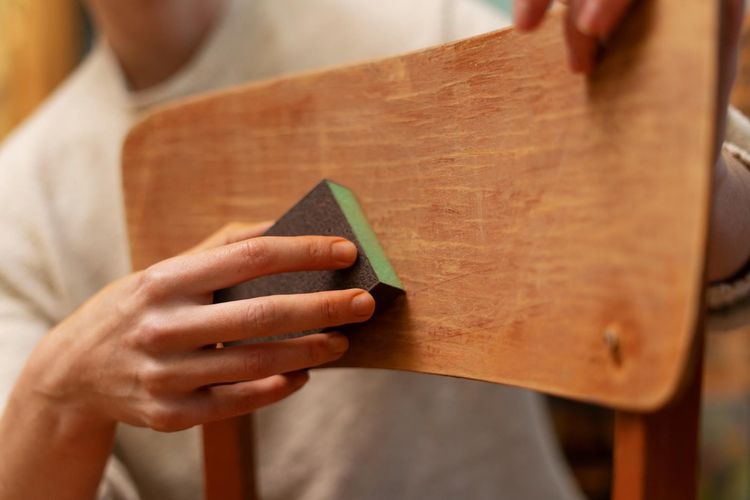
Aggressive spot sanding can leave a visible dip in the floor or, on engineered wood, go straight through the wear layer. Local repairs should be gentle and controlled.
Soaking a scratch or gouge with water or harsh cleaners can swell the timber and cause further distortion. Excess moisture is one of the most common causes of permanent floor damage.
Internet hacks—like rubbing a walnut over a scratch—may help a tiny surface mark but will not fix a deep scratch or gouge. Some leave residue that interferes with proper repair.
Always identify the finish before attempting any treatment. Applying the wrong product to lacquer, oil or hard wax oil can ruin the surface and turn a minor repair into a full refinish.

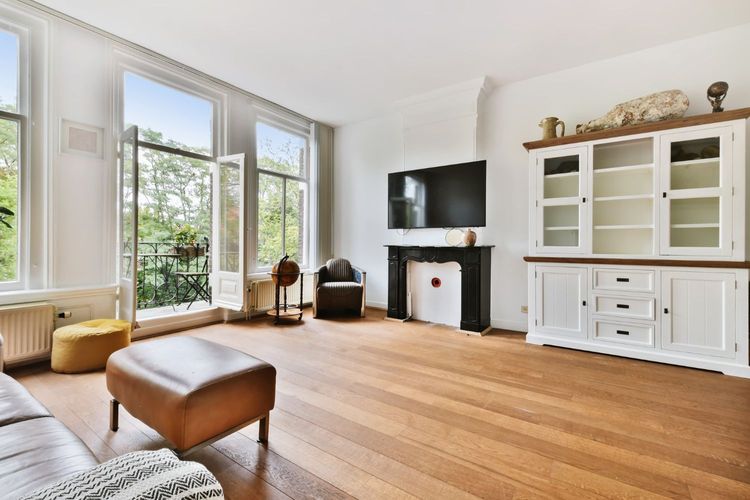
Yes—the floor type affects what is safe and effective. Solid wood floors have the most flexibility because they can be sanded and refinished multiple times. Engineered wood has a thin wear layer of real timber over a core, so sanding is limited to the thickness of that layer; aggressive sanding can go through it. Parquet is made of small blocks or strips, and repairs may need to follow the pattern. Pine boards are softer and mark more easily, but they can often be repaired and refinished. Laminate is not timber and cannot be sanded; damaged laminate usually needs to be replaced.
For engineered wood especially, the remaining wear layer determines whether sanding is possible at all. A professional assessment should measure the wear layer before any floor sanding in London is proposed.
Local repair is appropriate when the damage is isolated to a small area, the finish is compatible, and a good colour match can be achieved. If the surrounding floor is in good condition and the damage is limited to a few scratches or a single gouge, a localised repair can be faster and less disruptive than sanding the whole room. The key is to avoid aggressive spot sanding, which can leave a visible dip or patch. A professional will often use a combination of filling, colour matching, and a localised topcoat to blend the repair.
Sometimes local repair is not enough. If there are many scratches across the floor, if the coating is worn through in multiple areas, if there is a large colour discrepancy between repaired and original areas, or if the floor has undergone extensive UV changes, a full sand and refinish may be the better option. Old finishes that cannot be blended—such as certain lacquers or varnishes—may also require a full sand. The decision should be based on the overall condition of the floor, not just the single damaged spot.

A board should be replaced when the damage is structural. In the context of wood floor restoration, replacement is usually the last resort, reserved for cases where repair cannot deliver a durable result. The main indicators are:
In these cases, replacing the board—ideally with matching reclaimed or new timber—is the more durable solution. The replacement board should be matched for species, width, thickness, grain and colour, and then blended into the surrounding floor.
Surface scratches, deep scratches and gouges are not the same problem, and they do not call for the same repair. Identifying the depth of the damage is the first step: a finish-only scratch can often be treated with a maintenance coat, while a deep scratch or gouge that has exposed or removed timber needs filling, colour matching and possibly local sanding. Floor type matters too—solid wood offers more flexibility, engineered wood has a limited wear layer, and laminate cannot be sanded at all. A professional assessment should confirm what is safe before any work begins.
Local repair is often enough when the damage is isolated and the finish can be matched. But when scratches are widespread, the coating is worn through, or the colour discrepancy is too large, a full sand and refinish may be the better investment. A board should be replaced only when the damage is structural—deep splits, crushed fibres, water damage or excessive thickness loss. Avoiding household oils, dark markers, aggressive spot sanding and internet hacks will make any repair more successful and longer lasting.