
How Many Times Can a Solid Wood Floor Be Sanded?
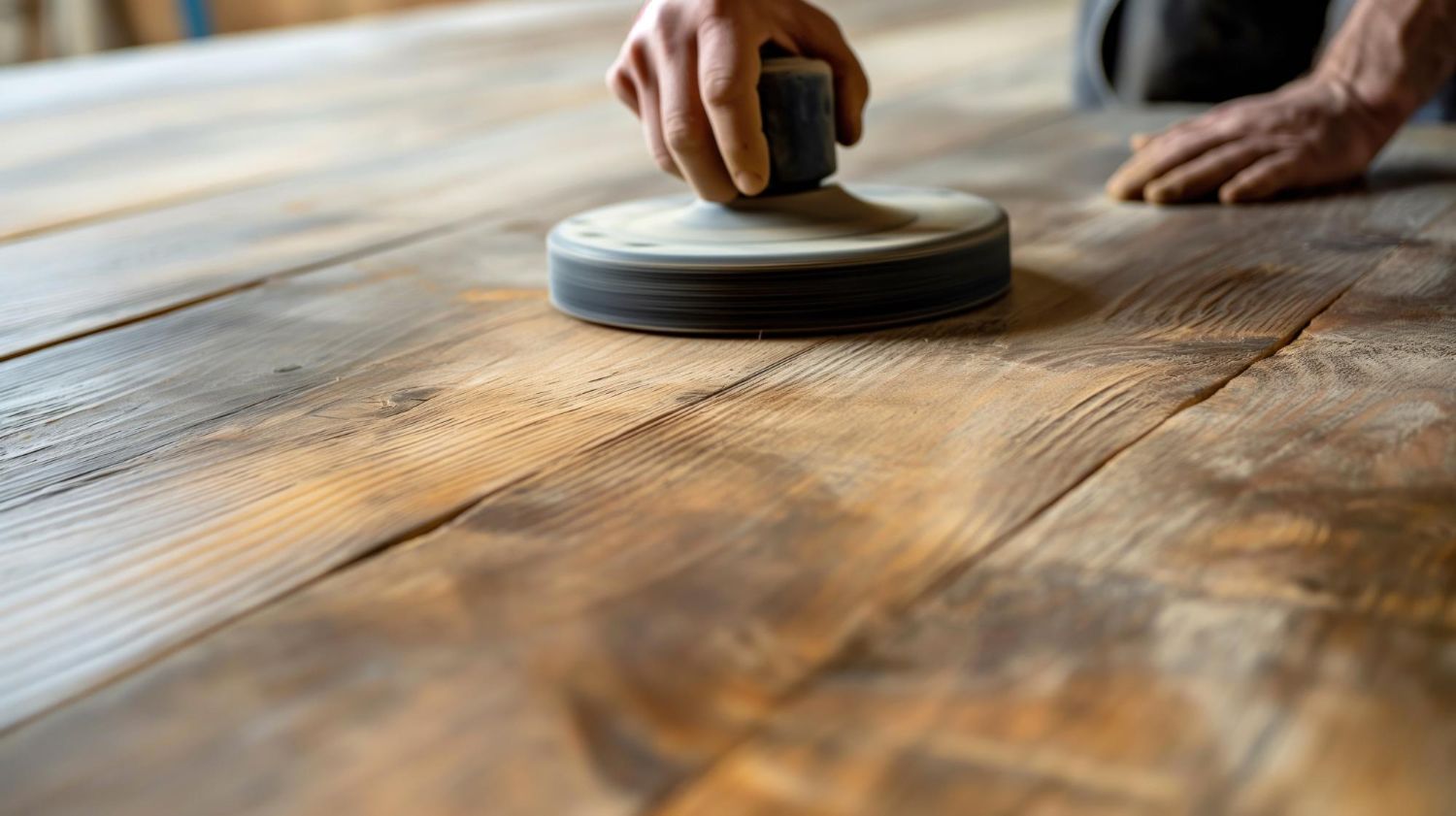
Solid wood flooring is one of those rare home features that actually improves with age. Unlike carpets that trap dust or tiles that can crack, wooden floors develop a character all their own—scuffs from family life, gentle fading near windows, and a patina that tells the story of decades of footsteps. But what happens when those stories start to look more like wear and tear? Sanding is the magical reset button for wood floors, stripping away the years to reveal fresh timber underneath. Yet this transformation comes with a catch: you can only hit that reset button so many times before there's nothing left to reveal. The question of how many sandings a solid wood floor can survive isn't straightforward, but understanding the answer could mean the difference between floors that last centuries and floors that end up in a skip.
What Lies Beneath Your Feet
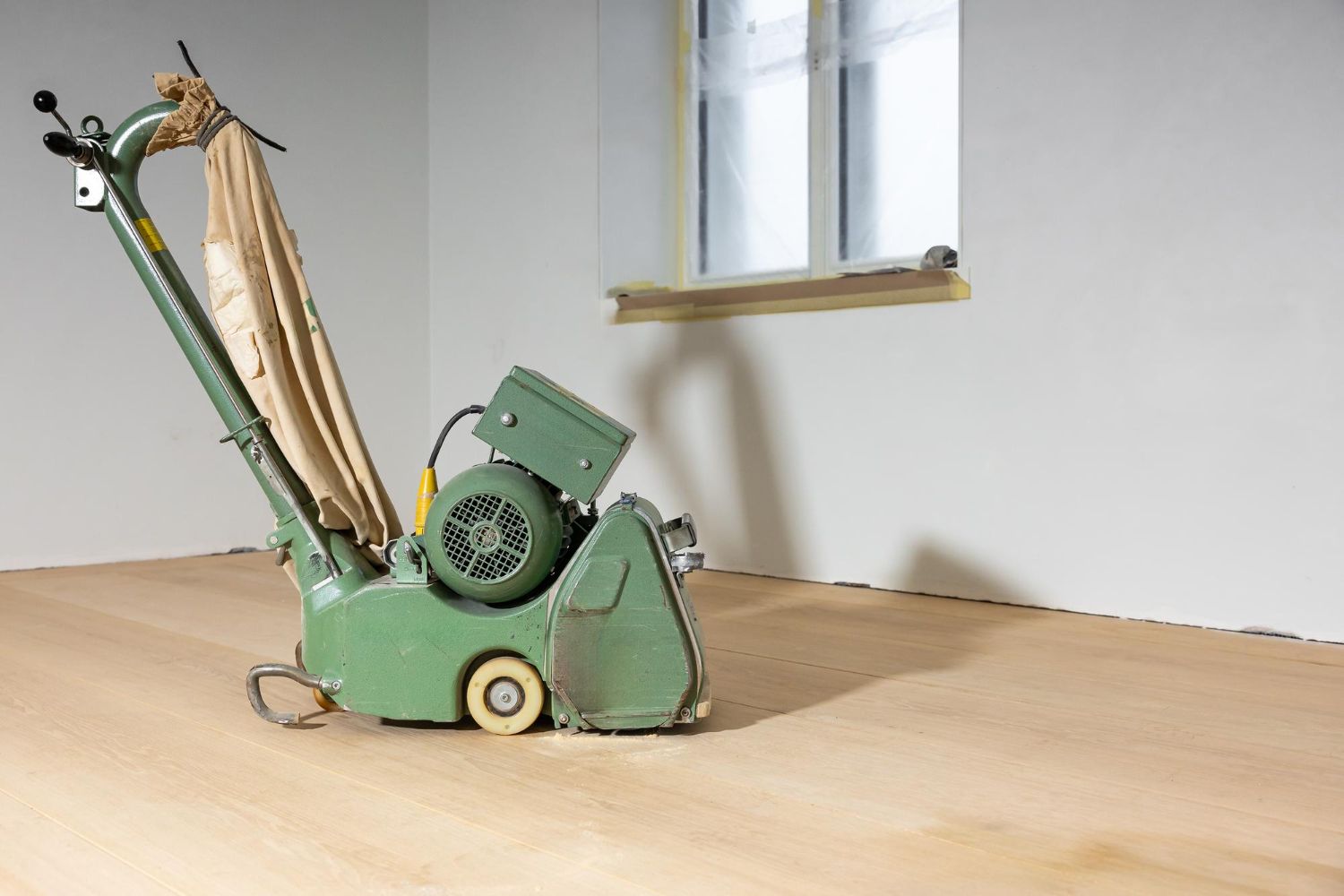
Before diving into numbers, it helps to understand what your floor is actually made of. Solid wood flooring differs fundamentally from its engineered cousin. While engineered floors feature a thin veneer of expensive wood glued over plywood, solid wood is the real deal—one continuous piece of timber from top to bottom. This gives it a massive advantage: the entire board is the same material throughout, meaning you can sand deeper without hitting a different layer.
However, not every millimeter of that board is available for sanding. Look closely at a floorboard and you'll notice it's not a simple rectangle. The sides feature a tongue on one edge and a groove on the other, interlocking like puzzle pieces to create a stable surface. This tongue-and-groove mechanism is the floor's structural backbone. Above it sits the sacrificial layer—the portion you can safely remove. Sand too deep, and you'll compromise the tongue, causing boards to loosen and the floor to fail. Think of it like sharpening a knife: you can do it many times, but eventually the blade becomes too thin to be useful.
The Hidden Architecture of Your Floor:
- The visible surface takes the daily punishment from feet, furniture, and pets
- The tongue-and-groove system runs along each board's edges, holding everything together
- The main body provides mass and stability beneath the surface
- The bottom rests on subflooring, transferring weight to the house structure
What Really Determines Sanding Longevity
The number of times you can sand a solid wood floor isn't written in some universal rulebook. It emerges from a combination of factors unique to your specific installation. Understanding these variables helps you gauge your floor's remaining potential.
Starting Thickness Matters Most
When floor fitters install solid wood, they're not just thinking about today—they're thinking about decades ahead. Thicker boards cost more initially but pay dividends through multiple restoration cycles. Standard strip flooring typically comes in ¾-inch thickness, though you'll find everything from skinny ½-inch boards to substantial planks exceeding a full inch. That extra quarter-inch might not sound like much, but spread across four or five sandings, it represents the difference between floors that outlive you and floors that need replacement in your lifetime. If you're installing new flooring and hope to stay in your home for decades, splurging on thicker boards is one of the smartest investments you can make.
Wood Species Dictates Wear Patterns
Not all trees are created equal when it comes to flooring. Dense hardwoods like oak, maple, and hickory laugh at daily abuse that would leave softwoods scarred and dented. This hardness affects sanding in two opposing ways. First, harder woods resist wear between sandings, meaning you'll need to refinish less often. A maple floor in a busy hallway might go fifteen years between sandings, while pine in the same location might need attention every eight years. Second, hardwoods require more aggressive sanding techniques—the extra resistance means sanders sometimes need to work longer or use coarser grits, potentially removing slightly more material each time. Softwoods, conversely, cut easily, tempting inexperienced sanders to remove too much too quickly. The species beneath your feet fundamentally shapes your floor's lifespan.
Each Sanding Removes a Different Amount
Here's where things get variable. A light refresh sanding might remove barely a millimeter, just enough to scuff the existing finish and apply new coating. A full restoration tackling deep scratches, water stains, or pet damage could remove three or four times that amount. The condition of your floor when you decide to sand directly impacts how many future sandings remain. This creates a fascinating dynamic: homeowners who maintain their floors well, addressing spills immediately and using protective pads under furniture, preserve more material for future restorations. Those who let scratches accumulate and stains set in may need aggressive sanding that consumes years of future life in a single session.
History Hides in Plain Sight
Moving into an older home means inheriting its floor's history—including every previous sanding. That charming Victorian terrace with original boards might have been sanded three times already, each one removing material and bringing those boards closer to their structural limit. Spotting this history requires detective work. Check where the floor meets baseboards and door frames. If there's a noticeable gap between the floor and the bottom of door casings, or if the floor sits significantly lower than the baseboard's bottom edge, you're looking at evidence of past sandings. In extreme cases, you might find that thresholds between rooms have been undercut repeatedly to accommodate a sinking floor level. These visual clues tell the story of your floor's past and hint at its remaining future.
Reading the Warning Signs
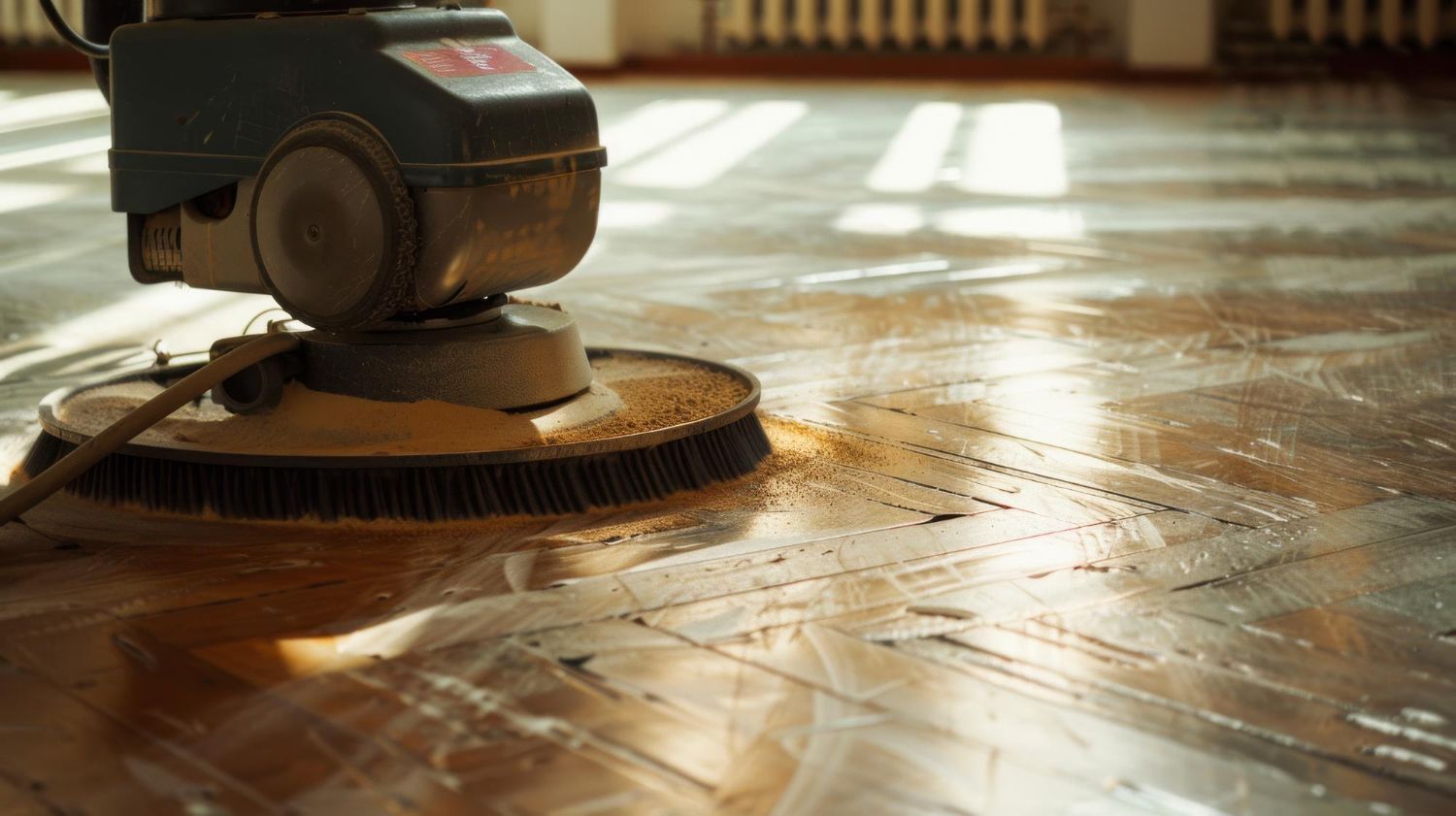 Knowing when to stop sanding is as crucial as knowing how to start. Floors communicate their limits through unmistakable signals—you just need to know what to look for.
Danger Signs That Sanding Must Stop:
- Nail heads suddenly appearing on the surface like freckles across the wood
- The edges between boards cracking or splintering during sanding
- Individual boards feeling springy or moving underfoot
- The tongue becoming visible along board edges
- Floor height sitting dramatically below original trim levels
Nail head emergence is perhaps the clearest warning. Those nails were driven through the tongue during installation, sitting safely below the surface for decades. As sanding removes layer after layer, they creep upward. When they finally break through, they're telling you the floor has thinned to its structural minimum. Continuing would risk exposing more nails, damaging sanding equipment, and compromising the boards' integrity.
Another telling sign involves board movement. A properly thick floor feels solid and unyielding. When boards start flexing under weight, it means they've lost the rigidity that comes with adequate thickness. This flexibility stresses the tongue-and-groove joints, potentially causing cracks and separation. If you feel bounce or see boards lifting slightly when walked upon, your floor is pleading for retirement, not another sanding.
The Consequences of Pushing Too Far
Sanding beyond safe limits doesn't just ruin your floor—it creates expensive problems. The most immediate issue is tongue damage. Those interlocking joints become fragile when the wood above them disappears. A broken tongue means a loose board, and loose boards multiply as adjacent boards lose support. Soon you're looking at a floor with visible gaps, unstable footing, and boards that click and move with every step.
Then there's the nail problem. Exposed nails aren't just ugly—they're hazardous to both people and equipment. Running a drum sander over protruding nails damages the sandpaper, creates sparks, and can even throw the machine off balance, creating an uneven sanding job. Some homeowners discover exposed nails the hard way, through painful barefoot encounters.
At its worst, over-sanding creates a floor too thin to function. Boards may crack under normal walking loads. Temperature and humidity changes cause excessive movement since there's insufficient mass to resist expansion and contraction. Eventually, you face the same outcome you were trying to avoid: complete floor replacement, but now with the added expense of dealing with a compromised surface.
Making Your Sandings Last
Given that every solid wood floor has a finite number of sandings, stretching the intervals between them makes excellent financial sense. A little prevention today preserves material for tomorrow.
Smart Strategies for Extended Floor Life:
- Place quality doormats at every entrance—grit is sandpaper for your floor
- Install felt pads under all furniture legs, checking them periodically for wear
- Clean with microfiber tools and products specifically formulated for wood floors
- Ban standing water and steam mops entirely—moisture is wood's enemy
- Maintain indoor humidity between 35-55% year-round to minimize movement
- Keep pet nails trimmed short to prevent scratching
- Rotate rugs and furniture occasionally to ensure even wear patterns
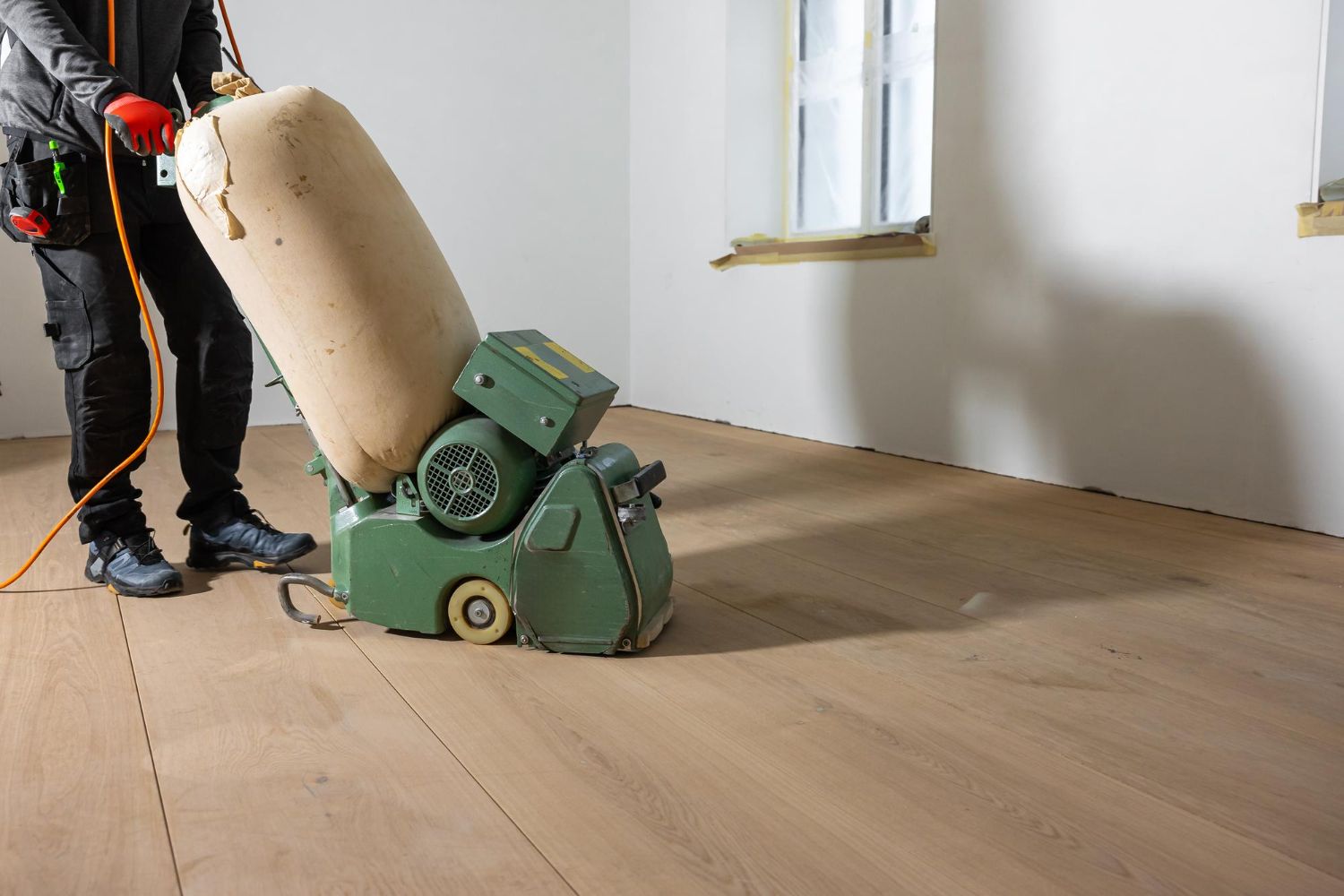 When sanding finally becomes necessary, professional expertise matters enormously. Experienced floor sanders carry mental maps of different wood species, understanding how oak responds differently from maple or pine. They use moisture meters to check wood condition and thickness gauges to measure remaining material. Most importantly, they know when to stop—when a floor needs gentle refreshing rather than aggressive stripping. This judgment preserves precious millimeters that extend your floor's life by years or even decades.
DIY sanding tempts many homeowners with promises of savings, but the risks are substantial. Amateurs often linger too long in one spot, creating dips and hollows. They might use inappropriate grit sequences, removing too much material unnecessarily. Some simply don't recognize the warning signs until damage is done. Given that a single over-aggressive sanding can consume material equivalent to two careful professional sandings, the short-term savings often vanish in long-term costs.
A Floor for Generations
Solid wood flooring occupies a special place in our homes precisely because it can last so long. Unlike disposable flooring materials designed for replacement every decade or two, wood offers the possibility of permanence. Floors laid a century ago still serve homes today, their surfaces worn smooth by countless feet but their structure intact. These survivors exist because someone along the way understood the balance—maintaining well between sandings, calling in professionals when work was needed, and knowing when a floor had given all it could.
Your floor's ultimate lifespan depends on choices you make today. The thickness you select, the maintenance routine you follow, the professionals you hire, and your willingness to recognize limits all shape how many times you'll refresh that surface. With wisdom and care, your solid wood floors might serve not just your lifetime, but your children's and grandchildren's too. That's the real magic of wood—given half a chance, it outlasts us all.