
How Dusty Is Floor Sanding? What to Expect and How Modern Dust-Free Systems Work
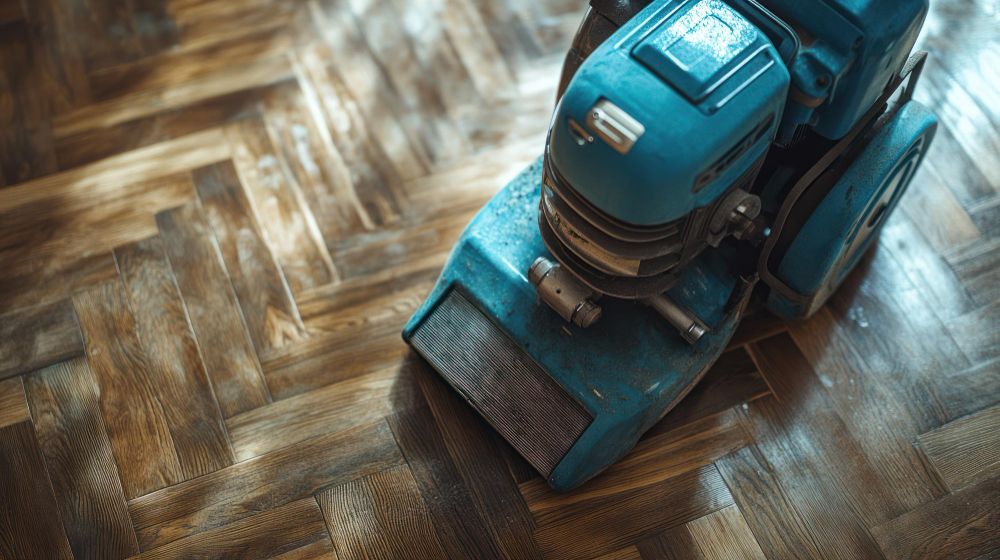
Floor sanding has a reputation. For decades, the image of this process has been inseparable from clouds of fine dust settling on every surface, seeping into cupboards, and lingering in the air for days. Anyone who remembers having a floor sanded in the 1980s or 1990s will recall the ritual of sealing off rooms, draping furniture in plastic sheets, and accepting that a deep clean would follow. But the industry has changed dramatically. Modern dust-free systems have transformed floor sanding from a messy ordeal into a surprisingly clean operation. This article explains exactly how dusty floor sanding really is, what you can expect during the process, and how contemporary dust-extraction technology works. It also addresses vibration concerns and whether sanding could damage a neighbour’s ceiling.
How Dusty Is Floor Sanding? The Honest Answer
The honest answer depends entirely on the equipment used. Traditional sanding without dust extraction is extremely dusty. Fine wood dust becomes airborne and settles everywhere—on surfaces, inside electronics, between pages of books. This dust is not just inconvenient; it can irritate lungs and eyes, and it requires extensive cleaning after the job.
Modern floor sanding with professional dust-free systems is a completely different experience. When operators use sanders connected to industrial vacuum units with HEPA filtration, visible dust during sanding is minimal. You might notice a fine residue on surfaces immediately adjacent to the work area, but widespread dust clouds are eliminated. The process is not entirely dust-free—no system captures 100% of particles—but it approaches 99% capture efficiency on well-maintained equipment.
What Affects Dust Levels
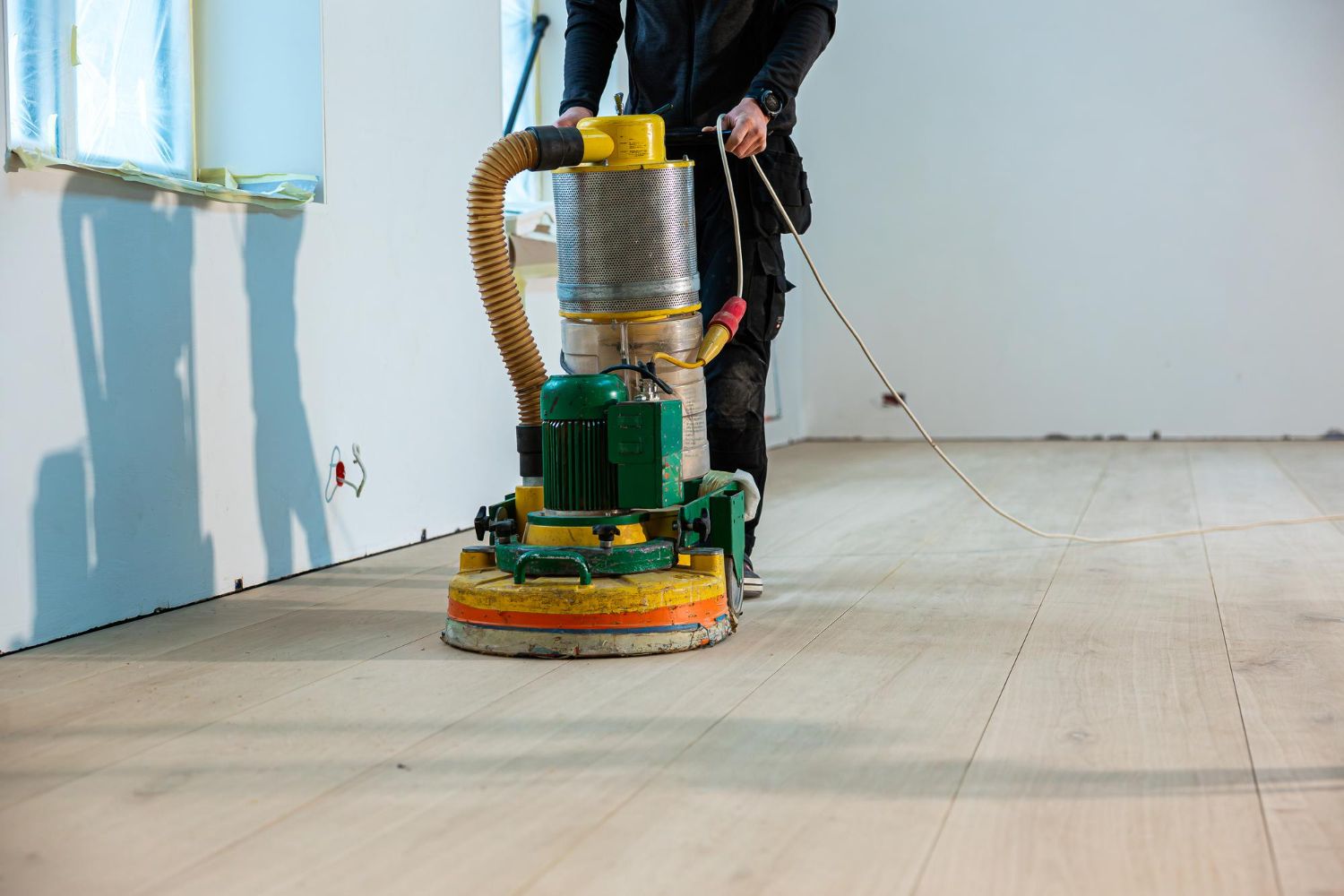
Several factors influence how much dust escapes during sanding:
- Quality of the dust extraction system and filter condition
- Type of sander (drum sanders generally produce more dust than orbital or multi-disc machines)
- Grit of sandpaper (coarser grits remove more material and produce more dust)
- Skill of the operator in maintaining proper sander seal
- Condition of the floor (old finishes can produce finer, more penetrating dust)
How Modern Dust-Free Systems Work
Understanding the technology helps explain why modern sanding is so much cleaner than traditional methods.
The Basic Components
A dust-free floor sanding system consists of three main elements:
- The sander itself, designed with a sealed head and dust port
- A heavy-duty vacuum unit with staged filtration
- Hoses connecting the sander to the vacuum
Filtration Stages
Professional systems use multiple filtration stages to capture particles of different sizes. The first stage, often a cyclone separator, removes larger chips and heavy dust before they reach the filter. This prolongs filter life and maintains suction. The second stage uses a primary filter to capture medium particles. The final stage employs a HEPA (High-Efficiency Particulate Air) filter that traps 99.97% of particles down to 0.3 microns—far smaller than the human eye can see.
Sealed Sanders
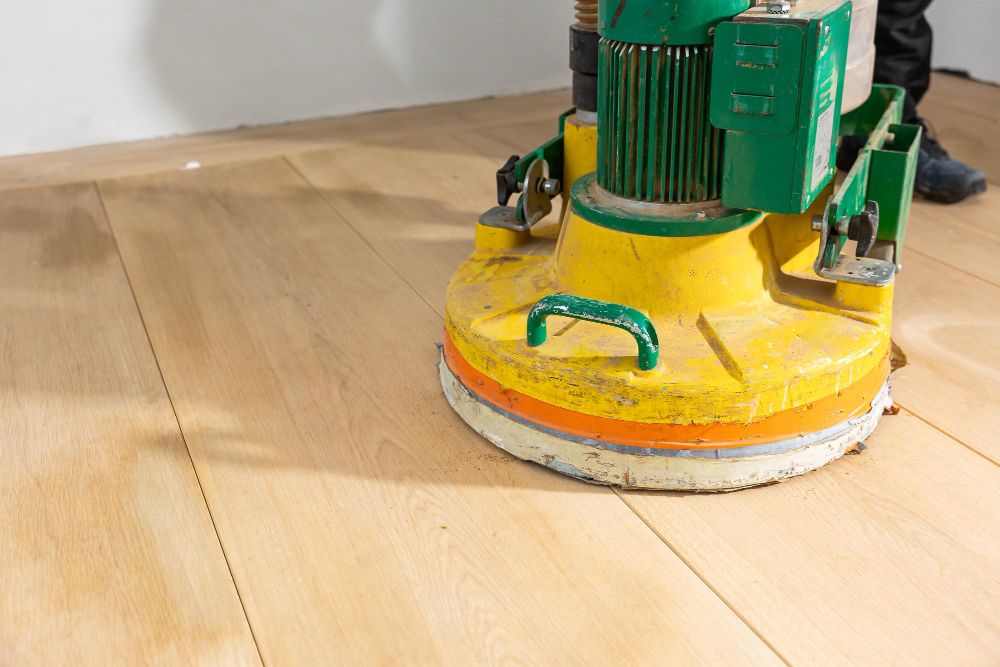
Modern sanders are designed with dust containment in mind. The sanding drum or pad sits within a sealed housing, and the dust port connects directly to this housing. A skirt or brush around the base creates a seal against the floor, ensuring that air entering the sander comes through the sanding head rather than from surrounding gaps. This design pulls dust directly from the point of creation into the vacuum system before it can escape into the room.
Practical Results
In practice, a properly set up dust-free system means you can remain in other parts of the house during sanding without significant dust migration. Doorways still need sealing as a precaution, but the heavy plastic sheeting and negative air pressure setups of the past are often unnecessary. After sanding, a quick wipe of surfaces near the work area is typically sufficient.
What About the Noise and Vibration?
 Noise and vibration are inevitable aspects of floor sanding, but understanding them helps manage expectations and neighbour relations.
Noise Levels
Floor sanding is loud. Drum sanders and edging sanders typically produce between 90 and 100 decibels at the operator’s position. This is comparable to a lawnmower or a passing motorcycle. In a flat or terraced house, this noise will be audible to neighbours. The duration matters—most floor sanding jobs take one to three days depending on area size and condition.
Vibration: Will It Damage My Neighbour’s Ceiling?
This is a common concern, especially for residents of flats and converted buildings. The short answer is that professional floor sanding using appropriate equipment will not damage a neighbour’s ceiling when performed correctly. However, some vibration is transmitted through the structure.
How Vibration Transmits
When a drum sander passes over a wooden floor, it creates mechanical vibration that travels through the floorboards, into the joists, and potentially into the ceiling below. The amount of vibration depends on several factors:
- Construction type (suspended timber floors transmit more vibration than concrete slabs)
- Condition of the floor structure (loose boards or deteriorated joists amplify vibration)
- Type of sander (heavy drum sanders create more vibration than lighter orbital machines)
- Operator technique (sanding across boards creates more vibration than sanding along them)
Risk of Damage
Modern floor sanding equipment, operated correctly, does not produce vibration levels that crack plaster ceilings or dislodge fixtures. The vibration is comparable to walking heavily across the floor or moving furniture—annoying but not destructive. However, there are exceptions. If a ceiling already has loose plaster, hairline cracks, or inadequate bonding, sanding vibration could worsen existing weaknesses. This is not damage caused by sanding but rather pre-existing issues revealed by vibration.
Professional Precautions
Reputable floor sanding professionals take steps to minimise vibration impact:
- Using lighter, well-balanced equipment
- Maintaining sharp abrasives to reduce resistance
- Sanding along board direction rather than across
- Avoiding aggressive passes that dig into the wood
- Inspecting the floor structure before starting to identify loose boards or weak areas
For flats and conversions, professionals may also notify neighbours in advance and schedule work during reasonable hours.
What You Can Expect During a Professional Sanding
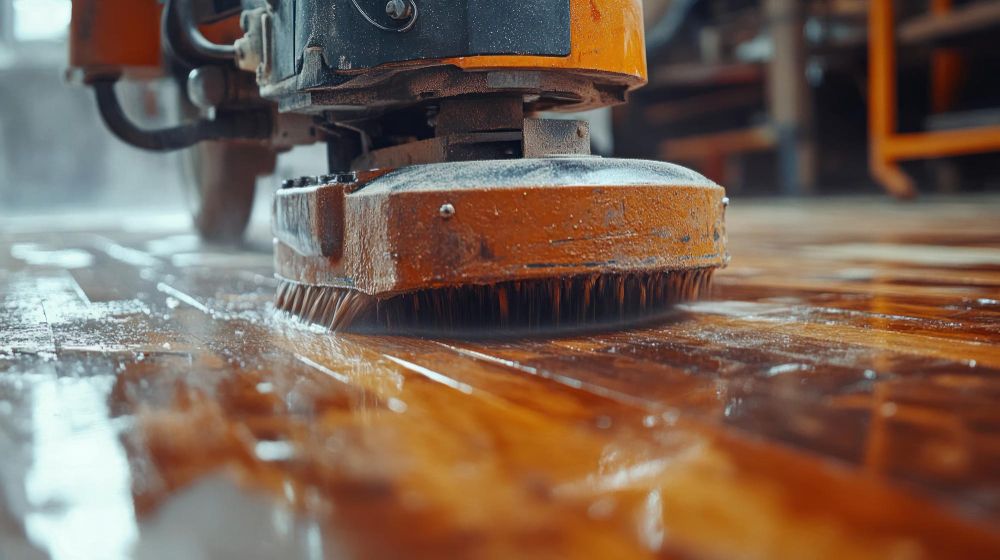 A professional floor sanding using dust-free equipment follows this pattern.
Before sanding, the team removes furniture or works around it with protective covers. Doorways to other rooms are sealed with plastic sheeting and tape. Vents and grilles are covered. The sanders are connected to the vacuum system, and filters are checked.
During sanding, you will hear the equipment operating but see little to no dust. The vacuum unit produces its own noise, often placed outside or in a well-ventilated area. Between grit changes, the floor is vacuumed. The team may open windows for ventilation, as some old finishes release odours when sanded.
After sanding, the floor is thoroughly vacuumed before finishing begins. Dust residue on nearby surfaces is minimal. Final cleanup involves removing plastic sheeting and a light dusting of adjacent areas.
The Importance of Professional Equipment
Consumer-grade sanders available for hire often lack effective dust collection. Their dust ports connect to standard shop vacuums that capture larger particles but release fine dust back into the air. The filters on these vacuums are typically not HEPA-rated, meaning the exhaust blows fine dust directly into the room.
Professional systems use sealed connections, staged filtration, and significantly higher suction power. The difference in dust levels between hiring a DIY sander and employing a professional with commercial equipment is dramatic. For anyone concerned about dust—and especially for those in flats where dust migration affects neighbours—professional dust-free sanding is the only sensible choice.
Conclusion
Floor sanding today bears little resemblance to the dusty ordeal of the past. Modern dust-free systems capture nearly all particles at the source, leaving minimal residue and allowing homeowners to remain in their properties during work. Vibration from sanding is generally harmless to neighbours’ ceilings, though pre-existing weaknesses may be revealed. Professional equipment and technique make the critical difference. For residents of flats, conversions, and terraced homes, investing in professional dust-free sanding ensures your floors are restored without creating a mess or disturbing those living around you.