What Can Increase the Price?
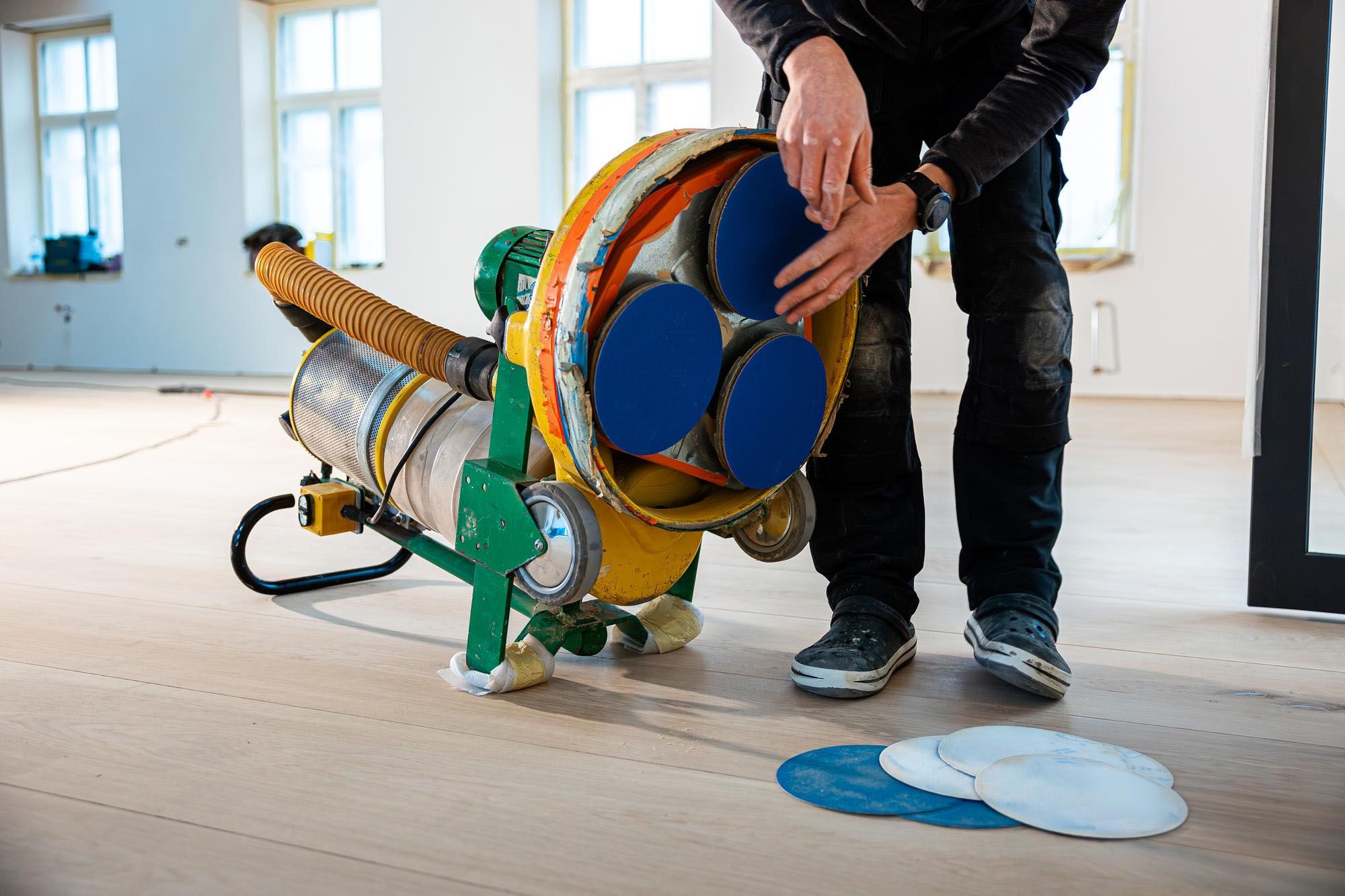
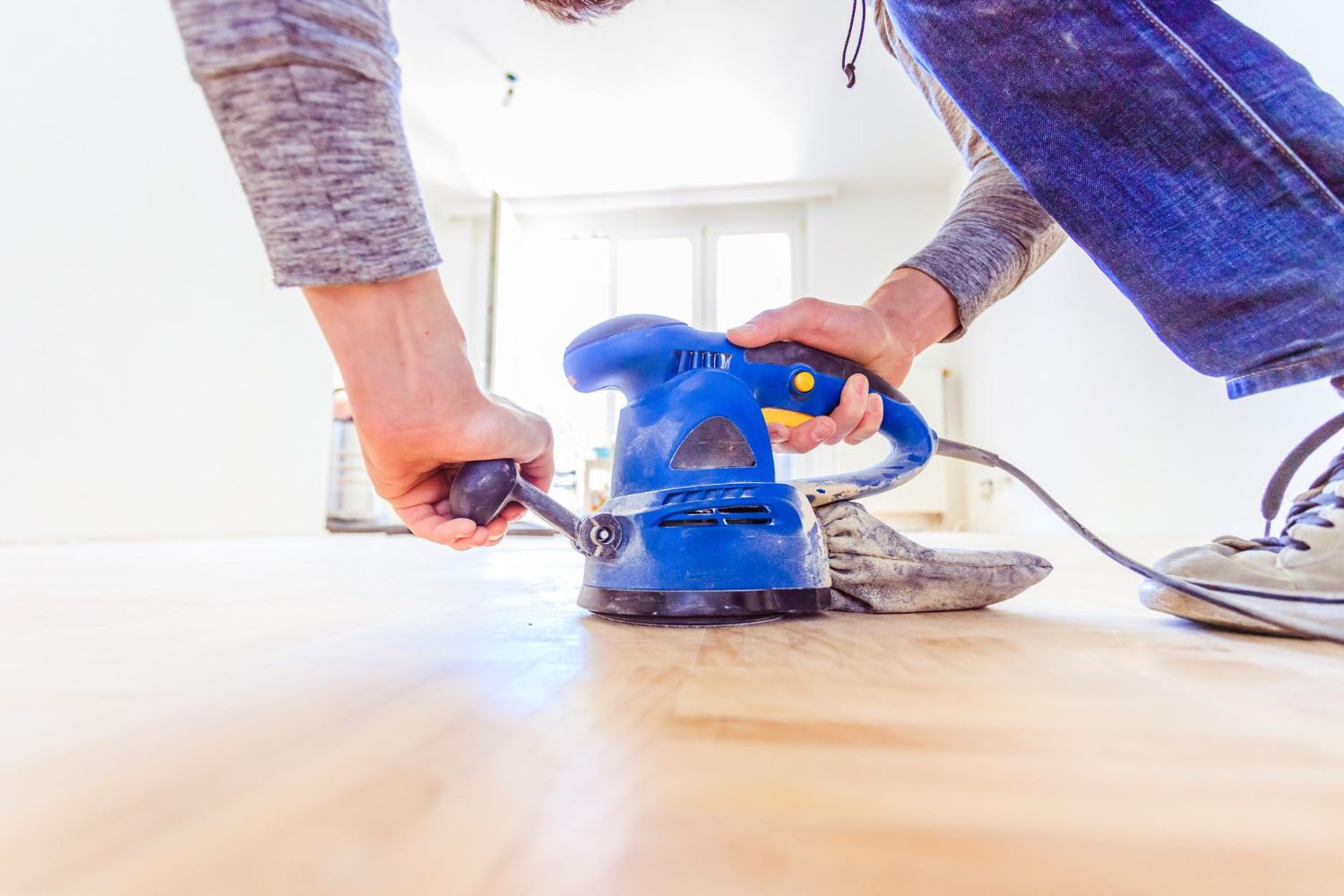
Several factors can push the cost of floor sanding above the base rate. While the per-square-metre price gives you a useful starting point, it rarely tells the full story. Most floors require at least some additional work beyond basic sanding and finishing. The condition of your floor, the layout of the room, and the type of finish you choose all influence the final quote. Understanding these potential extras helps you budget realistically and avoids surprises when the invoice arrives. Here are the most common add-ons and price drivers:
- Damaged or missing floorboards – replacing boards adds material and labour costs
- Large gaps – filling wide gaps with resin or timber slivers is time-consuming
- Protruding nails – each nail must be punched below the surface before sanding
- Paint, bitumen or adhesive – removing these residues requires extra work
- Uneven floors – significant leveling may be needed
- Loose parquet blocks – re-adhering blocks takes time and care
- Furniture removal – some companies charge extra if they need to move heavy items
- Carpet removal and disposal – typically from £8/m²
- Stairs and difficult edges – these areas are more labour-intensive
- Premium stains and finishes – bespoke colours or high-end oils cost more
- Small isolated rooms – minimum charges may apply for very small areas
As you can see, the final cost depends heavily on your floor's unique condition. A floor that simply needs sanding and finishing will be far more affordable than one requiring extensive repairs, gap filling, and stain application. The best way to get clarity is to have a professional assess your floor in person. Most companies offer a free, no-obligation survey — and this is the only way to receive an accurate, fixed-price quote tailored to your specific floor. During the survey, the specialist can identify any hidden issues, measure the area precisely, and recommend the most appropriate finish for your home and lifestyle. Investing a little time in a site visit ensures you get a realistic quote and avoids the cost of unexpected extras later on.
Sand, Repair or Replace?
Deciding whether to sand, replace, or wood floor repair in Leads depends on its condition. Not every floor can be saved, and not every floor needs full replacement. Use this quick decision guide to understand what is likely to be recommended for different scenarios:
| Condition |
Likely Recommendation |
| Surface scratches and dull finish |
Sand and refinish |
| Several loose or cracked boards |
Repair, then sand |
| Widespread rot or structural movement |
Further inspection |
| Very thin engineered wear layer |
Assess before sanding |
| Laminate flooring |
Do not sand |
How to Get an Accurate Quote
To get a reliable quote for your floor restoration, provide as much detail as possible. The more information you share, the more accurate your estimate will be. Here is what most professional floor sanding companies will ask for:
- Total square metreage – measure the room(s) accurately, including any alcoves or walk-in wardrobes
- Photos in daylight – show the overall condition and any problem areas under natural light
- Close-ups of damage – scratches, stains, gaps, rot, or loose boards
- Type of floor covering – is it solid wood, engineered, parquet, or laminate?
- Current finish – is it waxed, oiled, lacquered, or painted?
- Furniture – will you move it, or do you need assistance?
- Access and parking – can the team park near your property, and is there a clear path to the work area?
- Desired finish – lacquer, oil, hard wax oil, stain, or a specific colour
- Timeline – when do you need the work completed?
The best way to get an accurate quote is to arrange a site visit. A professional can assess the floor in person, identify hidden issues, and provide a fixed-price quote tailored to your specific floor. Most companies offer a free, no-obligation survey, so you can get clarity before committing to any work.
Is Professional Sanding Worth the Cost?
Many homeowners consider hiring a sander and doing the job themselves. While it's cheaper upfront, the risks are significant.
| Factor |
DIY |
Professional |
| Cost |
Lower (hire equipment) |
Higher but includes expertise |
| Quality |
Uneven sanding, edge marks common |
Smooth, professional finish |
| Risk |
Can damage thin boards |
Assesses thickness before sanding |
| Finish |
May apply incorrectly |
Proper application ensures durability |
| Dust |
Significant dust spread |
Dust-free systems capture most particles |
| Time |
Room out of use for days |
Completed efficiently |
Professional sanding costs more, but the results last longer and the floor is less likely to need redoing. For a floor that's survived decades, it's usually worth investing in the expertise.