
Expert Floor Sanding and Finishing for Whitechapel Properties

Whitechapel is a district of architectural contrasts. Victorian terraces stand alongside modern warehouse conversions and new-build apartments. This diversity means floor restoration cannot follow a single approach. The techniques that suit a Victorian townhouse differ significantly from those required for a contemporary apartment. This article explores expert sanding and finishing methods tailored to Whitechapel’s period properties and modern homes, focusing on the distinct requirements of each.
Understanding Whitechapel’s Property Types
Whitechapel’s Victorian and Georgian terraces feature original softwood floorboards laid over suspended timber joists. These floors were designed to breathe and were traditionally finished with wax or left unsealed. Modern properties—converted warehouses and new developments—typically use engineered wood flooring installed over concrete slabs, often with underfloor heating. Each type demands a specialised approach to sanding and finishing.
Sanding and Finishing for Period Properties
Assessing Original Floorboards
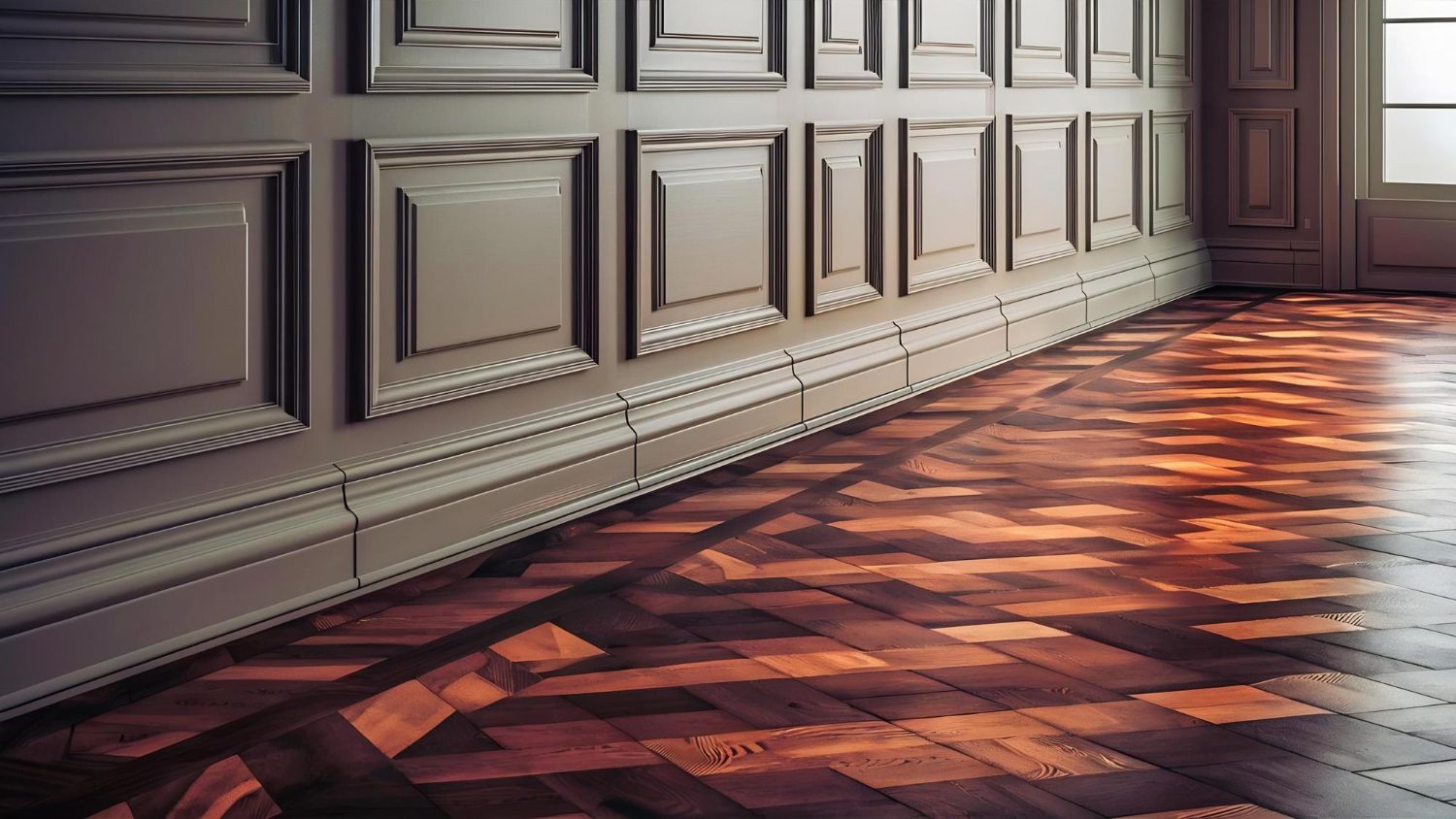
Restoration begins with assessment. Professionals check the thickness of original boards, the depth available above the tongue, and identify areas of rot, woodworm, or historic repairs. This determines whether sanding is viable or if board replacement is needed.
The Sanding Process
Sanding original floorboards follows a progressive grit sequence:
- Coarse grit (24-36) removes old finishes and levels the surface
- Medium grit (60-80) smooths the wood
- Fine grit (100-120) prepares for finishing
Drum sanders handle main areas while edging sanders work the perimeter. Dust extraction systems are essential, particularly in Whitechapel’s interconnected terraced homes where dust can migrate between rooms.
Addressing Common Issues
Period floors often present specific challenges:
- Gaps between boards require filling with resin or timber strips
- Raised nail heads must be punched below the surface
- Woodworm damage needs treatment before sanding
- Cupping or crowning is leveled through careful sanding
Finishing Options
Wax finishes offer the most traditional appearance with a soft, matte sheen. They require regular maintenance but suit period aesthetics perfectly.
Hard wax oils combine traditional appearance with enhanced durability. They penetrate the wood while creating a resistant surface, and their breathable nature suits suspended timber floors.
Matte lacquers provide the highest protection against scratches and wear. For period properties, matte or satin finishes are preferred over high-gloss options.
Sanding and Finishing for Modern Apartments
Working with Engineered Wood
Engineered wood consists of a hardwood veneer bonded to a plywood or HDF core. The veneer thickness determines sanding potential:
- 3-4mm veneer allows one or two light sandings
- Thinner veneers may not be sandable at all
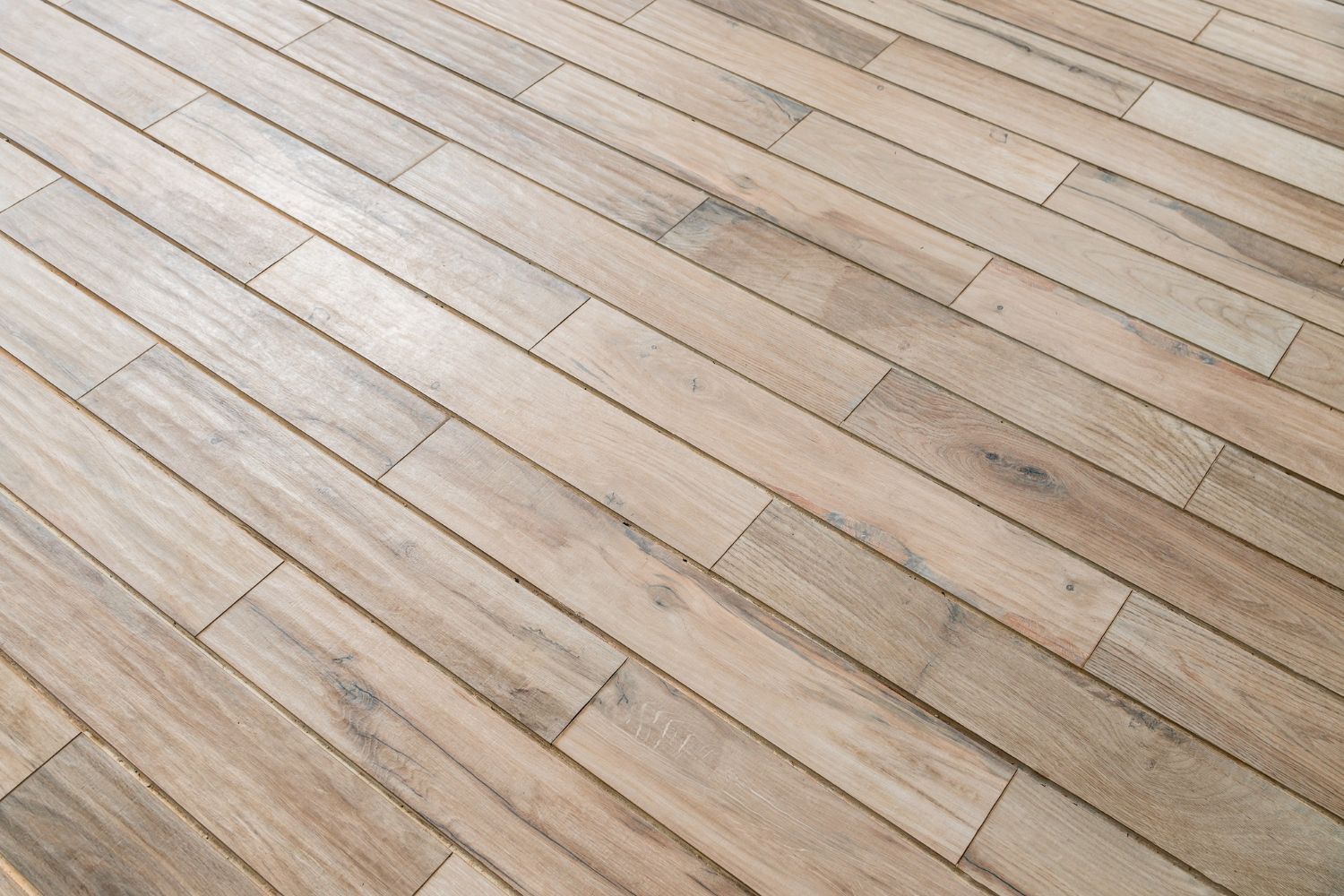
Sanding engineered wood requires precision. Professionals use fine-grit abrasives (starting at 60 or 80 grit) and often prefer orbital or multi-disc machines over aggressive drum sanders to avoid cutting through the veneer.
Concrete Subfloor Considerations
Modern apartments typically have concrete slab construction. When sanding glued-down engineered wood, professionals must manage adhesive residues and moisture issues. For apartments with underfloor heating, the system must be turned off during sanding, and finishes must be flexible enough to withstand thermal movement.
Finishing Options
Natural oils accentuate grain and suit warehouse conversions with industrial aesthetics. They work well with underfloor heating and require periodic reapplication.
Matte lacquers offer exceptional durability and resistance to scratches and spills. Water-based options dry quickly and have low VOC emissions, making them ideal for occupied buildings.
Smoked and fumed finishes produce rich, dark tones through chemical reactions with the wood’s tannins. These finishes pair well with exposed brick and steel beams common in converted industrial spaces.
The Professional Process
Preparation
Site preparation includes removing furniture, sealing doorways with plastic sheeting, and covering ventilation systems. This prevents dust from spreading throughout the property.
Sanding Sequence
The floor is sanded progressively from coarse to fine grits. For period floors, sanding follows the board direction. For engineered wood, diagonal sanding may achieve a flatter surface. Between grits, the floor is thoroughly vacuumed.
Repairs and Filling
Period floors receive gap filling with resin or timber strips. Damaged boards may be replaced with reclaimed timber. For engineered floors, minor surface repairs are completed.
Finish Application
Stains are applied evenly if desired. Oils are applied in multiple coats with buffing between. Lacquers typically receive two or three coats with light sanding between. Drying times vary from hours for water-based lacquers to days for wax finishes.
Choosing the Right Expert
 Given the technical demands of sanding and finishing different floor types, choosing the right professional is essential. Look for specialists who demonstrate experience with both period and modern properties. They should be able to assess your floor’s condition, recommend appropriate techniques, and provide a clear timeline for the work.
Ask about dust containment systems. Modern equipment with HEPA filtration significantly reduces the spread of dust throughout your home. In Whitechapel’s terraced housing, where neighboring properties share walls, dust control also affects residents nearby.
Request references from similar properties in the area. A professional who has successfully restored Victorian floorboards in Spitalfields or finished engineered wood in a Whitechapel apartment building will understand the local architectural context and its specific requirements.
Conclusion
Expert floor sanding and finishing in Whitechapel requires more than technical skill—it demands an understanding of the area’s architectural diversity. Victorian terraces with their original softwood boards need gentle restoration that preserves historical character while introducing modern durability. Warehouse conversions and new-build apartments need precise work on engineered wood, with finishes that complement industrial and contemporary aesthetics.
Whether you are restoring a period property near Whitechapel Market or refinishing a modern apartment overlooking the Overground line, professional sanding and finishing can transform your floors. The right approach respects your home’s architectural heritage while delivering a surface that withstands daily life. In a district defined by its layers of history and modernity, your floor becomes another chapter in that story.