
Common Wooden Floor Issues in Walthamstow

Walthamstow is defined by its rich architectural heritage. Victorian and Edwardian terraces line streets like Hoe Street and Orford Road, their original wooden floors often hidden beneath decades of carpet. Meanwhile, newer developments around Blackhorse Road feature engineered wood floors in contemporary apartments. These floors, whether period originals or modern installations, face common problems over time. Gaps open up, creaks develop, moisture takes its toll. Understanding these issues and knowing how to address them can save your floors from irreversible damage. However, as this article emphasises, most repairs are best left to experienced professionals.
Understanding Walthamstow’s Flooring Context
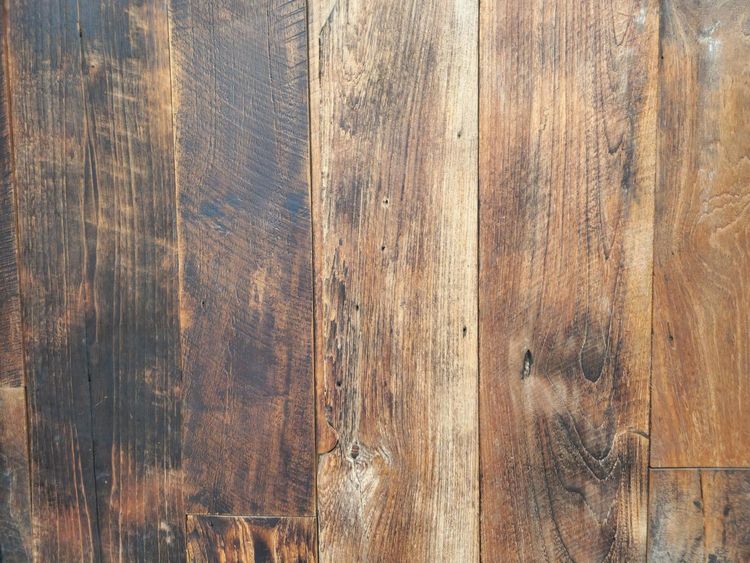
Victorian and Edwardian terraces typically feature original softwood floorboards—pine or deal—laid over suspended timber joists. These boards have survived for over a century, developing character through patina and wear. They are generally thick enough to allow sanding and repair, but their age makes them vulnerable to specific issues.
Modern properties and conversions around Blackhorse Road and St James Street feature engineered wood flooring—a hardwood veneer bonded to a plywood core. While durable, these floors have different repair limitations. The veneer thickness dictates whether sanding is possible, and moisture damage can cause de-lamination that is often irreparable.
Common Issue 1: Gaps Between Floorboards
Gaps are the most frequent complaint in period homes. They typically appear during winter when central heating dries the air, causing wood to contract. Over time, gaps can become permanent.
Professional Repair Solutions
For period floors, professionals use flexible resin fillers that move with seasonal expansion. For larger gaps, craftsmen insert matching timber strips—a labour-intensive process requiring skill to achieve invisible results. For engineered wood, gap repair depends on the cause. If gaps result from insufficient expansion space, professionals may need to remove perimeter boards and trim them.
Why Professionals Are Essential
Using rigid filler in a period floor leads to cracking when boards move. Choosing the wrong colour creates unsightly lines. For timber strip insertion, matching wood species, grain, and age patina demands experience.
Common Issue 2: Creaking and Squeaking Floors
Creaks are the second most common complaint. In period properties, creaks typically come from loose boards rubbing against nails or adjacent boards. In engineered wood, creaks usually indicate installation issues or inadequate underlayment.
Professional Repair Solutions
For period floors, professionals locate the source and apply targeted repairs:
- Re-securing loose boards with screws, then filling and sanding
- Adding fixings from below if the floor is accessible
- Replacing sections of damaged subfloor where movement has occurred
- For engineered wood, professionals may lift affected boards, repair underlayment, and reinstall properly.
Why Professionals Are Essential
Creak diagnosis requires identifying the true source, which may be hidden beneath the surface. Attempting to stop creaks by driving nails randomly often damages the floor and fails to resolve the issue.
Common Issue 3: Moisture Damage and Cupping
 Moisture is the enemy of wooden floors. In period homes, damage often results from leaking pipes, inadequate subfloor ventilation, or spills penetrating between boards. In engineered wood, moisture can cause de-lamination that is usually irreparable.
Professional Repair Solutions
Professionals first identify and eliminate the moisture source. Once resolved, the floor must dry completely—a process taking weeks. After drying, cupped boards sometimes flatten naturally. If not, professionals may sand the floor flat. For severe damage, replacement of affected boards is the only solution.
Why Professionals Are Essential
Moisture damage requires careful assessment. Professionals use moisture meters to determine the extent of damage and advise whether sanding, board replacement, or full floor replacement is appropriate. Attempting to sand a floor that is still wet seals in moisture and guarantees future problems.
Common Issue 4: Scratches and Worn Finishes
All wooden floors show wear over time. Period floors often retain original wax finishes that offer limited protection. Modern engineered floors with factory finishes are more durable but still susceptible to damage.
Professional Repair Solutions
For surface scratches, professionals can often buff and recoat the floor—applying fresh lacquer or oil without full sanding. For deeper wear, full sanding and refinishing may be necessary. In engineered floors, professionals measure the remaining veneer thickness before proceeding.
Why Professionals Are Essential
Assessing whether a floor can be buffed or requires full sanding requires experience. Over-buffing can burn through thin finishes. Sanding an engineered floor beyond its veneer thickness ruins it.
Common Issue 5: Rot and Structural Deterioration
Rot is the most serious issue affecting wooden floors. It occurs where persistent moisture allows fungal growth, breaking down the wood’s cellular structure.
Professional Repair Solutions
Rot cannot be reversed. Professionals remove damaged boards, assess and treat the subfloor and joists if necessary, and install matching replacement boards. In period properties, they may source reclaimed timber of similar age to maintain consistency.
Why Professionals Are Essential
Rot repair requires understanding of building construction, ventilation requirements, and historical materials. Professionals ensure the underlying moisture issue is resolved before replacement boards are installed. DIY rot repairs often fail because the root cause remains unaddressed.
Why Professional Expertise Matters
Throughout this article, the recurring theme is that wooden floor issues are best handled by experienced professionals. There are several reasons why this holds true for Walthamstow homes.
Experience with Period Properties
Walthamstow’s Victorian and Edwardian floors are over a century old. Professionals who work regularly in the area understand how original boards behave, what finishes suit period interiors, and how to source matching reclaimed timber.
Technical Expertise with Modern Floors
Modern engineered wood floors require different skills. Professionals understand veneer thickness limits, underfloor heating compatibility, and acoustic requirements for multi-unit buildings.
Proper Diagnosis
Many floor issues present with similar symptoms but require different solutions. A creak may be a loose board, a failing joist, or an installation issue. Professionals diagnose accurately, ensuring repairs address the actual problem.
Quality Equipment and Dust Control
Professional floor sanders use industrial equipment with integrated dust extraction that leaves minimal mess. DIY sanding often results in dust spreading throughout the property.
Conclusion
Wooden floors in Walthamstow homes—whether Victorian originals in terraced streets or engineered wood in modern conversions—face common challenges. Gaps, creaks, moisture damage, wear, and rot all require attention to prevent deterioration. While minor maintenance can be handled by homeowners, the majority of repairs demand professional expertise.
Engaging experienced floor restoration specialists ensures issues are correctly diagnosed, repairs are executed to high standards, and the character and value of your floor are preserved. Professionals bring the right equipment, materials, and knowledge to work with Walthamstow’s diverse flooring types. For the long-term health of your wooden floors, trusting the work to skilled hands is an investment that pays dividends in beauty, durability, and peace of mind.