
Best Finishes for Victorian Floorboards: Oil vs Lacquer
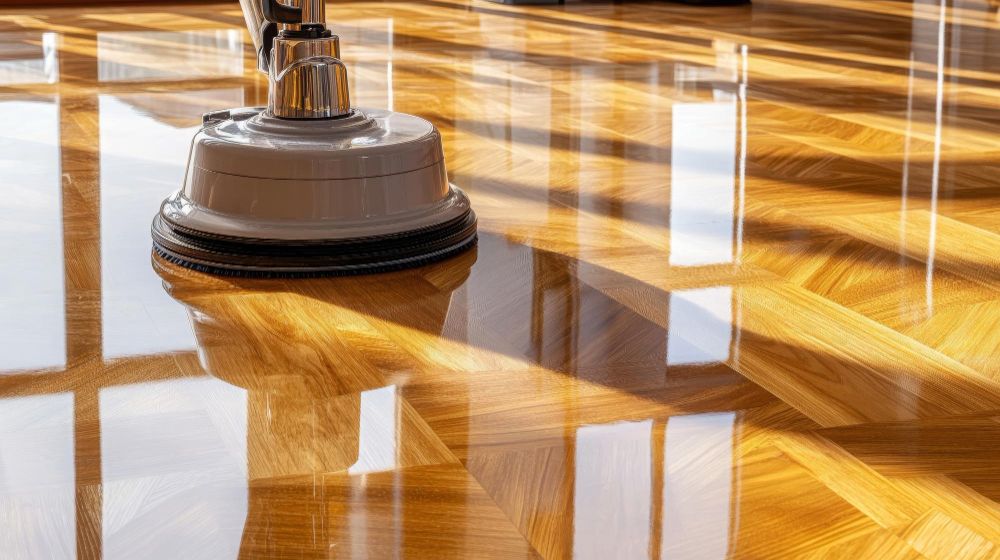
Victorian floorboards have survived over a century. They have earned their scars, their patina, their deep, warm character. Choosing the right finish for these historic boards is one of the most important decisions in any restoration project. The wrong finish can leave them looking plastic, feeling cold, or deteriorating within months. The right finish protects them for another generation while preserving their authentic beauty. This article compares the two most popular options—oil and lacquer—and helps you decide which suits your Victorian floor.
Understanding Victorian Floorboards
Before comparing finishes, it helps to remember what Victorian floors actually are. They are almost always softwood—pine or deal. This wood is naturally resinous, soft, and absorbent. It moves with the seasons, expanding in humid weather and shrinking when central heating dries the air. Original finishes were simple: wax, sometimes mixed with pigments to create dark stains. No Victorian homeowner applied thick, glossy polyurethane. That is a modern invention.
The best finish for your Victorian floor respects its nature while providing practical protection for contemporary living.
Oil Finishes: The Traditional Choice
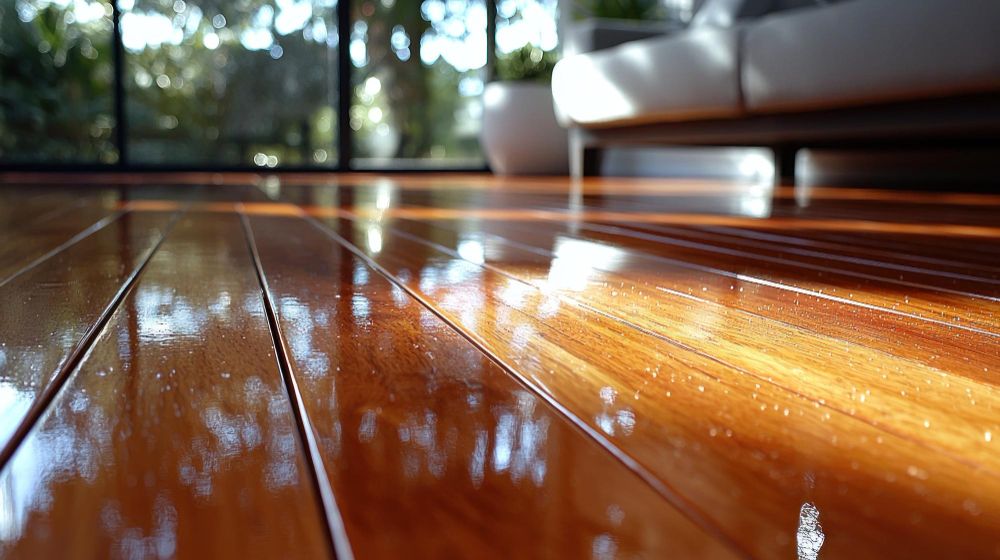 Oil finishes have been used on wooden floors for centuries. Modern versions, particularly hard wax oils, combine traditional penetration with enhanced durability.
How Oil Works
Oil penetrates into the wood rather than sitting on top. It soaks into the pores, nourishing the timber from within. The surface remains breathable, allowing moisture to move in and out naturally. Hard wax oils add micro-particles of wax that bond with the oil, creating a resistant surface while maintaining a natural appearance.
Advantages of Oil for Victorian Floors
Natural appearance: Oil produces a soft, matte sheen that looks completely authentic on old softwood. The finish does not obscure the wood's texture or grain.
- Warm feel: It feels warm underfoot, not cold and plastic.
- Breathability: Allows moisture to escape, reducing the risk of rot and cupping.
- Easy spot repairs: When a scratched or worn area appears, you can repair just that spot without sanding the entire floor.
- Enhances character: Oil deepens the natural colour of old pine and highlights grain and patina.
- Low sheen hides wear: The matte finish does not show scratches and footprints the way glossier finishes do.
Disadvantages of Oil
- Requires regular maintenance: High-traffic areas may need fresh oil every six to twelve months.
- Less initial protection: Spills must be wiped quickly. Furniture pads are essential.
- Longer curing time: Oil takes days or even weeks to cure fully.
Best For
Oil is ideal for homeowners who value authenticity, do not mind periodic maintenance, and want their Victorian floor to look like a Victorian floor.
Lacquer Finishes: The Modern Contender
Lacquer (polyurethane) creates a hard, protective film on top of the wood. It is the standard finish for most modern wood floors.
How Lacquer Works
Lacquer does not penetrate significantly. It bonds to the surface, forming a continuous plastic-like layer. Water-based lacquers are common today, replacing older solvent-based versions that had strong odours and yellowed over time.
Advantages of Lacquer for Victorian Floors
- Durability: Provides excellent protection against scratches, spills, and daily wear.
- Low maintenance: Only sweeping and occasional damp mopping needed. No periodic oiling.
- Quick drying: Water-based lacquers dry in hours, not days.
- Excellent stain resistance: Spilled liquids sit on top rather than soaking into the wood.
Disadvantages of Lacquer
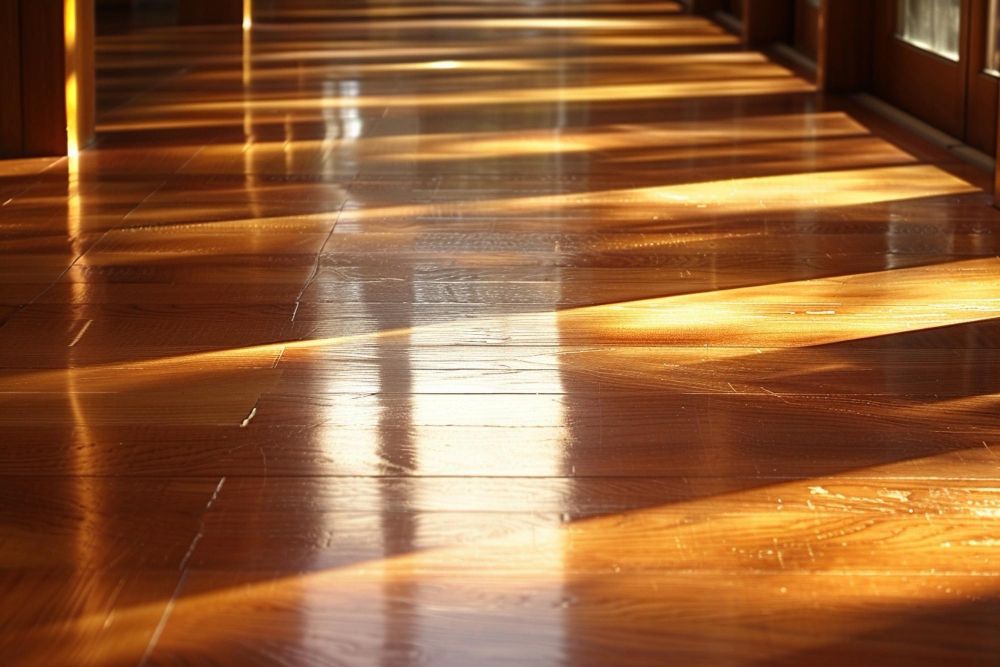
- Plastic appearance: Even the best matte lacquer looks like a coating, not wood.
- Cold feel: Feels cool and artificial underfoot.
- Difficult repairs: Scratches and worn areas require full re-sanding of the entire floor.
- Can peel: If moisture gets under the lacquer, the finish can peel away in sheets.
- Shows wear: Develops a polished appearance in high-traffic areas.
- Traps moisture: Can lead to cupping or finish failure if subfloor is damp.
Best For
Lacquer suits homeowners who prioritise low maintenance and high durability over authentic appearance.
Comparison: Oil vs Lacquer
- Appearance: Oil looks natural, matte, and warm. Lacquer appears coated and can look plastic.
- Feel underfoot: Oil feels warm, like wood. Lacquer feels cool, like plastic.
- Maintenance: Oil requires regular oiling (yearly). Lacquer needs minimal cleaning only.
- Repairs: Oil allows easy spot repair. Lacquer requires full re-sanding.
- Durability: Oil offers good durability with maintenance. Lacquer provides excellent durability initially.
- Breathability: Oil is breathable. Lacquer is not.
- Authenticity: Oil offers high authenticity. Lacquer offers low authenticity.
- Initial cost: Both are moderate. Lacquer may be slightly higher.
- Long-term cost: Oil has ongoing maintenance costs. Lacquer has higher refinishing costs.
The Middle Ground: Hard Wax Oil
Hard wax oil deserves special mention. It bridges the gap between traditional oil and modern lacquer. Like oil, it penetrates the wood. Like lacquer, it creates a resistant surface. The wax component provides water resistance and durability beyond traditional oil.
Hard wax oil is probably the best choice for most Victorian floors. It looks authentic, feels warm, allows spot repairs, and offers enough protection for normal family life. Many period floor specialists now recommend hard wax oil as the default finish for old softwood.
What About Stain?
Victorian floors were originally stained dark—walnut, mahogany, or oak shades were fashionable. You can replicate this by applying stain before the finish. However, staining pine is tricky. The wood absorbs stain unevenly, often producing a blotchy result. Professionals use wood conditioners or gel stains to manage this.
If your floor has natural colour you like, consider skipping stain entirely. Clear oil or lacquer on aged pine produces a beautiful warm amber tone that needs no artificial colour.
Making Your Decision
 Consider these questions:
- Do you want an authentic period look, or is modern convenience more important?
- Are you willing to oil your floor once or twice a year?
- Do you have pets or young children who will scratch the floor?
- Is the floor in a kitchen or other area prone to spills?
- Do you plan to stay in the home long-term, or sell soon?
For most Victorian floors in living rooms, dining rooms, and bedrooms, hard wax oil is the recommended choice. It balances authenticity with practicality. For hallways and kitchens with very high traffic and spill risk, a high-quality matte lacquer may be more practical, though you sacrifice some authenticity.
Professional Application Matters
Whatever finish you choose, professional application makes the difference. A poorly applied oil can leave sticky patches or uneven sheen. A poorly applied lacquer can bubble, peel, or show roller marks. Period floor specialists understand how old softwood behaves and apply finishes accordingly.
Conclusion
Oil and lacquer both have places in floor finishing. For Victorian floorboards, oil—particularly hard wax oil—is usually the superior choice. It respects the age and character of the wood while providing adequate protection for modern living. Lacquer offers durability and low maintenance but at the cost of authenticity. Your decision should reflect how you use the space and what you value in your period home.
A well-finished Victorian floor, properly maintained, will last another century. Choose the finish that helps it age gracefully.