
Best Finishes for Pine Floors: How to Avoid Yellowing
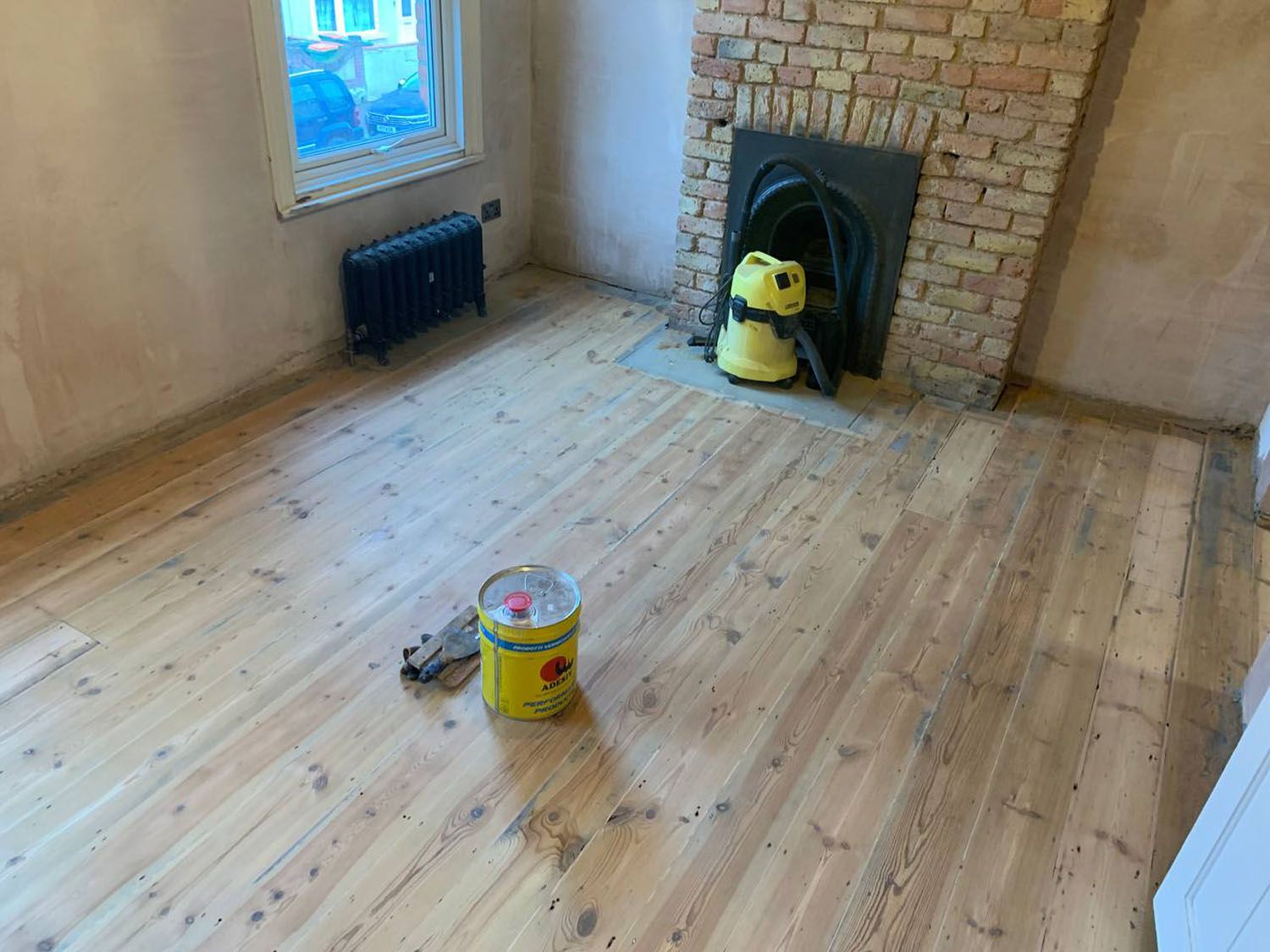
Pine is beautiful, warm, and full of character. It is also one of the most unpredictable woods when it comes to finishing. One of the most common complaints from homeowners who have installed or restored pine floors is yellowing. A floor that looked pale and natural immediately after finishing can turn noticeably warmer, sometimes even orange or amber, within months or years. This yellowing is not a defect. It is simply what pine does. But with the right finish and proper preparation, you can minimise or even prevent it entirely. This article explains why pine yellows, which finishes are most prone to yellowing, and how to choose products that keep your floor looking the way you want it to.
Why Pine Yellows
Pine contains natural compounds called chromophores. These compounds react to light, heat, and oxygen over time, causing the wood to darken and yellow. This is the same process that gives aged pine its warm, amber patina. For some homeowners, this natural ageing is desirable. For others, particularly those who want a pale, contemporary look, it is a problem.
The yellowing process is accelerated by certain finishes. Oil-based polyurethanes, for example, have their own amber tint that intensifies over time, adding to the wood's natural yellowing. Solvent-based finishes also tend to yellow more than water-based alternatives. Sunlight is another major factor. UV radiation triggers the chemical reactions that cause yellowing, so floors in sun-drenched rooms will yellow faster than those in darker spaces.
What Causes Yellowing in Finishes
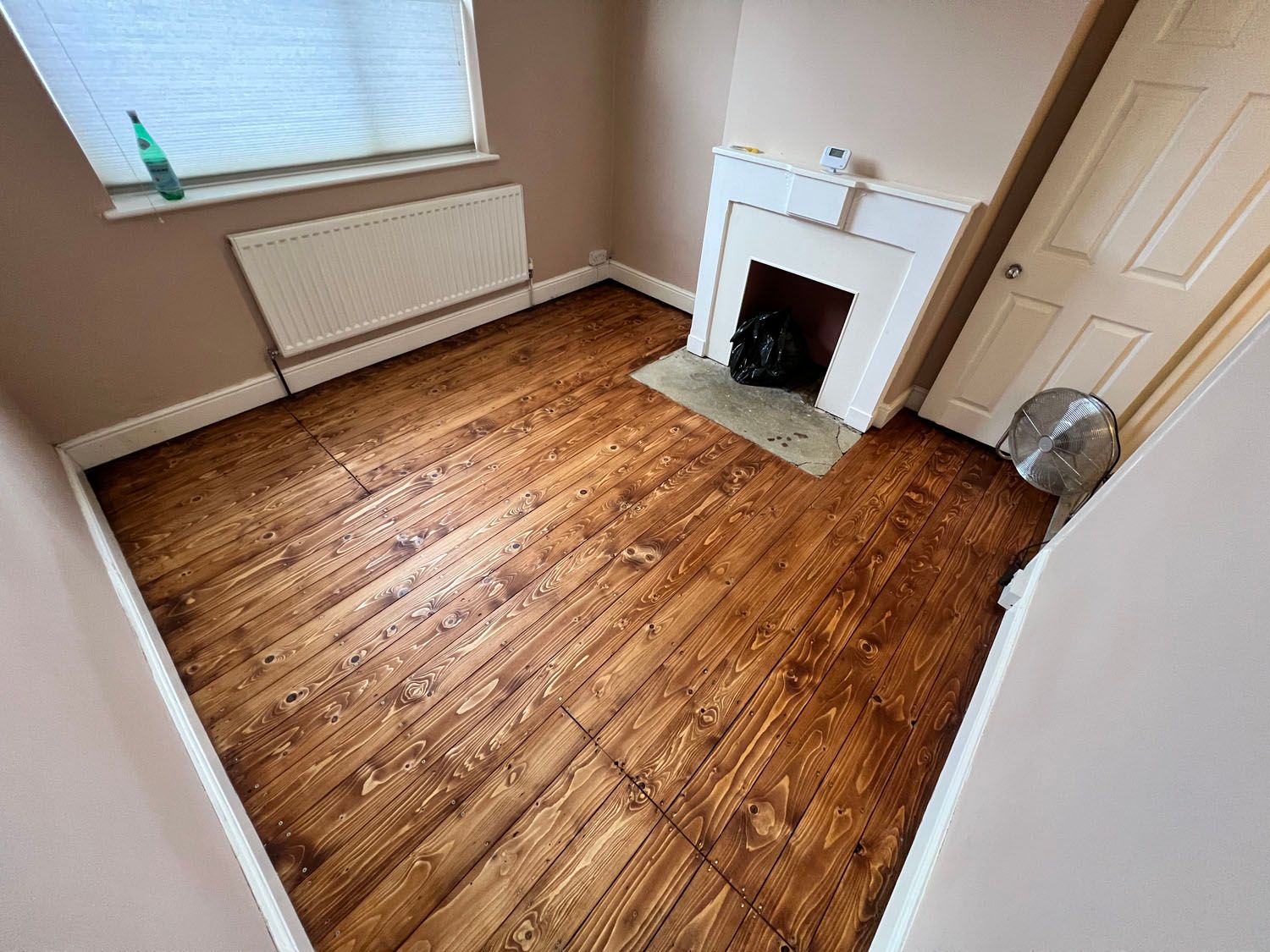 The finish itself can contribute significantly to yellowing. Understanding the different types of finishes helps you choose the right one.
Oil-based polyurethane has a natural amber colour. It darkens noticeably over time, often becoming quite yellow. This is the most yellow-prone finish available.
Solvent-based lacquers also yellow, though less dramatically than oil-based polyurethane. They contain chemicals that react with light and heat, gradually changing colour.
Water-based polyurethane starts clear and stays relatively clear. It does not yellow significantly over time, making it the best choice for those who want to preserve the natural pale colour of pine.
Hard wax oils vary. Some contain resins that can yellow. Others are formulated to remain clear. Check product specifications carefully.
Wax alone does not yellow significantly, but it offers limited protection. It is typically used over a sealer that may yellow.
How to Prevent Yellowing
Choose Water-Based Finishes
Water-based polyurethane is the most reliable way to avoid yellowing on pine. It goes on clear and stays clear. It does not add any amber colour to the wood. It also dries quickly, has low odour, and is environmentally friendly compared to solvent-based products.
For pine floors, choose a water-based polyurethane specifically formulated for flooring. These products contain UV inhibitors that slow the wood's natural yellowing process. Some also contain whitening agents that counteract the warm tones of pine, keeping it looking pale.
Use UV-Blocking Finishes
Sunlight accelerates yellowing. Finishes with UV blockers slow this process. Look for products that specifically mention UV protection or light stability on the label. Even with UV blockers, it is wise to use window treatments in sun-drenched rooms to reduce direct sunlight exposure.
Consider White Pigmented Finishes
White pigmented oils and hard wax oils are designed to create a limed or whitewashed appearance. They contain titanium dioxide or other white pigments that mask the natural yellow tones of pine. These finishes do not prevent yellowing entirely, but they compensate for it by adding a pale, cool tone that balances the warmth.
For homeowners who want a pale, contemporary floor, white pigmented finishes are an excellent choice. They provide the durability of hard wax oil with a cool, light appearance that resists looking yellow.
Apply a Bleaching Agent
For floors that have already yellowed or for homeowners who want an extremely pale floor, wood bleach (oxalic acid) can lighten the pine. This is a professional task—improper application can leave unsightly white patches. After bleaching, apply a clear water-based finish to maintain the pale tone.
Limit Sun Exposure
Simple but effective. Use blinds, curtains, or UV-filtering window film to reduce sunlight on your floor. Rotate rugs periodically so that areas exposed to sunlight age evenly with those that are covered.
Prepare the Wood Properly
Yellowing can be worsened by contaminants on the wood surface. Before finishing, clean the floor thoroughly to remove dust, grease, and old residues that could react with the finish. Sand to a smooth surface and vacuum carefully.
Finish Recommendations for Pine
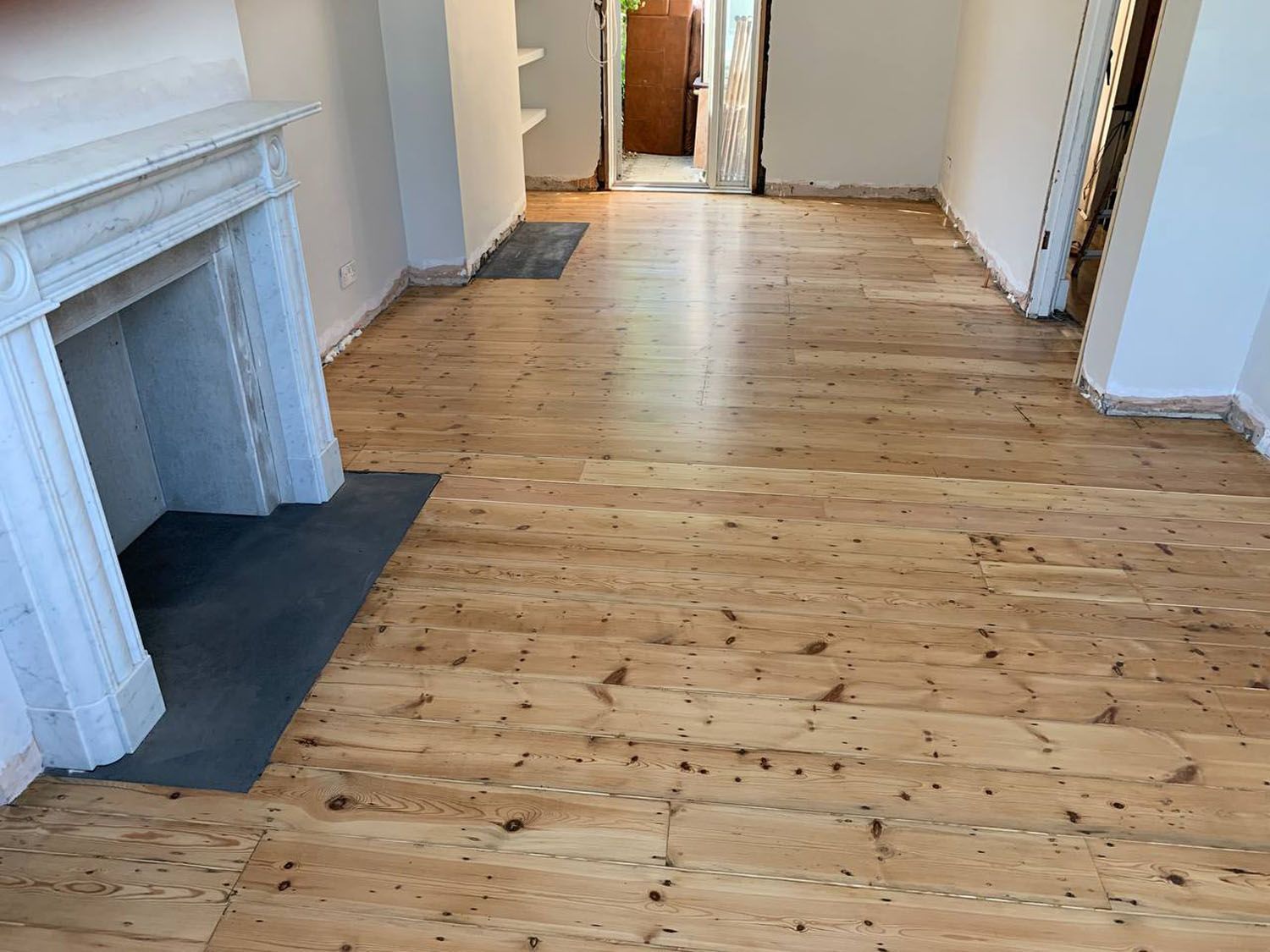
For a Pale, Natural Look
Choose a water-based polyurethane with UV inhibitors. This is the best option for preserving the light colour of new pine or for keeping a sanded pine floor from darkening too quickly.
For a Warm, Natural Look
Hard wax oil in a clear or natural tone. This will yellow somewhat, but the amber warmth is part of the character. Choose a product with low yellowing properties if you want to keep the colour as natural as possible.
For a Whitewashed or Limed Look
White pigmented hard wax oil. This provides the durability of oil with a pale, matte finish that resists yellowing. It is particularly effective on newer pine that has not yet developed its amber patina.
For Maximum Durability with Minimal Yellowing
Water-based lacquer with UV blockers. This offers excellent protection and stays clear. It is the best choice for kitchens and other high-traffic areas where durability is essential.
What to Avoid
- Oil-based polyurethane: It yellows significantly and adds amber tint.
- Solvent-based lacquers: They yellow more than water-based alternatives.
- Dark stains: Dark stains do not prevent yellowing; they just hide it. The wood underneath may still yellow, affecting the overall colour.
- Wax over oil-based sealers: The sealer will yellow even if the wax does not.
Managing Expectations
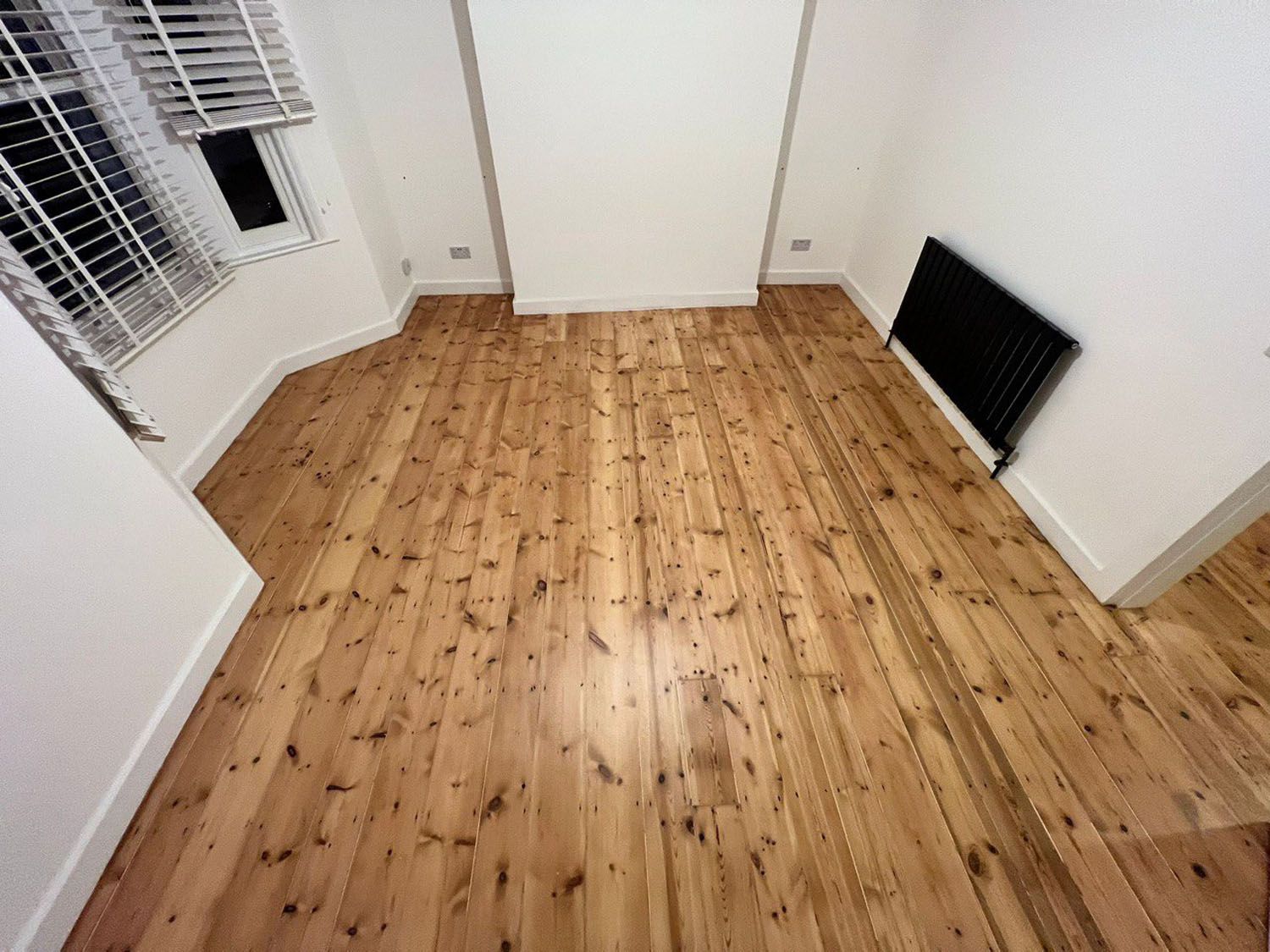 Pine is not oak. It is not maple. It will never stay exactly the same colour as the day it was installed. Some yellowing is natural and inevitable, even with the best products and precautions. The goal is not to stop yellowing entirely—that is impossible. The goal is to slow it, manage it, and choose finishes that work with the wood rather than against it.
For homeowners who want a pale, contemporary floor, water-based polyurethane with UV blockers is the best choice. For those who prefer the warm, aged character of pine, hard wax oil in a natural tone adds to the authentic look.
Conclusion
Yellowing is not a sign of failure. It is a natural characteristic of pine. But if you want to keep your pine floor looking pale, you have options. Water-based finishes stay clear. UV blockers slow the reaction. White pigmented finishes balance the warmth. Preparation and maintenance also matter.
Choose the finish that matches your aesthetic. Accept that some yellowing will occur. And enjoy the natural warmth and character that only pine can provide.