
Why Pine Floors Require a Different Approach to Sanding
Pine is not oak. This simple statement explains why sanding a pine floor requires a fundamentally different approach than working with hardwood. Yet many homeowners, and even some inexperienced contractors, treat pine as if it were a less expensive version of oak. The results are predictable: gouges, uneven surfaces, scratch swirls, and floors that look worse after sanding than before. This article explains what makes pine different and how professionals adapt their techniques to achieve beautiful results on this soft, temperamental wood.
Pine Is Soft. Really Soft.
The Janka hardness test measures how much force is required to embed a steel ball into wood. Red oak scores around 1,220 pounds. White oak is approximately 1,350. Pine? Eastern white pine scores just 380. That is less than one-third the hardness of oak.
This softness matters enormously during sanding. A drum sander that glides smoothly across oak will dig into pine. The same pressure that removes a thin layer of hardwood will carve a trench in softwood. Pine compresses under the weight of sanding equipment, then springs back unevenly. It clogs sandpaper rapidly. It burns when abrasives get hot. Every aspect of the sanding process is more complicated.
Key Challenges When Sanding Pine
Here are the main reasons pine floors require specialist handling:
- Extreme softness means sanders dig in and remove material too quickly
- Resin content clogs standard sandpaper within minutes
- High risk of burning due to friction and heat buildup
- Pronounced raised grain creates a rippled, washboard effect
- Uneven stain absorption leads to blotchy, unpredictable colour
- Narrow margin between smooth surface and damage to tongue and groove
The Clogging Problem
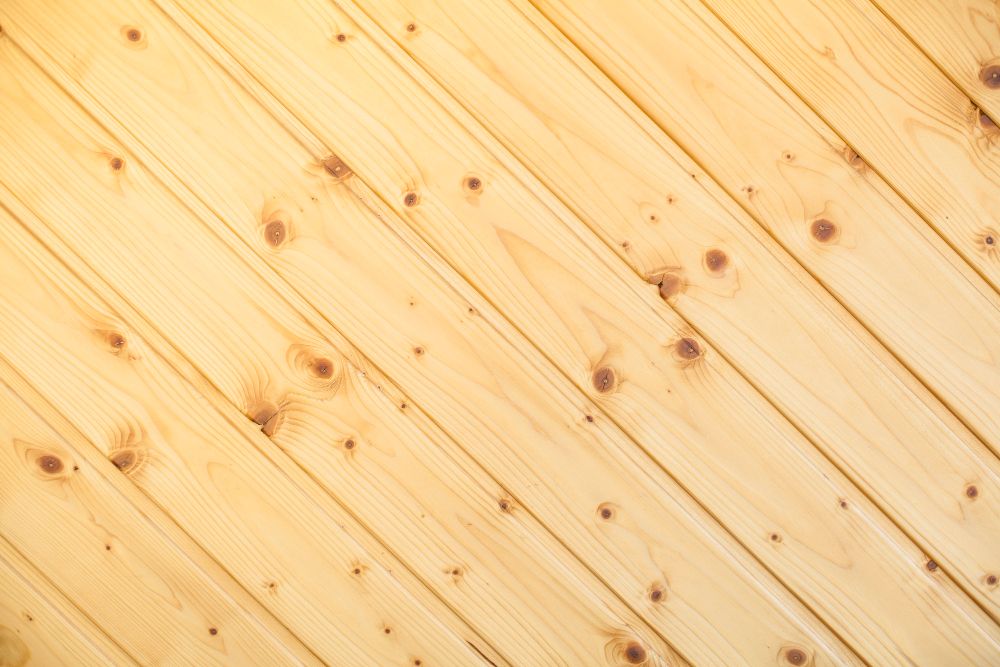 Pine contains resin. This sticky substance is what gives pine its distinctive scent and its historical popularity for flooring. But resin is also what makes sanding pine frustrating. Standard sandpaper clogs within minutes as resin and fine dust combine to form a paste that fills the grit. Once clogged, sandpaper stops cutting and starts burning. The operator pushes harder, which generates more heat, which melts more resin, which clogs the paper faster.
Professionals sanding pine use specialised abrasives. Open-coat sandpaper has gaps between the grit particles, allowing dust and resin to escape rather than building up. Stearated papers have a dry lubricant coating that resists clogging. These papers cost more than standard sandpaper but last many times longer on pine.
The Burning Risk
Pine burns easily. The combination of resin, friction, and softwood creates perfect conditions for scorching. Burn marks appear as dark, crescent-shaped blemishes that are difficult to remove. Once burned, the damaged wood must be sanded away entirely. In extreme cases, burn marks penetrate deeper than the available wear layer.
Preventing burns requires careful technique. Professionals keep sanders moving at a steady pace—never stopping or hesitating. They use sharper abrasives, as dull paper generates more heat. They vacuum frequently to remove dust that would otherwise insulate the surface and trap heat. And they know when to stop. If the wood feels hot to the touch, the sanding speed or grit needs adjustment.
Raised Grain: The Never-Ending Cycle
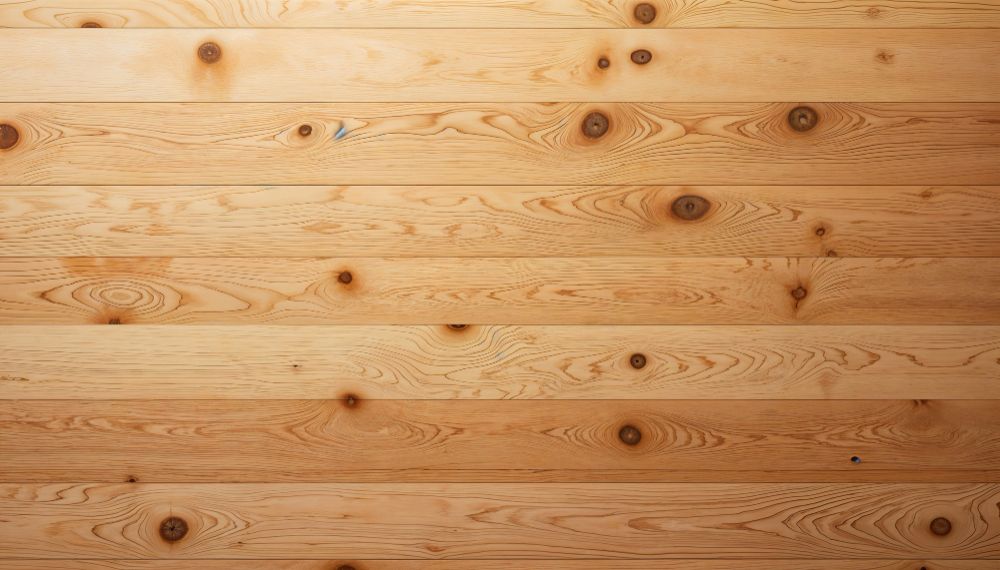
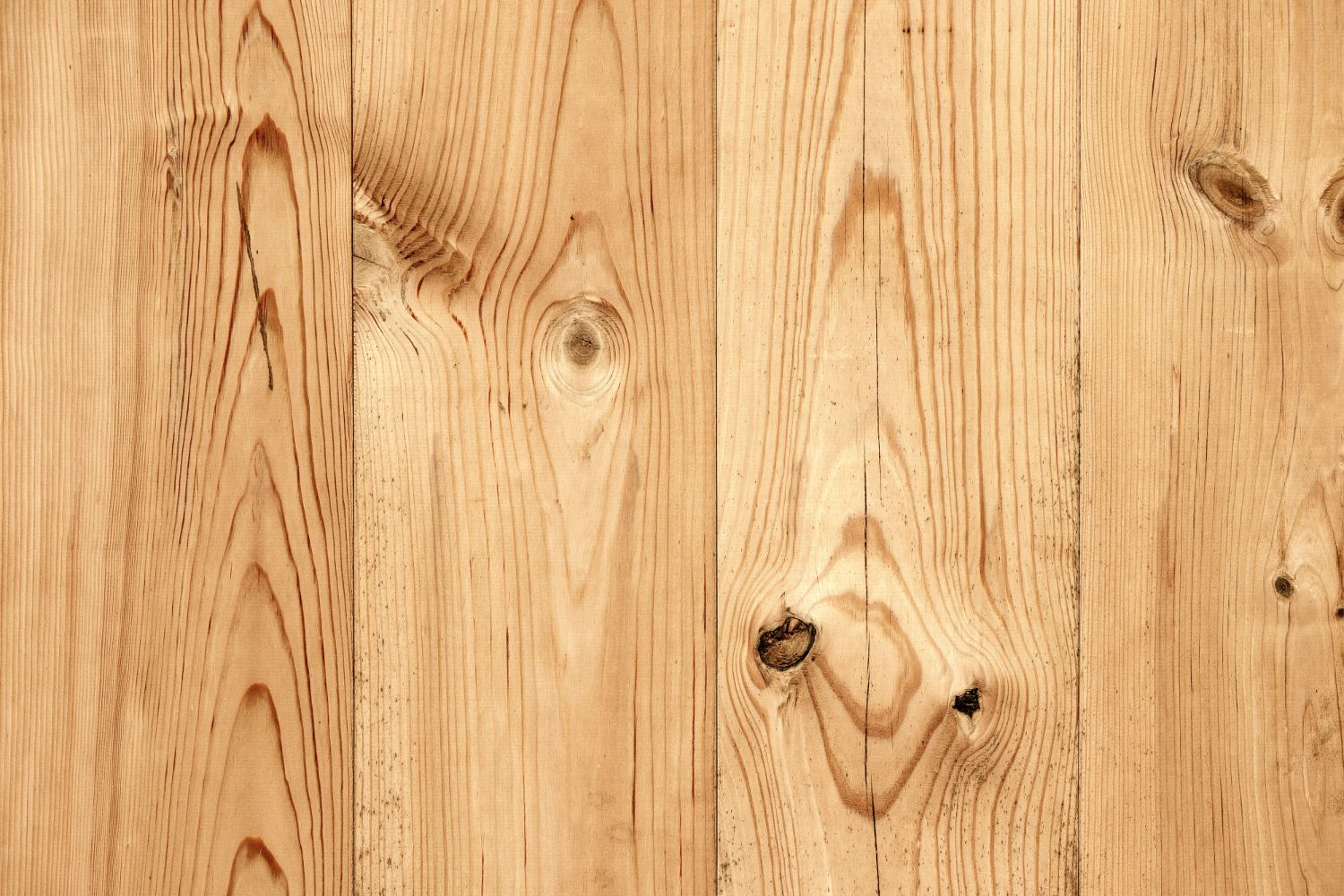 Pine has pronounced grain. The dense summer wood (dark bands) and soft spring wood (light bands) alternate across each board. During sanding, the soft spring wood wears away faster than the dense summer wood. This creates a rippled, washboard effect called raised grain.
The issue persists through the sanding process. You can sand a pine floor perfectly smooth, apply a coat of finish, and return the next morning to find that the grain has raised again. The water or solvent in the finish causes compressed wood fibres to swell back up.
Professionals address this by wetting the floor between sanding passes. A light mist of water raises the grain intentionally. After drying, a final light sanding cuts off the raised fibres. This extra step, which would be unnecessary on oak, produces the smooth finish that pine owners expect.
The Problem with Drum Sanders
Drum sanders are the standard tool for hardwood floors. They are heavy, aggressive, and efficient. On pine, they are often too much. A drum sander removes material quickly, but on softwood, "quickly" becomes "too fast to control." The machine wants to dig in and accelerate. An inexperienced operator will leave dips and hollows with every pass.
Professionals sanding pine often choose belt sanders or orbital sanders instead. These machines remove material more slowly and offer better control. For large areas, a multi-disc buffer with fine abrasives may be used. The goal is gradual, predictable material removal rather than aggressive stripping.
Grit Progression: Start Finer, Progress Slower
On oak, professionals might start with 24 or 36 grit paper to remove old finishes and level the floor. On pine, starting that coarse is a mistake. The softwood cannot withstand such aggressive abrasion. Instead, specialists begin with 40 or 50 grit and progress more gradually through the sequence.
A typical pine sanding sequence might be: 50, 80, 100, 120. Each grit removes the scratches left by the previous grit. Skipping a grit, which might work on hardwood, leaves visible scratches on pine. The final pass with 120 grit produces a surface smooth enough for finishing.
Filling and Patching Considerations
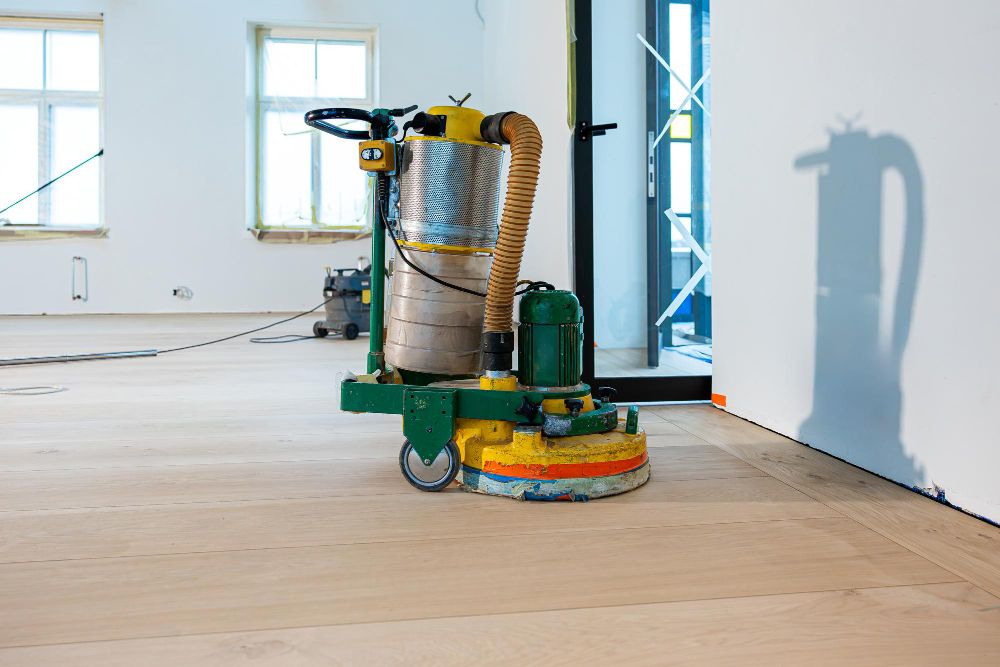 Pine floors often have gaps, cracks, and historic repairs. Filling these defects requires thought. Rigid fillers crack when the softwood expands and contracts seasonally. Flexible resin fillers work better but must be carefully colour-matched to pine, which ranges from pale cream to deep amber.
For knot holes and larger gaps, some professionals recommend leaving them open. Pine knots are character features, not defects. Trying to fill every imperfection often results in a floor that looks plastic rather than authentic.
The Stain Challenge
Staining pine is notoriously difficult. The wood absorbs stain unevenly, with soft spring wood soaking up more colour than dense summer wood. This creates a reversed, blotchy appearance that many homeowners dislike. The same chemical reaction that gives pine its character makes it unpredictable with stain.
Professionals have developed techniques to manage blotching. Using a wood conditioner before staining partially seals the most absorbent areas, promoting more even colour. Gel stains sit on the surface rather than penetrating deeply, reducing blotchiness. Some specialists skip stain entirely, finishing pine with clear oil or wax and allowing the wood's natural colour to shine.
When Pine Is Too Damaged
Some pine floors cannot be saved. If boards have been sanded too many times, they become thin, weak, and prone to cracking. If water damage has caused deep rot or black staining, replacement may be the only option. If woodworm has compromised the structural integrity, cutting out affected sections is necessary.
The good news is that damaged pine boards can often be replaced with reclaimed pine of similar age. This preserves the floor's character while restoring its strength. Many architectural salvage yards in London stock reclaimed pine from demolished Victorian and Edwardian buildings.
The Professional Difference
Sanding pine is not impossible. It is simply different. Professionals who understand pine do not fight its characteristics. They adapt to them. They use the right abrasives, the right machines, the right grit sequence, and the right finishing products. They know when to push and when to ease off.
For homeowners, the lesson is clear. Sanding a pine floor is not a DIY project for the inexperienced. The margin for error is small, and the cost of fixing mistakes is high. Hiring a specialist who understands pine saves money in the long run and produces a floor that honours the material rather than fighting it.
Pine floors have survived for over a century because they are resilient, beautiful, and full of character. With the right approach to sanding, they will survive another century.