
Why Cheap Floor Finishes Cost More in the Long Run
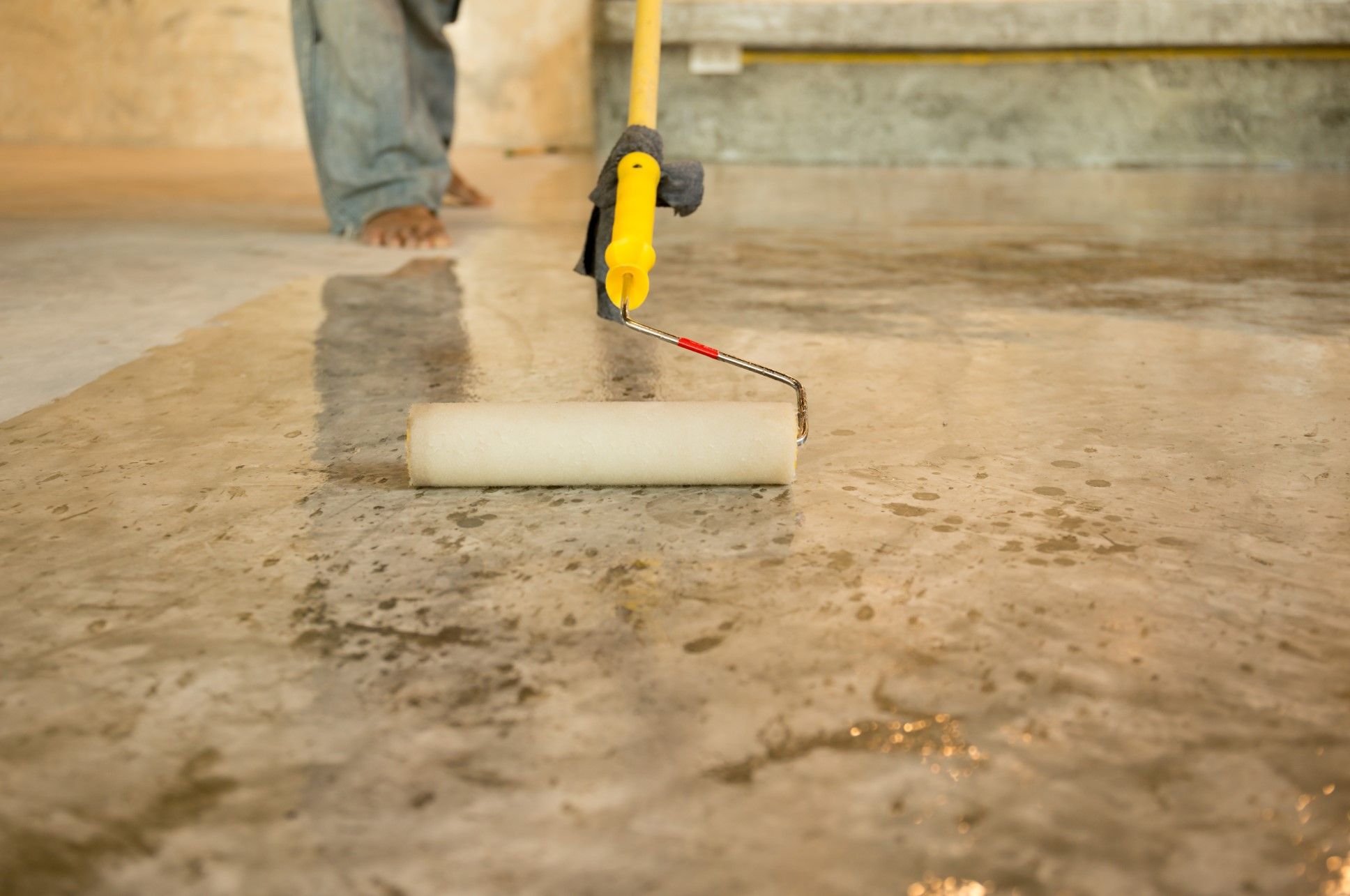
The moment you stand back and admire your newly sanded wooden floor is one of pure potential. The raw, open grain beckons for protection, for color, for a final layer that will define its character and durability for the next decade or more. At this critical juncture, the siren song of the budget-friendly finish is powerful. A fraction of the cost, promises of similar sheen and protection, and immediate savings that feel undeniably prudent. Yet, this decision is a classic economic trap, where the upfront discount masks a cycle of hidden costs, labor, and disappointment that will extract a far higher price over time. Choosing a cheap floor finish is a textbook example of being "penny wise and pound foolish."
The true cost of a floor finish is not measured in dollars per gallon, but in years per application. It is a calculation of longevity, resilience, and the preservation of your underlying investment—the wood itself. When you peel back the layers, the long-term economics overwhelmingly favor investing in a high-quality, professional-grade finish from the start.
The Anatomy of a Cheap Finish: What You're Actually Buying
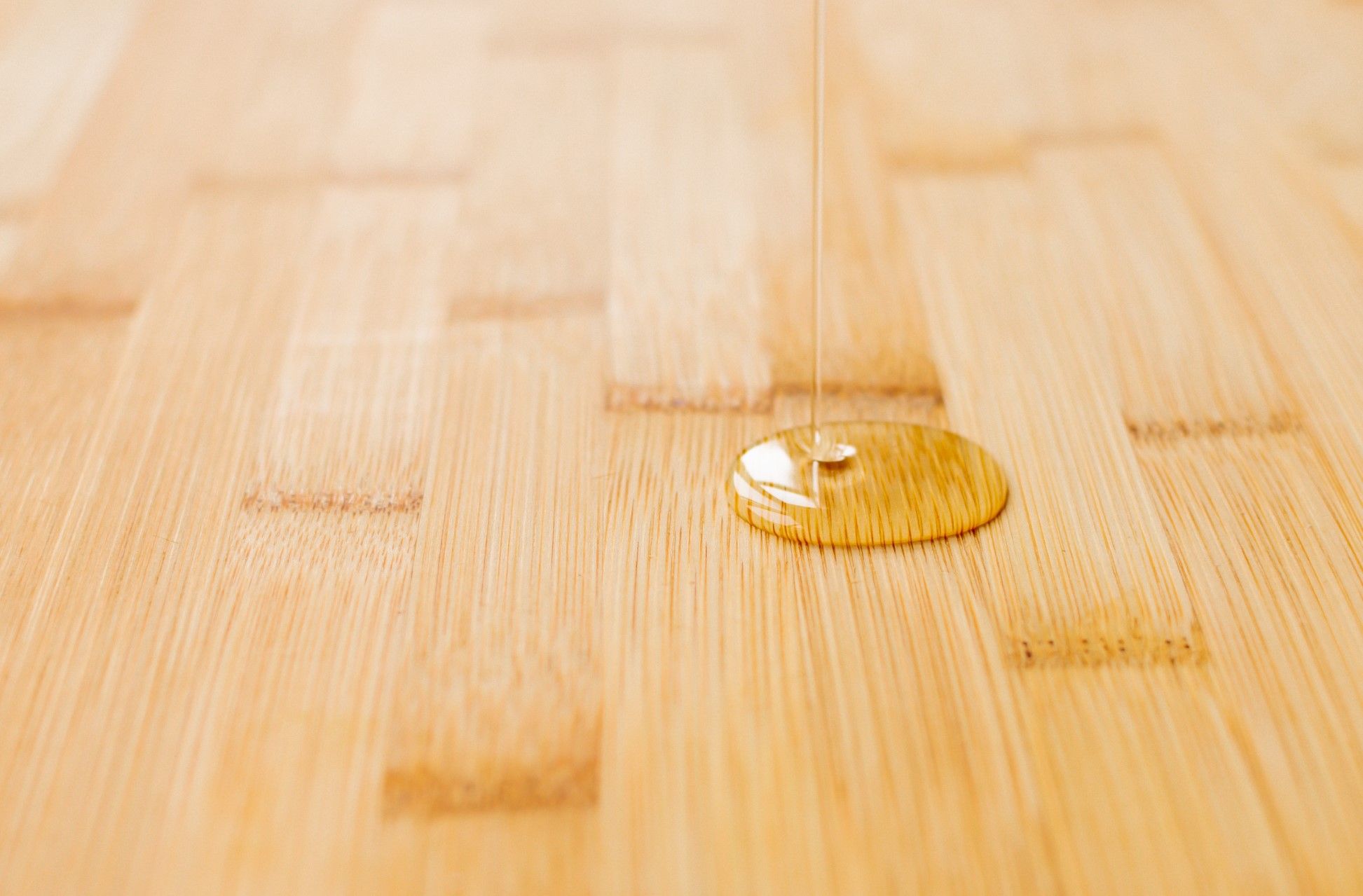
To understand the long-term penalty, one must first understand what is compromised to achieve a lower price point. Professional-grade finishes (like oil-based polyurethanes, advanced water-based ceramics, or hardwax oils) are engineered systems. Cheap, big-box store alternatives are often diluted commodities.
Key Compromises in Low-Cost Finishes:
- Low Solids Content: The "solids" are the particles that remain on the floor to form the actual protective film. Cheap finishes have high water or solvent content and low solid levels (sometimes as low as 20-30%). This means you are paying to evaporate 70% of the product into the air, leaving a dangerously thin film. Professional finishes can have solid contents of 40-50% or higher, building a durable layer with each coat.
- Inferior Resins and Additives: Quality finishes use premium resins (alkyd, polyurethane, acrylic hybrids) and include expensive additives for UV resistance, plasticizers for flexibility, and anti-slip agents. Budget finishes use basic, brittle resins that lack these protective enhancements.
- Poor Self-Leveling Properties: A good finish flows out smoothly, minimizing brush marks and creating an even surface. Cheap finishes can be sticky, prone to bubbles, and dry quickly with visible application trails, trapping imperfections.
The Long-Term Cost Multipliers: Where the "Savings" Vanish
The initial price gap closes rapidly once the finish is on the floor and real life begins. The failures of a cheap finish trigger a cascade of expenses.
The Accelerated Wear Cycle: Refinishing Comes Years Sooner
This is the most significant financial hit. A high-quality, properly applied polyurethane can last 10-15 years in a busy household. A cheap finish may show significant wear, clouding, and traffic patterns in 3-5 years. This effectively doubles or triples the frequency of professional refinishing—one of the most expensive home maintenance procedures. The math is brutal:
- Cheap Finish: $500 for materials/saving + $4,000 refinish job in Year 4 = $4,500 over 4 years.
- Quality Finish: $1,500 for professional materials/application + $4,000 refinish job in Year 12 = $5,500 over 12 years.
The "cheap" option costs more per year and subjects you to major disruption three times as often.
Compromised Protection: The Risk to Your Core Asset
The floor's finish is a sacrificial layer. Its primary job is to take the abuse so the wood doesn't have to. A thin, brittle film fails at this mission.
- Water and Stain Intrusion: Poor sealing leads to water spotting, dark stains, and white rings from glasses. These often penetrate through to the wood, requiring local sanding and repair—impossible without creating a visible "patch" in the finish.
- Inability to Hold Up to Cleaning: Cheap finishes degrade faster under routine cleaning, becoming dull and porous. This can trap dirt, making the floor look perpetually grimy and accelerating the need for a full sanding.
Aesthetic Degradation: The Loss of Beauty and Joy
Your floor is a centerpiece. A cheap finish fades, yellows excessively (or lacks UV inhibitors), and becomes cloudy or scratched long before its time. Instead of a source of pride, it becomes a constant reminder of a poor investment, negatively impacting your home's ambiance and potentially its appraisal value. The cost here is emotional and financial.
The Professional Labor Paradox
If a cheap finish is applied by a professional, you are paying high labor rates (often $3-$5+ per square foot) to apply an inferior product. This is the worst value proposition. A reputable contractor will often refuse to use client-supplied cheap finishes because they know it will lead to callbacks and damage their reputation. The finish is not where to save when skilled labor is involved.
The Smart Investment Framework: Spending Wisely on Your Finish
View the finish not as a line-item cost, but as an insurance policy for your floor. When selecting, follow this framework.
Prioritize Performance Specifications Over Brand Hype
Ask about or look for:
- Solids Content: Higher is better.
- Abrasion Resistance: Measured in "Taber cycles" (e.g., 10,000+ cycles for commercial grade).
- UV Resistance: Critical for floors near sunlit areas.
- Warranty: Professional products often come with specific wear warranties.
Match the Finish to the Floor's Destiny:
- High-Traffic & Families: Prioritize high-solids, aluminum oxide- or ceramic-fortified finishes (e.g., Bona Traffic, Loba 2K Supra). Their hardness is unmatched.
- Historic Floors or Character Woods: Consider penetrating hardwax oils (e.g., Rubio Monocoat, Osmo). They offer easier spot repairs and a more natural look, though they require more maintenance.
- Quick Turnaround & Low VOC: Modern high-end water-based polyurethanes offer excellent clarity and fast dry times without the strong odor.
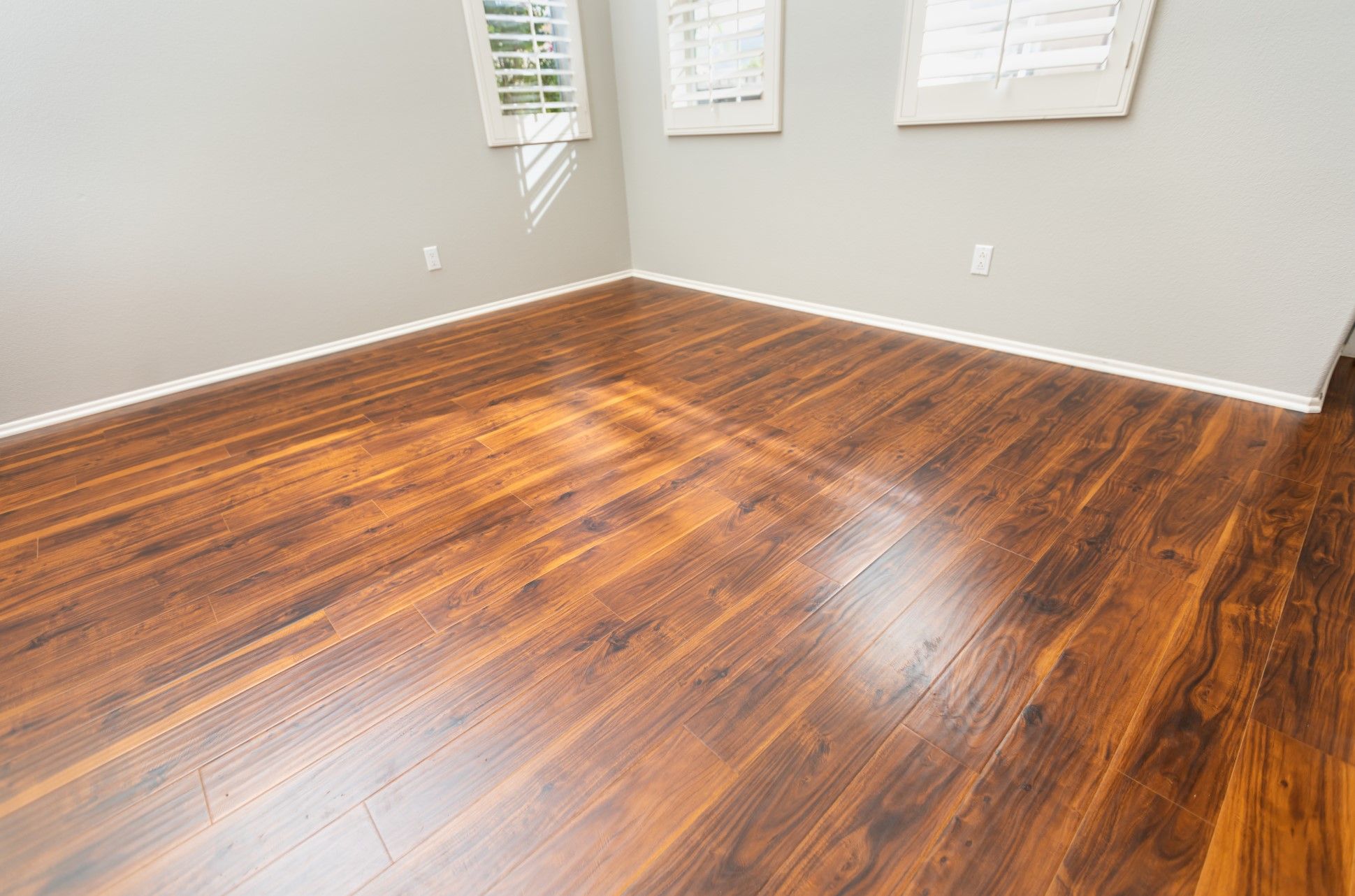
Respect the System
The finest finish is only as good as its application. This includes:
- Ideal Environmental Conditions: Temperature and humidity control during application.
- Proper Sanding Grit Sequencing: The finish bonds to the sanded surface; any skip in grits weakens adhesion.
- Recommended Number of Coats: Never skip the final coat to "save" material.
The Ultimate Equation
The initial invoice for a premium finish may cause a moment of hesitation. Counter that instinct with the long-term equation:
- (Cost of Quality Finish + Professional Application) / Years of Flawless Service = Low Annual Cost, Lasting Satisfaction.
Versus:
- (Cost of Cheap Finish + Labor + Early Refinishing + Repair Costs) / Few Years of Disappointing Service = High Annual Cost, Frustration, and Depreciation.
In the end, the floor beneath the finish is a substantial investment of both materials and craftsmanship. To protect that core asset with anything less than the best defense is a false economy. The true luxury of a wooden floor is not just its appearance on day one, but its ability to remain beautiful, resilient, and proud for years to come. That is a value no cheap finish can deliver.