
Should You Stain or Paint Your Floorboards? Pros, Cons & Visual Impact

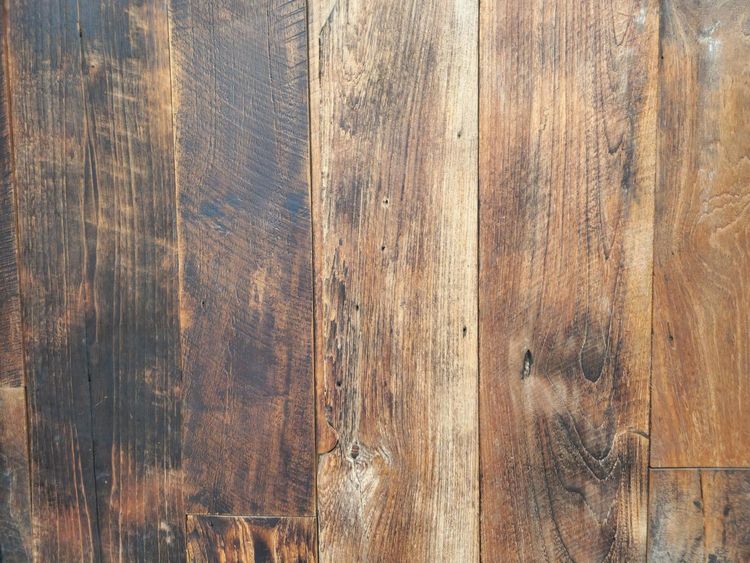
The exposed floorboard, once hidden under carpet, is a coveted feature. But the raw wood you uncover isn’t always perfect pine or elegant oak. It might be a patchwork of different woods, bear stubborn stain marks, or simply not match your envisioned aesthetic. This is where the transformative power of stain or paint comes in. Both offer a path to beauty, but they lead to dramatically different destinations.
Choosing between staining and painting is more than a color selection; it’s a fundamental decision about your floor’s character, maintenance, and future. Will you enhance the wood’s natural narrative or give it a bold, new story? This decision hinges on the condition of your boards, the room’s function, your style, and how much future wear you anticipate. Understanding the process and long-term implications of each is key to a result you’ll love for years.
Why Consider Staining or Painting?
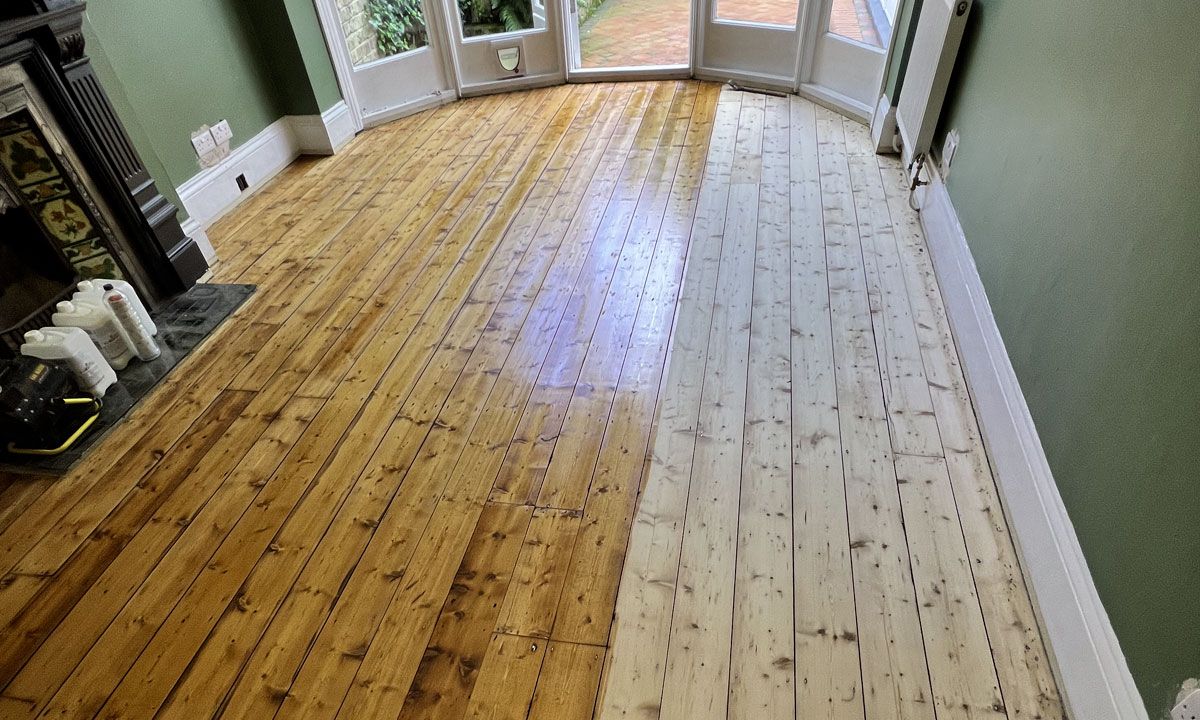
Uncovering floorboards can feel like striking gold, but reality often includes gaps, nails, and uneven tones. Staining or painting solves these practical issues while delivering a powerful style statement.
Staining is the choice for those who love the organic texture and grain of wood but desire a different color or more uniformity. A stain penetrates the wood, altering its hue while celebrating its inherent patterns. It’s ideal for harmonizing mismatched planks or updating warm oak to a cooler, modern gray or deep ebony without hiding wood’s soul.
Painting is a cover-up in the best sense. It creates a solid, opaque surface perfect for concealing flaws, blending different wood species seamlessly, or injecting major color personality. It transforms the floor into a design canvas—think crisp white for a coastal vibe, moody charcoal for drama, or pastel for a playful touch. It’s a stylistic reset that prioritizes color and uniformity over wood’s natural character.
The Staining Process: Enhancing Nature
Staining is a multi-step process that requires preparation and precision.
- Preparation: This is 80% of the work. Floors must be completely sanded to bare, raw wood to remove old finishes and ensure even stain absorption. This is dusty, intensive labor.
- Cleaning: Every speck of sanding dust is meticulously vacuumed and tack-cloth wiped away. Any residue will block the stain.
- Application: The stain is applied with a brush, rag, or applicator pad, working in small sections along the wood grain.
- Wiping: After a few minutes (per manufacturer instructions), excess stain is wiped off. The longer it sits, the deeper the color.
- Sealing: Once dry, 2-3 coats of a protective clear finish (polyurethane, oil, or lacquer) are essential to protect the stained wood from wear and moisture.
The Painting Process: Creating a Canvas
Painting is also labor-intensive but can be more forgiving of imperfect surfaces.
- Preparation: Sanding is still crucial, but the goal is to degloss and roughen the surface for paint adhesion, not necessarily strip to raw wood. All gaps should be filled.
- Cleaning & Priming: After cleaning, a bonding primer is non-negotiable. It seals the wood, prevents tannin bleed-through, and provides a perfect base for paint adhesion.
- Application: Use a high-quality floor or porch enamel. Apply with a brush for edges and a roller for the field. Multiple thin coats are better than one thick one.
- Drying & Curing: Allow ample drying time between coats. Full curing (hardening) can take days or even weeks. Avoid heavy traffic during this period.
Pros and Cons at a Glance
Staining:
- Pros: Highlights wood grain and texture; generally more natural and timeless; can be easier to touch up and refinish in the future; often feels more premium.
- Cons: Reveals every flaw—requires near-perfect sanding; less effective at unifying different woods; color options are limited to wood tones; can be darkened only, not lightened.
Painting:
- Pros: Excellent at hiding imperfections and mismatched boards; unlimited color freedom for bold design statements; can brighten dark rooms dramatically; often has a more casual, cottage-inspired feel.
- Cons: Hides the wood character completely; shows scuffs, chips, and wear more visibly; more challenging to repair seamlessly; can feel cold underfoot; complete removal is difficult.
Conclusion
Your choice between stain and paint ultimately reflects your design philosophy and practical needs. Choose stain if you revere the natural beauty of wood, seek a classic or organic look, and have floors in decent condition. It’s an investment in enhancing the material’s intrinsic qualities.
Choose paint if you view the floor as a unified backdrop for your decor, need to camouflage problem floors, or crave a dose of bold, personality-driven color. It’s a powerful tool for transformation and light.
Consider the room’s traffic: high-gloss painted halls may show every scuff, while a stained, matte-finish oak floor in a living room can age gracefully. There’s no universally correct answer, only the right choice for your floor, your home, and your vision. Whichever path you take, with proper preparation and quality products, you can turn your floorboards into a foundational element of your home’s character for years to come.