
Restoring Victorian Floorboards: What Makes Them Unique?
Walk into any Victorian terraced house in London, and one of the first things you notice is the floor. Not because it is perfect, but because it is full of character. The wide, uneven planks. The dark stain that has worn lighter near the fireplace. The satisfying creak that announces every footstep. These floors have witnessed generations of life—children learning to walk, Sunday dinners, midnight conversations. They are not just functional surfaces. They are living history. But restoring Victorian floorboards is not the same as working with modern timber. These boards are fundamentally different in ways that matter to anyone planning a restoration. This article explores what makes Victorian floorboards unique, the challenges they present, and the specialised approach required to restore them properly.
The Origins of Victorian Floorboards
Victorian floorboards were never meant to be seen. In the 19th century, wooden floors were considered functional subflooring, not finished surfaces. Homeowners covered them with wall-to-wall carpets, leaving only a border of polished wood visible around the edges. This explains why Victorian boards are often softwood—typically pine or deal (a type of softwood) rather than hardwood. Builders chose softwood because it was affordable, readily available, and perfectly adequate as a base for carpet.
The boards were laid green, meaning unseasoned or only partially dried. As the wood aged over decades, it shrank, twisted, and settled into place. This movement created the characteristic gaps, slight slopes, and uneven surfaces that define period floors today. What some see as imperfections, others recognise as authentic character that cannot be replicated.
How Victorian Boards Differ from Modern Wood
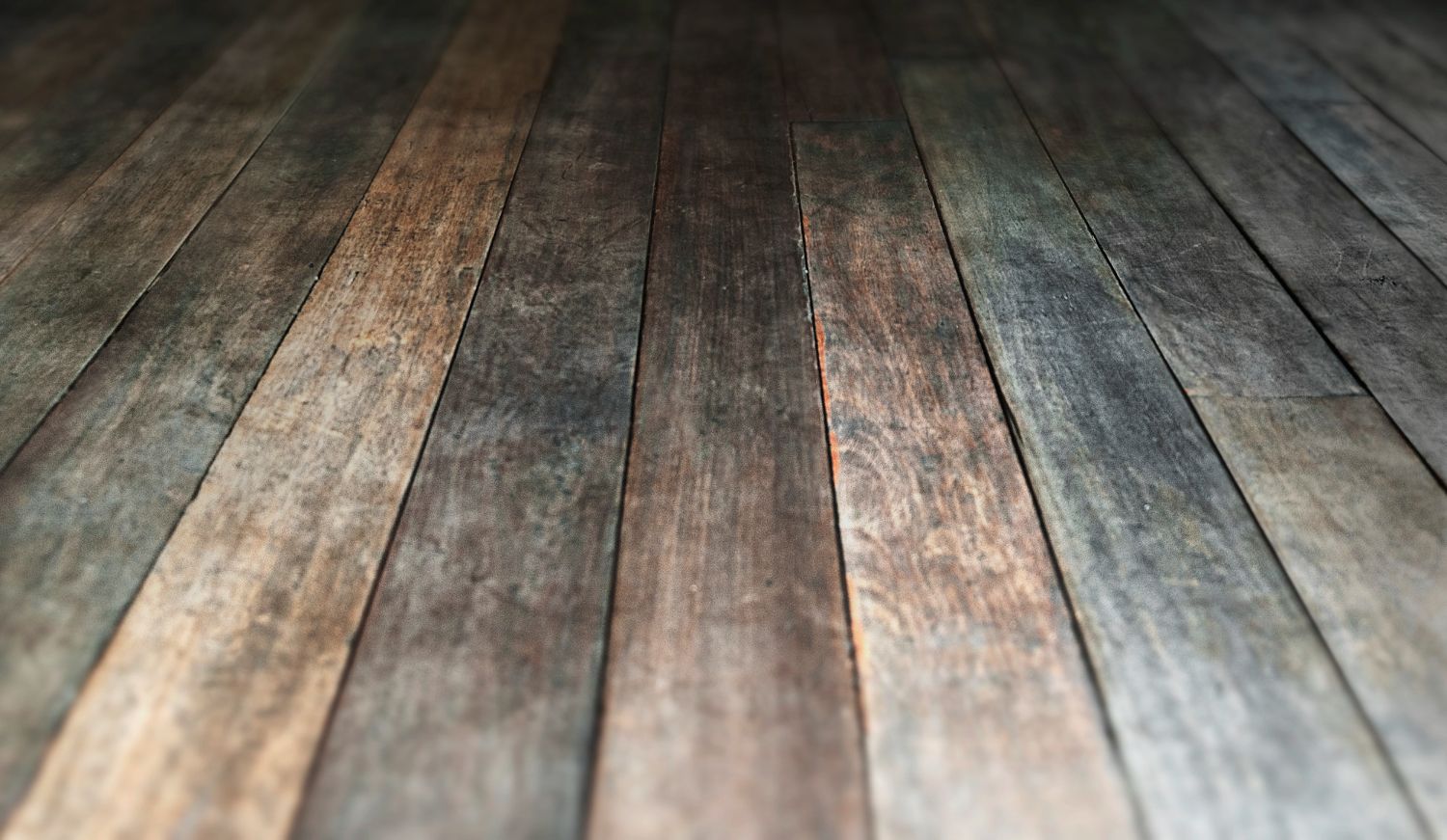
Several key differences set Victorian floorboards apart from contemporary timber:
- Softwood composition: Most Victorian floors are pine of deal, which is significantly softer than modern hardwoods like oak. This softness means they dent and scratch more easily but also sand more readily.
- Narrower planks: Typical Victorian boards measure 3 to 5 inches wide, unlike modern planks that often reach 7 inches or more.
- Random lengths: Boards were cut to fit the room rather than pre-milled to uniform lengths, creating a more organic appearance.
- Hand-driven nails: Original floors used square-cut, hand-driven nails that often rust and rise over time, requiring careful attention.
- Natural variations: Knots, waney edges, and colour variations were accepted as normal features, not defects.
The Hidden History Beneath the Surface
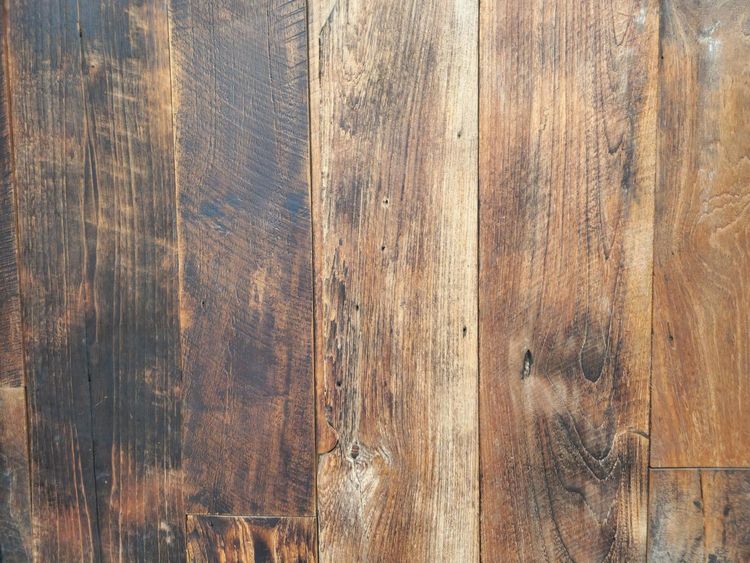
One of the most rewarding aspects of restoring Victorian floorboards is discovering what lies beneath. Layers of old wax, stain, and polish have built up over 150 years, creating a dark, rich patina that cannot be artificially reproduced. Under carpets, you might find painted boards—many Victorians painted their floors around the edges where carpet did not cover. Under paint, you often find evidence of the original finish, typically a dark walnut or mahogany stain that was fashionable at the time.
You may also discover repairs and alterations. Boards cut to access plumbing. Patches where a previous owner replaced damaged sections. Nail holes from old carpet grippers. Each mark tells a story about the floor's journey through time.
Woodworm: The Victorian Floor's Old Enemy
Victorian pine floors are particularly vulnerable to woodworm. The Common Furniture Beetle loves softwood, and many original floors have experienced infestations at some point in their long lives. You might see small, round holes scattered across the surface. Some are historic, representing old, inactive infestations. Others may be active, with fine dust (frass) falling from the holes.
Restoring a Victorian floor requires careful woodworm assessment. Active infestations must be treated before sanding begins. Historic holes can be left as character or filled, depending on your preference. A skilled restoration specialist will identify the difference and recommend appropriate action.
The Restoration Process for Victorian Boards
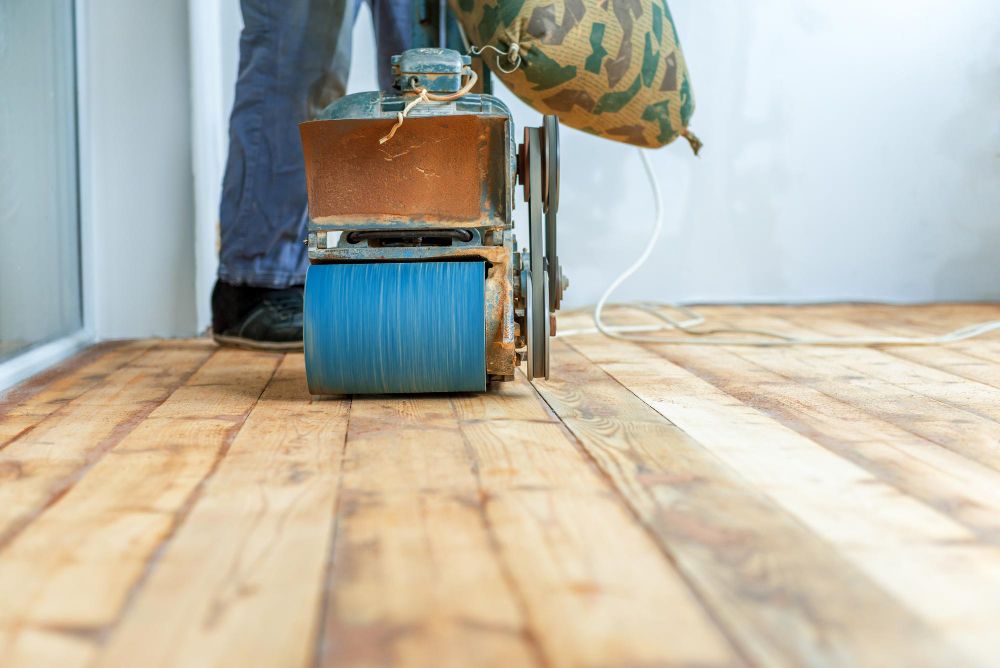
Restoring Victorian floorboards requires a different approach than sanding modern hardwood.
Assessment Before Sanding
The process begins with a thorough assessment. A specialist checks for loose boards, rising nails, woodworm activity, rot, and the thickness of the board above the tongue and groove. This assessment determines how aggressively the floor can be sanded.
Sanding with Care
Victorian pine sands relatively easily, which is both an advantage and a risk. It responds well to sanding, revealing fresh wood quickly. However, over-sanding can remove too much material, compromising the tongue-and-groove joints. Professionals use a progressive grit sequence, starting coarse enough to remove old finishes but switching to finer grits sooner than they would with hardwood.
Addressing Gaps
Gaps between Victorian boards are inevitable and part of the floor's character. Some homeowners choose to leave them. Others prefer to fill them with flexible resin that moves with seasonal expansion. Inserting timber strips into the largest gaps creates a seamless appearance but requires significant skill.
Nail Punching
Rising nail heads are common in Victorian floors. Each nail must be punched below the surface using a nail punch and hammer before sanding begins. Failing to do this damages sanding belts and creates an uneven finish.
Staining and Finishing
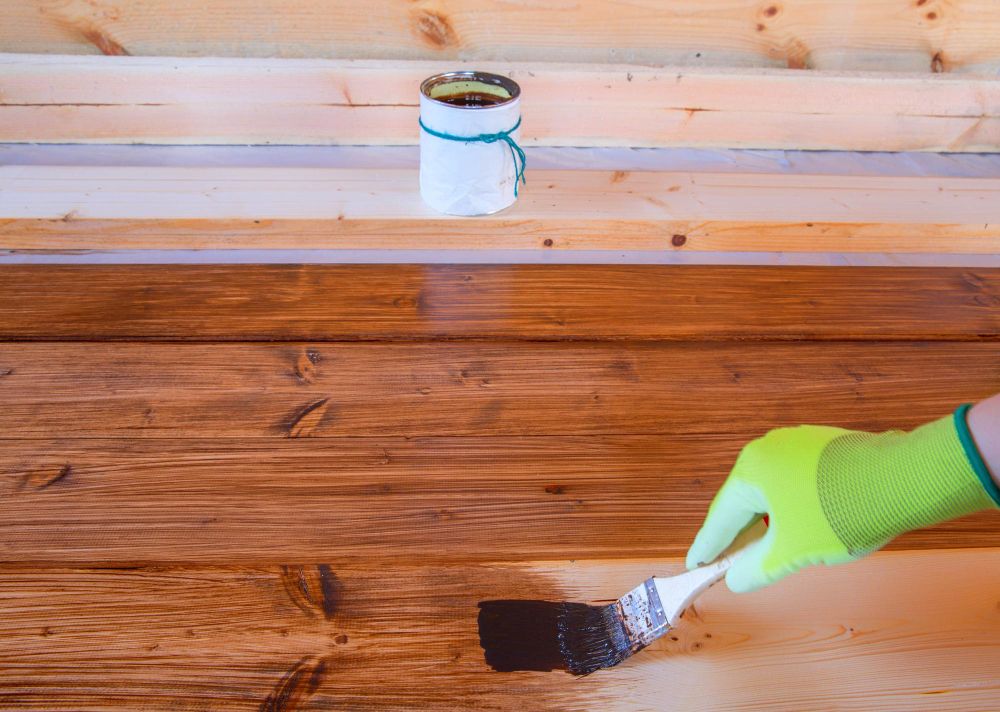
Victorian floors were traditionally stained dark—walnut, mahogany, or oak shades were fashionable. Modern restorers can replicate these dark tones or choose lighter, more contemporary finishes. Hard wax oils have become popular because they penetrate the softwood and provide durability while maintaining a natural, breathable finish.
Common Mistakes When Restoring Victorian Floors
Many well-intentioned DIY attempts ruin Victorian floorboards. Avoid these errors:
- Over-sanding to achieve a perfectly flat surface, which thins boards unnecessarily
- Filling gaps with rigid fillers that crack when boards move seasonally
- Using modern high-gloss finishes that look out of place in period properties
- Sanding through the tongue and groove, weakening the floor's structure
- Ignoring woodworm treatment, allowing infestation to spread
When Restoration Is Not Enough
Sometimes Victorian floorboards are beyond restoration. Severe rot, extensive woodworm damage that has compromised structural integrity, or boards that have been sanded too many times by previous owners may require replacement. In these cases, sourcing reclaimed Victorian pine from architectural salvage yards provides the best match. New timber will look obviously new, while reclaimed boards carry the patina, nail holes, and character of the period.
The Value of Professional Restoration
Victorian floorboards deserve respect. They have survived for over a century, and with proper care, they will survive another. Professional restoration specialists understand the unique characteristics of period softwood. They know how hard to push the sander, when to stop, and which finishes will honour the floor's history while providing modern durability. For homeowners lucky enough to have original Victorian boards, investing in professional restoration preserves not just a floor but a piece of London's architectural heritage.