
Best Wooden Flooring Options for Hackney Homes (Period & Modern)
Hackney is a borough of contrasts. Victorian terraces with brick facades and sash windows sit alongside sleek new developments rising from former industrial sites. This architectural diversity presents a unique challenge: how to choose wooden flooring that suits both practical needs and the character of your property. A floor that feels at home in a converted warehouse may look out of place in a Victorian townhouse. Conversely, traditional oak boards may feel too formal in a minimalist new-build apartment. This article compares the best wooden flooring options for Hackney’s period properties and modern apartments, focusing on durability, aesthetics, and architectural compatibility.
Understanding Hackney’s Architectural Divide
Period properties and modern homes demand different approaches. Victorian and Georgian homes were built with solidity in mind. Original floors were typically softwood—pine or deal—laid in narrow planks, often stained dark. These floors were meant to age, developing patina over decades. Flooring in these homes should complement original features like cornices and fireplaces.
Modern apartments tell a different story. Many occupy converted warehouses or purpose-built developments where the aesthetic is clean and industrial. Concrete ceilings, exposed ductwork, and large glass expanses define these spaces. Flooring needs to work with this aesthetic—often favoring wider planks and lighter tones. Modern apartments also sit on concrete slabs, affecting installation methods and acoustic requirements.
Flooring for Period Properties
Solid Wood
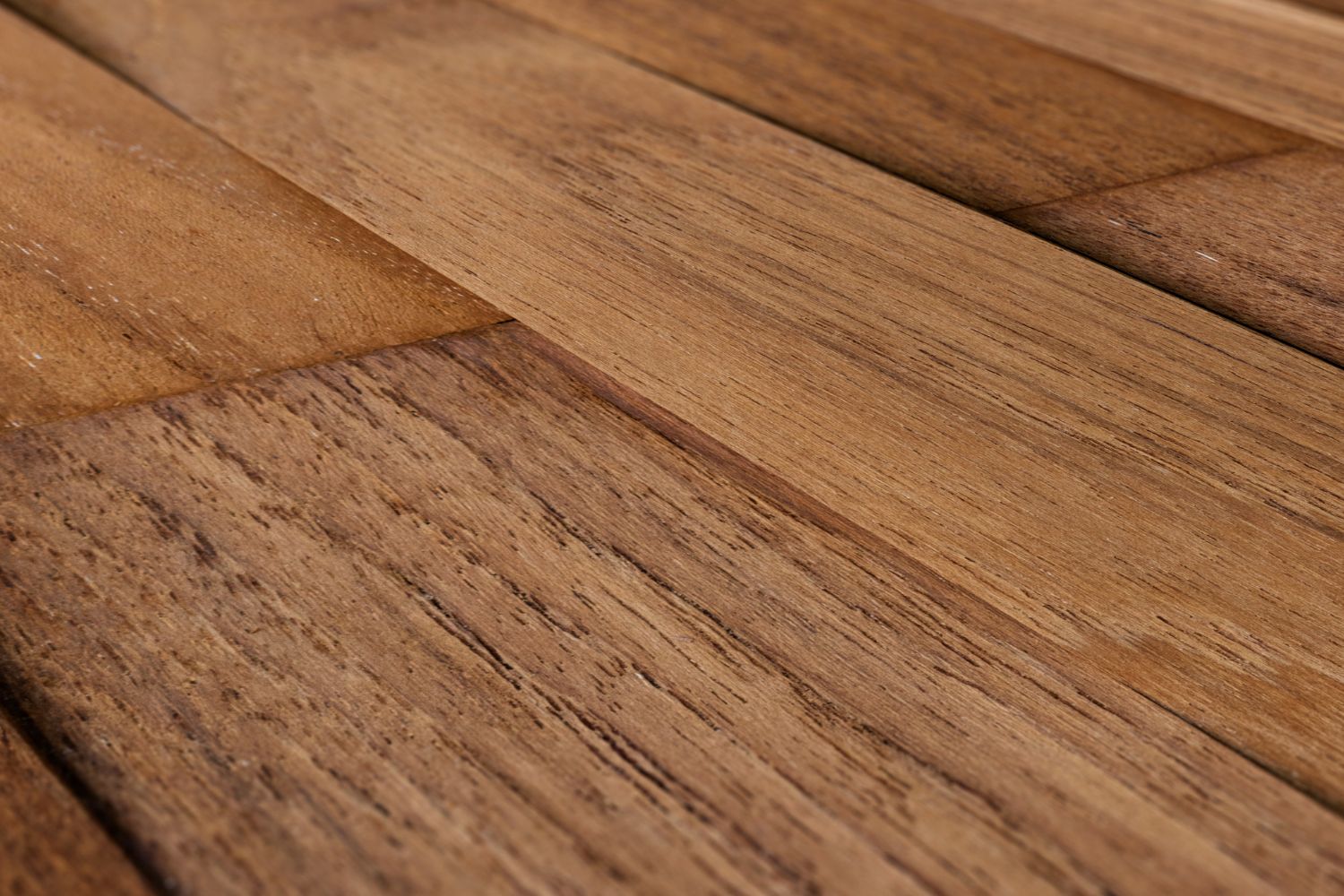
Solid wood flooring remains the most authentic choice for period properties. Original Victorian floors were solid timber, and continuing that tradition preserves architectural integrity. Softwoods like pine were historically common, but modern homeowners often prefer hardwoods for durability. Oak offers historical plausibility with superior wear resistance. Narrow boards (3 to 5 inches) create a floor that reads as traditional and substantial. Solid wood also allows for future sanding and refinishing.
Reclaimed Timber
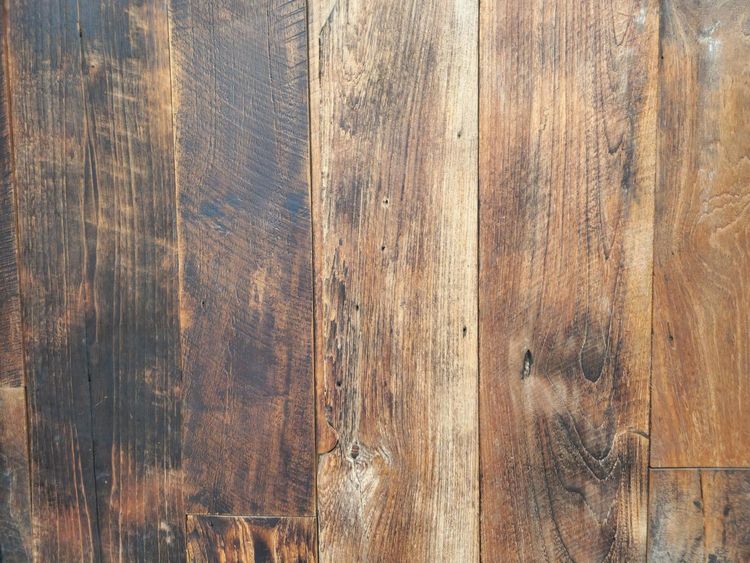
For those restoring original floors, salvaged or reclaimed timber offers unmatched character. Reclaimed pine boards from similar period properties carry the patina, nail holes, and subtle imperfections that new wood cannot replicate. Using reclaimed timber maintains historical continuity while avoiding the environmental cost of new lumber. Several specialist suppliers in East London focus on architectural salvage.
Engineered Wood
Engineered wood presents a practical alternative where modern requirements intervene. Many Victorian homes now incorporate underfloor heating, which solid wood cannot accommodate reliably. Engineered wood’s layered construction handles temperature fluctuations without warping. The key is selecting boards with a thick top veneer (4mm or more) so the floor retains the ability to be sanded. Hand-scraped finishes and matte lacquers help engineered wood mimic aged solid timber.
Flooring for Modern Apartments
Engineered Wood
Engineered wood emerges as the standout choice for modern apartments. Its dimensional stability makes it ideal for installation over concrete slabs. Wide planks (7 to 8 inches) and extended lengths align with the expansive feel of contemporary interiors. European oak in natural oils, smoked tones, or white-washed treatments complements the light-filled quality of warehouse conversions. Engineered wood also accommodates underfloor heating.
Smoked and Charred Finishes
For homeowners seeking an industrial aesthetic, smoked or charred oak offers visual interest that bridges raw and refined. These finishes highlight the wood’s natural grain while introducing depth that resonates with exposed brick and steel. Brushed finishes emphasizing texture work particularly well, adding richness without overwhelming clean lines.
Luxury Vinyl Plank
Luxury vinyl plank, while not wood, merits consideration where moisture resistance takes priority. High-end LVP products convincingly replicate wood grain while offering waterproof construction. For open-plan layouts where flooring runs continuously from living spaces into kitchens, LVP provides a seamless solution. Acoustic underlayments can be incorporated to meet building sound insulation requirements.
Parquet
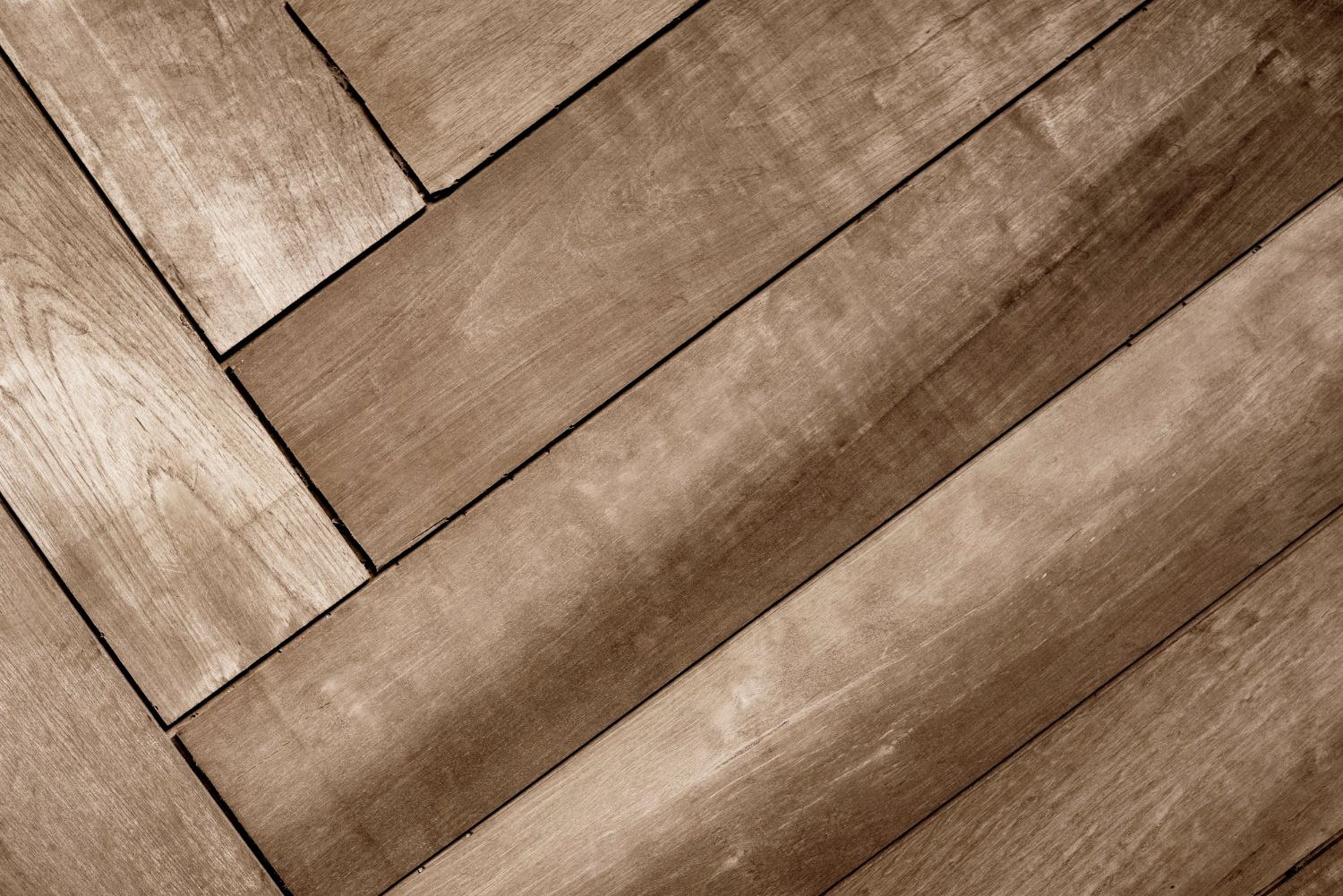
Parquet has seen a resurgence in modern apartments. Herringbone and chevron patterns, traditionally associated with grand period homes, are being reinterpreted using lighter wood species, matte finishes, and wider modules. In engineered construction, parquet adds visual anchor and sophistication to open spaces.
Comparing Durability
Solid Hardwood
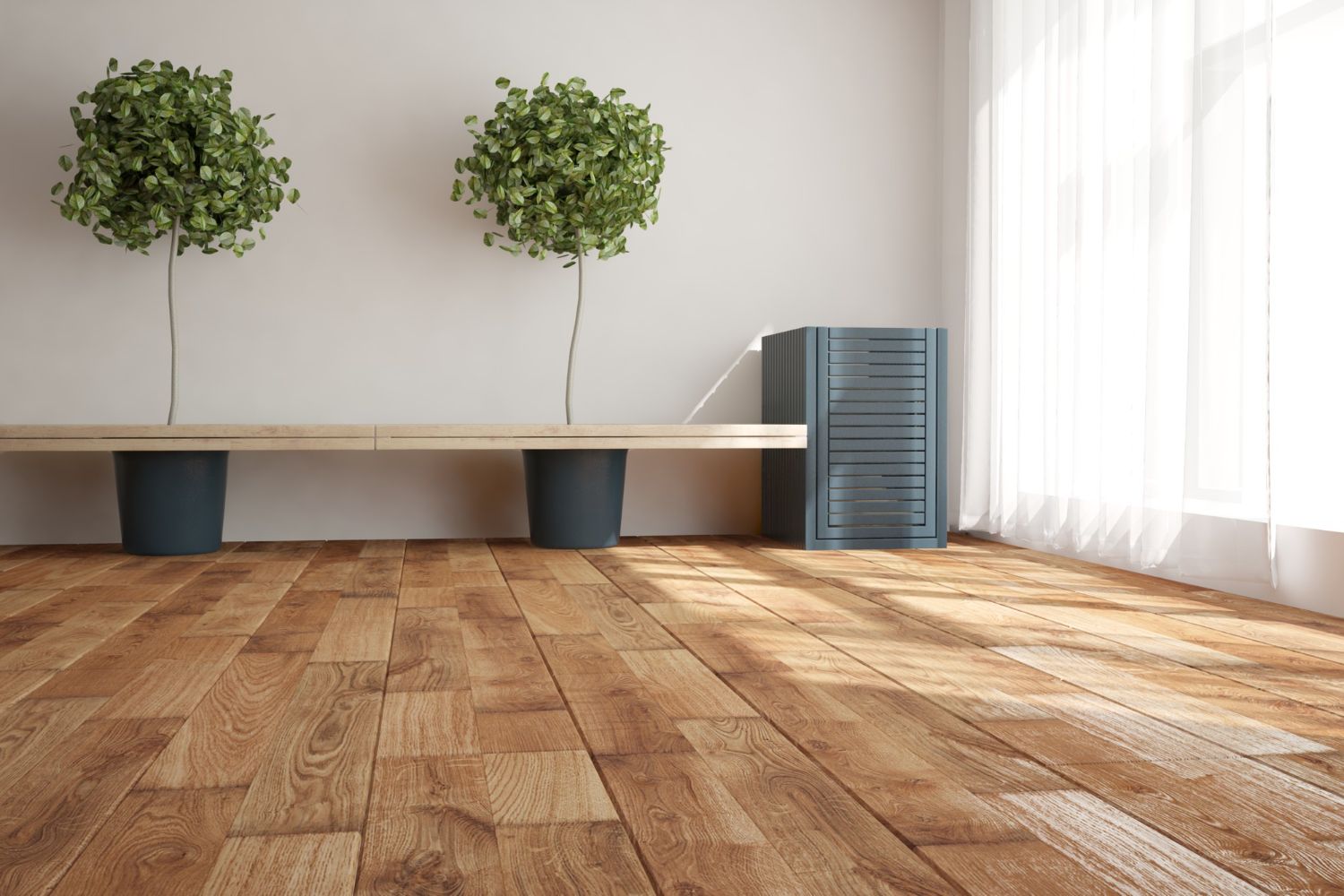
Solid hardwood offers excellent durability but requires protection in high-moisture areas. In period properties, this means specifying hardwood for reception rooms while considering alternatives for kitchens. With proper maintenance, solid oak floors can last over a century with periodic refinishing.
Engineered Wood
Engineered wood with commercial-grade finishes matches or exceeds the durability of solid wood while offering better moisture resistance. Factory-applied finishes provide protection against scratches and spills that traditional site-applied finishes struggle to match. This makes engineered wood suitable for open-plan apartments where flooring must perform across different zones.
Luxury Vinyl Plank
LVP offers the highest durability for demanding areas. Its wear layer protects against scratches, stains, and moisture. For homeowners prioritizing longevity over material authenticity, particularly in rental properties, LVP represents a compelling option.
Installation Considerations
Period Properties
Victorian and Georgian homes typically sit on suspended timber floors. This construction allows for nail-down installation of solid wood. However, suspended floors can be prone to drafts and moisture from below, so proper insulation and vapor barriers should be considered. For engineered wood, floating or glue-down installation over underlayment can improve thermal performance.
Modern Apartments
Modern apartments almost always feature concrete slab construction. Solid wood cannot be nailed down over concrete, so floating or glue-down installation of engineered wood or LVP becomes necessary. Floating floors offer easier installation and the ability to incorporate acoustic underlayments to meet building sound insulation requirements.
Acoustic Performance
Acoustic performance matters in multi-unit buildings. Period properties converted into flats, as well as purpose-built modern apartments, require flooring that minimizes impact noise transmission. Engineered wood installed over acoustic underlayments meets most requirements. Solid wood, without underlayment, tends to transmit more noise.
Cost and Value
For period properties, preserving or restoring original flooring adds historical character and market appeal. When original floors are beyond salvage, investing in quality solid or engineered oak pays dividends in both aesthetics and durability. Reclaimed timber carries a premium but adds authenticity that new wood cannot match.
For modern apartments, the value proposition centers on durability and low maintenance. Engineered wood with a thick wear layer offers the best balance of appeal and performance. LVP provides a lower-cost alternative suitable for rental properties or owners prioritizing function.
Conclusion
Choosing wooden flooring for a Hackney home requires balancing architectural heritage with modern practicalities. Victorian and Georgian properties reward choices that honor tradition—solid oak in appropriate widths, reclaimed pine for authenticity, or engineered wood with period-appropriate finishes when modern requirements intervene. Modern apartments embrace engineered wood’s stability and design flexibility, with wide planks and smoked finishes that complement industrial and contemporary aesthetics. A floor that acknowledges its setting becomes more than a surface—it becomes part of the home’s story.